“Art is not a mirror held up to reality, but a hammer with which to shape it.”
— A general reflection on the power and purpose of art, relevant to the book's themes.

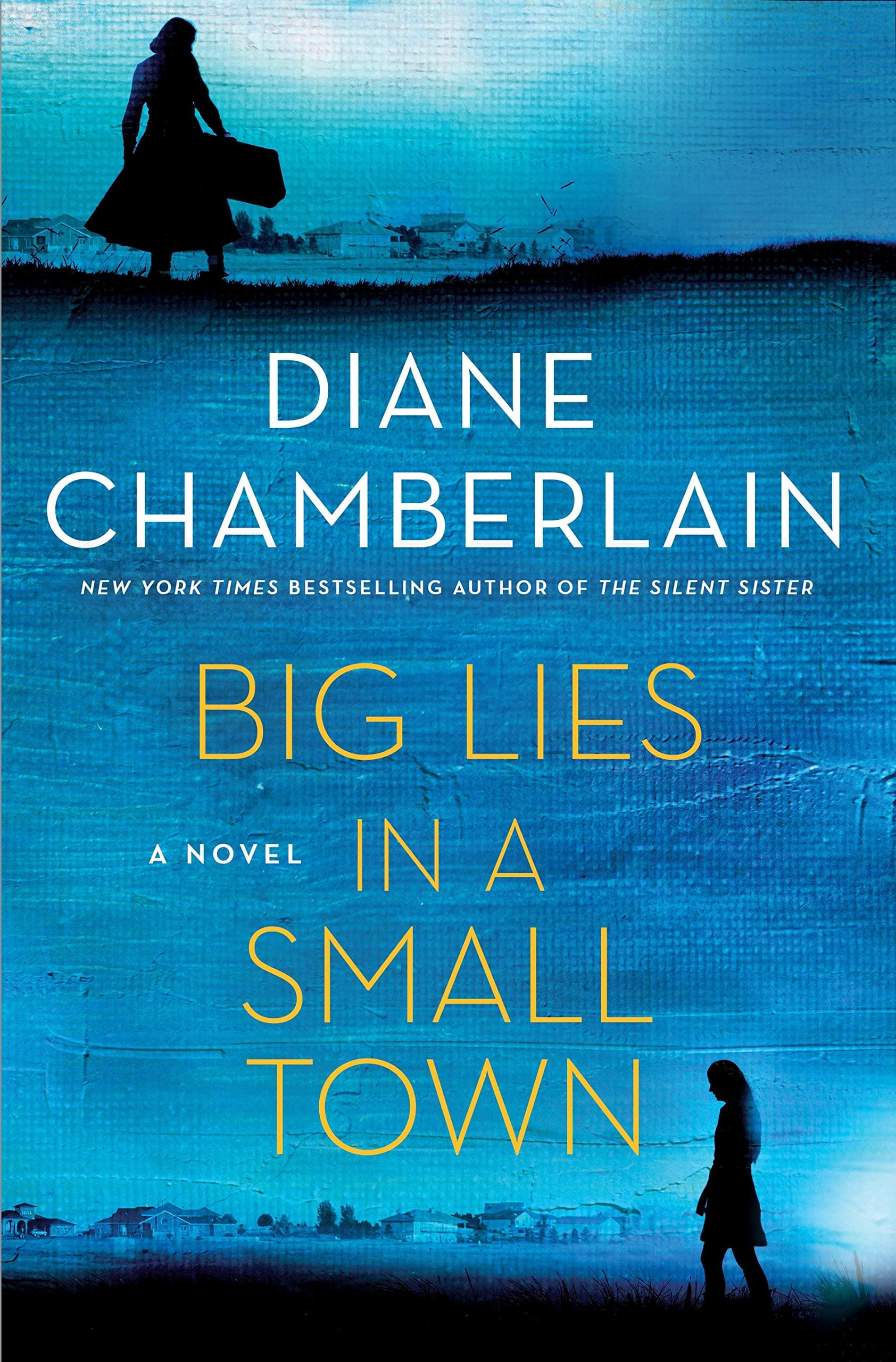
Diane Chamberlain (2020)
Genre
Thriller / Historical Fiction / Creativity / Mystery
Reading Time
9-10 hours
Key Themes
See below
Sign in to track this book
A wrongly imprisoned artist in 2018 uncovers a 1940s small-town murder and conspiracy hidden within a decaying post office mural, risking her freedom to expose the truth.
In 2018, Morgan Christopher is serving a three-year sentence at the North Carolina Women's Correctional Center for a crime her boyfriend, Marcus, committed. Her artistic aspirations are on hold until Jesse Jameson, an attorney representing prominent art collector Jesse Jameson V, visits her. Jameson V, terminally ill, owns a historic post office in Edenton, North Carolina. His will states that Morgan, and only Morgan, must restore a WPA-era mural inside it to inherit his vast estate. Despite no experience in art restoration and being puzzled by the offer, Morgan, desperate for freedom, accepts the unusual condition, leading to her immediate release.
In 1940, Anna Dale, a talented but naive artist from New Jersey, wins a national competition to paint a mural for the Edenton, North Carolina post office. Unaware of the town's conservative nature and deep-seated racial prejudices, Anna arrives with her modern ideas. Locals view her with a mix of curiosity and suspicion, especially the prominent Bellamy family. Anna is determined to create a mural that truly reflects the town but soon navigates a complex web of social expectations and hidden tensions.
Upon arriving in Edenton in 2018, Morgan finds the old post office and the mural in severe disrepair. The artwork is covered in grime, smoke damage, and amateur repairs. She meets Oliver, the meticulous and skeptical curator assigned to oversee her work by Jameson V's estate. Morgan, initially overwhelmed, begins the difficult process of cleaning and restoring the mural. Her presence stirs up old memories and unease among some of Edenton's long-time residents, who view the mural and its history with a mix of reverence and discomfort.
Anna Dale, in 1940, begins her research for the mural, hoping to capture Edenton's essence. She befriends the kind librarian, Clara, and meets the charismatic Bellamy family, including their son, Jesse Jameson IV. Anna also sees the stark racial segregation in town, especially through her interactions with the African American community, including a young boy named Otis and his grandmother, who work for the Bellamys. She is drawn to the black community's culture, much to the disapproval of some white residents, and considers incorporating their stories into her mural, a controversial idea for the time.
As Morgan meticulously cleans the mural in 2018, she finds anomalies. Beneath layers of dirt and subsequent paint, she finds evidence of original details that were later painted over or altered. These include a hidden signature, unusual figures, and a distinct change in artistic style in certain sections. These discoveries fuel her curiosity and confirm her suspicion that the mural holds secrets. Oliver, initially dismissive, becomes more intrigued as Morgan's findings challenge the accepted history of the artwork and its creator, Anna Dale.
In 1940, Anna Dale develops a passionate, secret relationship with Jesse Jameson IV, despite his engagement to a local debutante. Their romance is complicated by social expectations and Edenton's prejudices. Anna, inspired by her experiences, decides to depict the town's racial injustices and the contributions of the African American community in her mural. This directly defies the expectations of white town leaders who wanted a more idealized portrayal. Her artistic choices become a bold statement, risking her reputation and safety.
The finished mural in 1940, titled 'Tobacco Road,' is unveiled to the Edenton community. Instead of the anticipated harmonious depiction, Anna Dale's work provocatively shows the harsh realities of the Jim Crow South, including images of sharecroppers, separate facilities, and the struggles of the black community. The white town leaders, especially the Bellamy family, are outraged. They accuse Anna of betraying their trust and depicting Edenton negatively. The controversial artwork sparks a furious backlash, with demands for its removal or alteration. Anna finds herself ostracized and threatened.
Amidst the intense public outcry and threats, Anna Dale's relationship with Jesse Jameson IV is exposed, further fueling the scandal. After the mural's unveiling and the pressure, Anna mysteriously disappears from Edenton in 1940. Her belongings are left behind, and no trace of her is found, leading to local speculation of a runaway or something more sinister. The town quickly covers up the scandal, altering the mural to remove the most controversial elements and erasing Anna's memory from official records, leaving her fate an unsolved mystery for decades.
In 2018, Morgan, with Oliver's help, continues to peel back layers of paint and lies. She discovers a hidden message in the mural, a series of symbols and figures that, when interpreted, reveal Anna Dale's true intentions and the events leading to her disappearance. Morgan realizes that the mural itself is Anna's final statement, a coded confession and accusation. She uncovers evidence of a struggle, a murder, and a subsequent cover-up orchestrated by powerful figures in Edenton to protect their reputations and maintain the town's image. The truth is far more tragic and violent than anyone imagined.
Armed with the overwhelming evidence from the restored mural and her investigations, Morgan confronts Jesse Jameson V, the dying art collector who orchestrated her release. She reveals the full story of Anna Dale's murder, the identity of her killer (Jesse Jameson IV, his father), and the elaborate cover-up that followed. Jameson V, burdened by his family's secret, confesses his knowledge and regret. The truth brings justice for Anna Dale. Morgan, having completed her task and found her own voice as an artist, prepares for a new chapter in her life, cleared of her own past accusations and ready to embrace her future.
The Protagonist
Morgan transforms from a cynical, imprisoned artist into a confident, empowered woman who uses her skills to uncover truth and find personal redemption.
The Protagonist (Historical)
Anna evolves from an optimistic, somewhat naive artist into a courageous truth-teller, whose art becomes a posthumous testament to injustice.
The Supporting/Antagonist (initially)
Jesse Jameson V moves from a mysterious, controlling figure to a repentant man seeking to rectify his family's past wrongs before his death.
The Supporting
Oliver transitions from a cautious, professional observer to an active participant in uncovering the mural's secrets and a trusted friend to Morgan.
The Antagonist (Historical)
Jesse Jameson IV descends from a charming, respected member of society to a murderer and orchestrator of a decades-long cover-up.
The Supporting (Historical)
Clara remains a steadfast friend and witness to Anna's struggles, carrying the burden of the town's secrets.
The Supporting (Historical)
Otis serves as an innocent lens through which Anna perceives the systemic injustices, his experiences shaping her artistic protest.
The novel shows how art can be a powerful way to tell the truth, even across decades. Anna Dale's mural, initially created to depict the town's history, becomes a coded message and a silent witness to a crime and a cover-up. Morgan Christopher's restoration process is not just about aesthetics but about uncovering the layers of lies painted over Anna's original vision. The mural literally speaks from the past, allowing Anna's silenced voice to finally be heard, exposing the dark side of a seemingly idyllic town. It highlights how art can transcend time and oppression to deliver justice.
“What Morgan found under the layers of grime was a painting that told the story of madness, violence, and a conspiracy of small town secrets.”
The deep-seated racial prejudices and social injustices of the Jim Crow South are central to Anna Dale's story. Edenton in 1940 is a town rigidly divided by race, where the black community faces systemic oppression. Anna's decision to include these uncomfortable truths in her mural directly challenges the social order, leading to outrage and ultimately her demise. The novel exposes how privilege and racial bias can lead to violence and the suppression of truth, and how a community can conspire to maintain a false facade of harmony.
“She wanted to paint the real Edenton, not the pretty picture they wanted to see. She wanted to paint the tobacco fields, yes, but also the faces of the people who worked them, the black and the white, the rich and the poor, all together.”
Both Morgan Christopher and Jesse Jameson V seek redemption, though in different ways. Morgan, imprisoned for a crime she didn't commit, is given a second chance at freedom and a career through the mural restoration. This opportunity allows her to clear her name and find her purpose. Jesse Jameson V, burdened by his family's secret, orchestrates the mural's restoration as his final act of atonement, seeking to right a decades-old wrong before his death. The novel explores the possibility of finding forgiveness and making amends, even across generations.
“This wasn't just about art anymore; it was about justice. And maybe, just maybe, it was about her own second chance.”
The story shows how secrets, especially those involving violence and injustice, can haunt individuals and communities for generations. Anna Dale's murder and the subsequent cover-up by powerful families in Edenton cast a long shadow over the town's history. The mural itself becomes a physical representation of these buried truths, waiting to be uncovered. The novel shows how suppressing the past does not erase it; instead, it allows it to fester, affecting descendants and preventing true healing until the truth is finally revealed. The characters in both timelines are deeply affected by these hidden histories.
“Some secrets, like some paintings, were meant to be revealed, no matter how long they had been hidden.”
The post office mural acts as a silent narrator and a repository of hidden truths.
The mural is not merely a setting or an object; it functions almost as a character in itself. It is Anna Dale's final testament, imbued with her artistic vision and coded messages. As Morgan restores it, the mural slowly 'speaks,' revealing layers of history, social commentary, and a hidden crime. It acts as a silent witness to the past, holding the key to Anna's fate and the town's darkest secrets. Its physical deterioration and subsequent restoration mirror the decaying truth and its eventual revelation.
Alternating narratives between 1940 and 2018 to unravel a historical mystery.
The novel employs a dual timeline structure, alternating chapters between Anna Dale's story in 1940 Edenton and Morgan Christopher's restoration work in 2018. This device allows the reader to experience the mystery unfolding simultaneously from two perspectives: Anna's creation of the controversial mural and her subsequent disappearance, and Morgan's detective work in the present as she uncovers the truth. The parallel narratives build suspense and provide crucial context, with events in the past directly informing Morgan's discoveries in the present.
The process of restoring the mural serves as a metaphor and method for solving a cold case.
Morgan's lack of formal art restoration training forces her to approach the mural with an intuitive, almost investigative, mindset. The physical act of cleaning, analyzing paint layers, and identifying alterations directly parallels the process of solving a mystery. Each brushstroke, each hidden detail, and each overpainted section becomes a clue. The restoration isn't just about preserving art; it's about forensic examination, allowing Morgan to piece together the narrative of Anna Dale's life and the circumstances of her death, effectively using art as a key to a cold case.
The story challenges the official, sanitized versions of local history.
The novel highlights how history, particularly local history, can be deliberately shaped and manipulated by those in power to maintain a desired image. The official story of Anna Dale's disappearance and the post office mural is a carefully constructed lie designed to protect the reputations of prominent Edenton families and suppress uncomfortable truths about racial injustice. Morgan's work exposes this 'unreliable narrative of history,' revealing the true, often brutal, events that were actively covered up. It forces a re-examination of what is remembered and what is conveniently forgotten.
“Art is not a mirror held up to reality, but a hammer with which to shape it.”
— A general reflection on the power and purpose of art, relevant to the book's themes.
“Every secret has a shelf life. Eventually, it spoils.”
— Reflecting on the nature of secrets and their inevitable unraveling, a core plot device.
“Sometimes the most beautiful things are born from the ugliest truths.”
— A character's realization about the origins of art and the deeper narratives it often conceals.
“Memory is a tricky thing. It edits, it embellishes, it protects.”
— Considering the unreliable nature of memory when investigating past events.
“A small town is a tapestry woven with threads of gossip, history, and unspoken rules.”
— Describing the intricate and often suffocating social fabric of a small town.
“The past isn't dead. It's not even past. It's right here, in the dust motes and the shadows.”
— Emphasizing how historical events continue to influence the present.
“There’s a difference between seeing and truly observing.”
— A lesson learned by the protagonist in her artistic and investigative pursuits.
“Some silences speak louder than words.”
— Referring to the unspoken truths and hidden stories within the town.
“Creativity is often a form of survival, a way to make sense of the senseless.”
— Considering how art can be a coping mechanism and a means of processing trauma.
“You can't erase history, but you can choose how you tell its story.”
— Discussing the power of narrative and interpretation in recounting historical events.
“The greatest masterpieces often have the most complicated backstories.”
— Connecting the complexity of a painting's creation to the hidden lives of its creators.
“Trust is a fragile thing, easily broken, hard to mend.”
— Reflecting on the challenges of building and maintaining trust in a community filled with secrets.
“Every stroke of the brush, every choice of color, holds a piece of the artist's soul.”
— An insight into the deeply personal nature of art and its connection to the artist.
“Sometimes, the biggest lies are the ones we tell ourselves to keep going.”
— A poignant reflection on self-deception and resilience in the face of hardship.
Ready to see how well you understood this book? Take our interactive quiz with 10 questions.

Diane Chamberlain is a best-selling author known for her gripping suspense novels that often explore complex family secrets and social issues. Her notable works include 'The Secret Life of CeeCee Wilkes,' 'Necessary Lies,' and 'Big Lies in a Small Town.' Chamberlain's writing is characterized by its emotional depth and intricate plotting, making her a beloved figure in contemporary fiction.







