
Biography coming soon.
Archivist's Choice
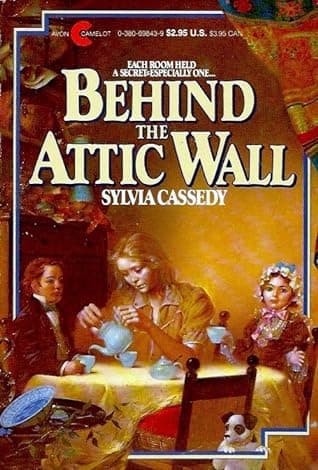
Behind the Attic Wall
Sylvia Cassedy (1983)
Genre
Fantasy / Children's / Historical Fiction / Mystery / Young Adult
Reading Time
12 Minutes
Key Themes
See below
Track Your Reading
Sign in to track this book
Sent to live with her reclusive great-aunts, a rebellious orphan discovers a hidden world of magical whispers and spectral guardians behind the attic walls, offering her a chance at belonging.
Synopsis
Twelve-year-old Maggie, a "difficult" and rebellious orphan, is sent to live with her reclusive great-aunts and Uncle Morris in a sprawling, gloomy old house. Feeling unwanted and alone, Maggie soon discovers mysterious whispers emanating from behind a closet wall. Intrigued, she finds a hidden room inhabited by small, magical, doll-like beings. Through her interactions with these creatures, Maggie begins to experience unconditional love and acceptance for the first time, transforming her cynical outlook and allowing her to form genuine connections.
Difficulty
Easy
Pacing
Moderate
Mood
Mysterious, heartwarming, slightly melancholic, whimsical
Plot Summary
A New (Unwelcome) Home
Twelve-year-old Maggie, known for her difficult behavior and many expulsions from boarding schools, arrives at the isolated stone house of her great-aunts, Miss Christabel and Miss Lillian. They are her only living relatives, besides their reclusive brother, Uncle Morris. The aunts are clearly unhappy about her arrival, seeing her as an unwelcome burden. Maggie, thin, pale, and defensive, immediately feels the heavy atmosphere of the house and the aunts' coldness. She gets a small, plain room and is told to stay out of the way, confirming her long-held belief that no one wants her.
The Whispering Walls
Soon after she arrives, Maggie starts to experience strange things in the old house. She hears faint whispers, disembodied voices, and rustling sounds, especially from behind a closet door in her room. At first, she thinks it's her imagination or the sounds of an old house, but the events become more frequent and clear. She feels constantly watched, even when alone. The house itself seems to hold secrets, and Maggie, despite her outward cynicism, becomes interested in the mystery.
Behind the Closet Door
Curiosity and the persistent whispers lead Maggie to investigate the closet door in her room. To her surprise, it is not a solid wall but a cleverly hidden, narrow passage. Following the passage, she finds a hidden room, different from the rest of the gloomy house. Here, she meets two unusual, doll-like figures, William and Miss Doll. They are not ordinary dolls; they are alive, can talk, and seem otherworldly. They greet her with warmth and a sense of recognition, a sharp contrast to her great-aunts' coldness.
A World of Imagination
William and Miss Doll explain that they are 'the others,' beings from a different dimension, who can only interact with the physical world through the hidden room. They tell Maggie they have been watching her, waiting for her, and that she is special. They show her a world of imagination and shared experience, where she feels truly seen and understood for the first time. They express a deep desire for connection and the ability to fully appear in Maggie's world, hinting at their limited existence and Maggie's power.
Shared Secrets and Growing Bonds
Maggie begins to spend more and more time in the hidden room, telling William and Miss Doll about her past, her loneliness, and her feelings of being unwanted. In return, they offer her unconditional love, acceptance, and a sense of belonging she has never known. This new connection changes Maggie's behavior. The anger and rebelliousness that defined her start to fade, replaced by a growing sense of peace and even joy. Her great-aunts notice a change, though they think it's just her settling down, unaware of her secret world.
Uncle Morris's Intrigue
Uncle Morris, Miss Christabel and Miss Lillian's reclusive brother, is the only one who seems to observe Maggie with real interest. He is eccentric and often lost in thought, but he has sharp intuition. He notices the subtle shifts in Maggie's mood – her newfound contentment, her less defiant attitude. He starts to watch her, especially her frequent disappearances to her room, and senses she is hiding a secret. His curiosity is stirred, and he begins to investigate, discreetly, trying to understand what changed Maggie.
The Aunts' Growing Suspicion
While initially relieved by Maggie's improved behavior, Miss Christabel and Miss Lillian eventually grow suspicious. Her sudden cheerfulness, her quietness, and her frequent, long absences in her room seem unnatural to them. They are used to her being difficult and disruptive, and this new, compliant Maggie is unsettling. They begin to watch her more closely, trying to catch her doing something wrong, convinced she is plotting something. Their distrust and lack of understanding create a threat to Maggie's hidden world.
A Glimpse of the Other Side
One day, a moment occurs when William and Miss Doll, through Maggie's growing belief and their own increasing strength, manage to briefly appear, becoming visible and tangible to Maggie outside the hidden room. This event is brief but significant, confirming Maggie's understanding of their reality and the magic at play. It also hints that they might fully cross over, but also shows the danger and energy needed for such a feat. Maggie feels a surge of hope and responsibility for her new friends.
The Threat of Discovery
The great-aunts' suspicions reach a peak, and they decide to search Maggie's room thoroughly. They discover the hidden passage behind the closet door, leading to the secret room. Their discovery shatters Maggie's sanctuary and puts William and Miss Doll in danger. The aunts, unable to understand the magical reality, see the dolls as mere toys and the room as a place for Maggie's childish fantasies or, worse, something sinister. They threaten to destroy the room and the dolls, believing they are 'curing' Maggie of her strange behavior.
Uncle Morris Intervenes
As the great-aunts prepare to dismantle the hidden room, Uncle Morris unexpectedly steps in. He reveals that he, too, had a connection to the 'others' in his youth, and understands the house's magic. He recognizes William and Miss Doll, hinting at a shared past with them. He stands up to his sisters, protecting Maggie and the hidden room, explaining the importance of imagination and belief. His intervention prevents the destruction of the magical world and saves William and Miss Doll from being lost forever.
A Bridge Between Worlds
With Uncle Morris's understanding and support, Maggie helps William and Miss Doll. Together, they create a stronger connection, allowing William and Miss Doll to fully appear in the physical world, no longer confined to the hidden room. They become tangible, living beings, though still keeping their unique, ethereal qualities. This transformation shows the power of love, belief, and acceptance to bridge different realities. The house, once grim, begins to feel filled with a new kind of warmth and magic.
A Family Reunited and Transformed
The presence of William and Miss Doll changes the household. The great-aunts, though initially resistant, slowly begin to accept the magical reality, softened by the joy and love that now fills their home. Maggie, no longer an outcast, becomes the center of a newly formed, unconventional family. She has found love, belonging, and a place where she is truly valued. The house, once a prison, becomes a sanctuary, showing the power of imagination and the bonds of a unique family.
Principal Figures
Maggie
The Protagonist
Maggie transforms from a cynical, unloved orphan into a compassionate, loving individual who finds a true family and a sense of belonging through her connection with William and Miss Doll.
William
The Supporting
William transitions from a confined, ethereal being to a more fully manifested presence in the physical world, enabling him to share his love and magic more directly.
Miss Doll
The Supporting
Miss Doll, like William, moves from an existence beyond the physical world to a more tangible presence, allowing her to fully express her nurturing nature.
Miss Christabel
The Antagonist
Miss Christabel initially embodies stern resistance to Maggie and the magical world, but eventually softens, grudgingly accepting the new reality and the happiness it brings to Maggie.
Miss Lillian
The Antagonist
Miss Lillian follows her sister's lead in opposing Maggie, but ultimately, like Miss Christabel, comes to terms with the magical elements and Maggie's happiness.
Uncle Morris
The Supporting
Uncle Morris emerges from his reclusive nature to become a protector and mentor for Maggie, embracing his past connection to the magical world and helping it flourish.
Themes & Insights
The Power of Love and Acceptance
This theme is central to Maggie's change. Having spent her life feeling unwanted and unloved, Maggie's meeting with William and Miss Doll gives her unconditional acceptance. This love helps her heal emotionally, changing her from a rebellious, cynical child into a compassionate one. The story shows that love, even from unusual sources, can mend deep emotional wounds and create a sense of belonging, changing not only the person but also their environment.
“It was a strange sort of love, perhaps, but it was love, and Maggie had never known it before.”
Imagination vs. Reality
The book explores the unclear line between imagination and reality, suggesting that what one believes can become real. William and Miss Doll exist in a space between worlds, their tangibility depending on belief and connection. Maggie's ability to interact with them, and later Uncle Morris's past connection, highlights how imagination can open doors to other dimensions or truths that rigid adult views often dismiss. The story proposes that a world without imagination lacks magic and genuine connection.
“Some things are real only if you believe them to be real, and then they are more real than anything.”
Finding Family and Belonging
Maggie's journey is about finding a place where she belongs and a family that truly accepts her. Having been moved from institution to institution, she sees herself as an outcast. The hidden room and its inhabitants become her true home and family, offering a sense of security and validation that her biological relatives could not. The story ultimately expands the definition of 'family' beyond blood ties to include those who offer love, understanding, and a sense of shared existence, even if they are from another dimension.
“She had found her home, not in the big, cold house, but in the secret place behind the wall, with the only ones who had ever truly wanted her.”
The Healing Power of Secrets
Initially, Maggie's secret world is a refuge from her harsh life. Keeping this secret, ironically, allows her to heal and grow in a way that being open with her aunts would not. The shared secret with William and Miss Doll creates intimacy and trust. While secrets can often be isolating, in this story, the secret of the hidden room creates a sacred space for Maggie's emotional development, protecting her fragile sense of self until she is strong enough to bring her two worlds together.
“The secret was hers, and it was precious, a warmth she carried inside her when the rest of the world was cold.”
Plot Devices & Literary Techniques
The Hidden Room
A secret space that acts as a portal between worlds.
The hidden room behind the attic wall serves as the primary magical portal and sanctuary. It is not just a physical space but a liminal zone where the mundane and the magical intersect. For Maggie, it represents escape, safety, and ultimately, love. For William and Miss Doll, it is their dwelling and the point of their limited connection to Maggie's world. Its discovery and subsequent defense drive much of the plot, symbolizing the power of hidden wonders and the sanctity of personal belief against a dismissive world.
The Doll-like Figures (William and Miss Doll)
Magical beings who embody unconditional love and imagination.
William and Miss Doll are crucial as they are not merely characters but also symbolic representations. Their doll-like appearance initially suggests something innocent or childish, which contrasts sharply with their profound wisdom and emotional depth. They function as conduits for magic and unconditional love, acting as Maggie's emotional anchors and catalysts for her transformation. Their existence challenges conventional notions of life and reality, emphasizing the power of belief to animate the seemingly inanimate and to make the impossible real.
The Oppressive House
A gothic setting that mirrors Maggie's internal state and external challenges.
The great-aunts' large, old stone house is more than just a setting; it is a character in itself, reflecting the bleakness and emotional coldness of Maggie's life before she discovers the magic within. Its imposing structure, lack of warmth, and the great-aunts' rigid rules create an oppressive atmosphere that mirrors Maggie's feelings of being trapped and unwanted. The house's transformation into a more welcoming place by the end of the story, infused with the magic of William and Miss Doll, symbolizes Maggie's internal healing and the triumph of love over despair.
Critical analysis
Notable Quotes
Quiz
Test Your Knowledge
Ready to see how well you understood this book? Take our interactive quiz with 10 questions.
10
Questions
~5
Minutes
?
Best Score
Key Questions (FAQ)
Maggie, a rebellious twelve-year-old, is sent to live with her great-aunts in a large, old house. She discovers a magical secret within the house that helps her find love and belonging.







