BookBrief
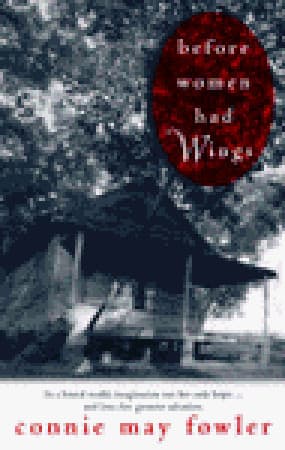
Before Women Had Wings cover
Archivist's Choice

Before Women Had Wings

Connie May Fowler (1996)

Genre

Historical Fiction

Reading Time

600 min

Key Themes

See below

Track Your Reading

Sign in to track this book

In the turbulent 1960s South, a young girl named Bird, meant to rise above her difficult life, seeks salvation amidst her family's struggles, guided by a healer and her own will to find hope.

Synopsis

In rural 1960s Florida, young Avocet Abigail "Bird" Jackson grows up in poverty, abuse, and the wild beauty of the swamps. Her mother, Savannah, names her and her older sister, Phebe, after birds, hoping they might "fly above the shit in their lives." Bird, an observant child, finds comfort in an imagined relationship with Jesus, even as her home life falls apart, making her selectively mute. Her father, Billy, a charming but violent aspiring country singer, subjects the family to his changing temper and frequent absences. Phebe, seeking escape, enters a dangerous adolescence, eventually returning home pregnant. As Savannah deals with Billy's repeated departures and their harsh life, she makes a desperate, tragic decision for her daughters' survival. This act sends Bird into deeper grief and silence. The arrival of Miss Zora, an elderly Black healer and spiritual guide, offers hope. Miss Zora, who prays over the bones of winged creatures, teaches Bird about strength, healing, and finding her voice. Through Miss Zora's wisdom and the enduring love Phebe shows as she becomes a mother, Bird slowly begins to understand her trauma, her family's complex past, and ultimately, finds her own voice, embracing a future where she can finally soar.
Reading time
600 min
Difficulty
Medium
Pacing
Moderate
Mood
Atmospheric, Poignant, Heart-wrenching, Hopeful, Dark
✓ Read this if...
You appreciate raw, emotional storytelling about overcoming childhood trauma and finding resilience in the face of adversity, set in a unique historical Florida swamp environment.
✗ Skip this if...
You prefer lighthearted stories or are sensitive to themes of child abuse, poverty, and difficult family dynamics.

Plot Summary

A Childhood in the Florida Swamps

Avocet Abigail Jackson, nicknamed Bird, tells of her life growing up in a rundown shack in the Florida swamps with her family: her mother, Savannah, her older sister, Phebe, and her father, Billy. Bird's mother, Savannah, named her children after birds, hoping they would be able to 'fly above the shit' in their lives. Billy, a charming but irresponsible man, dreams of country music stardom but mostly spends his time drinking and chasing women, leaving Savannah to struggle financially and emotionally. The family lives in poverty, and Bird, a sensitive child, internalizes much of the instability and neglect around her. She finds comfort in a picture of Jesus, whom she imagines as her 'boyfriend'.

Phebe's Escape and Return

As Bird gets older, her sister Phebe, restless and wanting a different life, runs away from home. Savannah is heartbroken but continues to try and keep the family together. Billy, true to form, offers little help. After some time, Phebe returns, pregnant and having clearly faced hardship. Her return adds another mouth to feed and more strain to the already fragile family. Phebe's experience shows the limited options available to young women in their situation, and her pregnancy becomes a source of both shame and a quiet, desperate hope for Savannah.

Billy's Abandonment and Savannah's Despair

Billy's occasional presence and growing irresponsibility end in his final abandonment of the family. He leaves, taking what little money they have, and never returns. This act crushes Savannah, who has endured years of his infidelity and neglect. The burden of poverty, the responsibility of two daughters and a grandchild, and the realization that Billy is truly gone send her into a deep depression. She becomes withdrawn and sad, unable to cope with the constant hardships of her life. Bird watches her mother's despair with a quiet, growing fear.

The Arrival of Miss Zora

When Savannah's mental state worsens, a mysterious elderly Black woman named Miss Zora appears. Miss Zora is a spiritual healer and a 'bone woman,' known for guiding lost souls. She moves into their home, offering a calm and steady presence the family desperately needs. Bird is initially cautious but soon feels drawn to Miss Zora's wisdom and quiet strength. Miss Zora introduces Bird to a world of spiritual beliefs and the importance of remembering and honoring the dead, especially those whose lives were cut short or unfulfilled. She begins to care for Savannah, offering a different kind of healing.

Savannah's Tragic Decision

Despite Miss Zora's presence and quiet care, Savannah's despair is too deep to overcome. Feeling trapped and seeing no escape from her impoverished and painful life, Savannah makes the tragic decision to take her own life. Her death is a brutal blow to Bird and Phebe, leaving them completely alone. The event is particularly traumatic for Bird, who witnesses the aftermath and struggles to understand her mother's desperate act. Savannah's suicide clearly shows the crushing weight of her life and her limited options.

Bird's Silence and Grief

Following her mother's suicide, Bird, already a quiet child, retreats into complete silence. The trauma of witnessing her mother's desperate act and the grief make her unable to speak. This silence becomes both a coping mechanism and a visible sign of her deep emotional wounds. Miss Zora understands that Bird's silence is not a refusal but a necessary period of internal processing. She continues to care for Bird and Phebe, providing a stable environment while Bird deals with her overwhelming grief and tries to make sense of the tragedy that has happened to her family.

Miss Zora's Teachings and Healing

Miss Zora becomes Bird's main caregiver and spiritual guide. She patiently encourages Bird to connect with the world around her, even in her silence. Through stories, rituals, and her deep understanding of nature and spiritual connections, Miss Zora teaches Bird about the cycle of life and death, the importance of memory, and the power of finding one's voice. She performs rituals over the bones of dead birds, symbolically guiding their souls to heaven, which deeply resonates with Bird's own attempts to understand her mother's journey. These teachings help Bird process her grief and trauma.

Phebe's Motherhood and Resilience

While Bird struggles with her silence, Phebe, despite her own difficulties, begins to find strength as a mother to her baby, Little Billy. Her initial recklessness gives way to responsibility and a fierce protectiveness over her child. She works hard and tries to provide a stable environment, showing a resilience not always clear in her youth. Phebe's journey highlights the transforming power of motherhood and her ability to adapt and survive in difficult circumstances, even as she carries her own burdens of grief and past mistakes. She tries to connect with Bird, though Bird remains silent.

Bird Finds Her Voice

Through Miss Zora's steady support and the gradual healing process, Bird slowly begins to emerge from her silence. Miss Zora's stories and the spiritual connection she fosters help Bird to express her pain and understanding without words, until one day, she speaks again. This moment is not a sudden cure but the result of her internal work, allowing her to begin to process her trauma verbally. Speaking again signifies a crucial step in her journey towards healing and reclaiming her identity after the devastating losses she has endured.

Embracing the Future

By the end of the novel, Bird has not only regained her voice but has also gained a deeper understanding of her family's history, her mother's struggles, and her own place in the world. She has learned from Miss Zora the importance of memory, resilience, and the power of love, even amidst great loss. While the scars of her past remain, Bird is no longer defined by them. She embraces the possibility of a future where she can truly 'fly' above the 'shit' of her life, carrying the lessons and love from those who shaped her, especially Miss Zora, into a hopeful, if uncertain, future. She has learned to accept the complexities of life and death.

Principal Figures

Avocet "Bird" Abigail Jackson

The Protagonist

Bird evolves from a silent, traumatized child into a young woman who finds her voice, understanding, and resilience through Miss Zora's guidance.

Savannah Jackson

The Supporting

Savannah's arc is tragic, moving from a hopeful but struggling mother to a woman utterly consumed by despair, ultimately choosing to end her own life.

Phebe Jackson

The Supporting

Phebe matures from a rebellious, runaway teenager into a responsible and resilient mother.

Billy Jackson

The Antagonist/Mentioned

Billy's arc is one of consistent irresponsibility and ultimate abandonment, serving as a destructive force in the family's life.

Miss Zora

The Supporting

Miss Zora serves as a stable, guiding force, helping Bird to heal and find her own path, without a personal arc of her own.

Little Billy

The Mentioned

Little Billy's presence marks a new chapter for Phebe and the family, symbolizing potential and the future.

Themes & Insights

The Burden of Poverty and Despair

The novel clearly shows the crushing weight of poverty and how it limits options, causes despair, and leads to tragedy. The Jackson family's dilapidated shack, lack of resources, and constant struggle to survive are central to the story. Savannah's inability to escape her circumstances, despite her initial strength, directly leads to her mental decline and suicide. This theme is clear in the constant worry over food and money, Billy's inability to provide, and the feeling of being trapped in their environment, as seen when Savannah looks out at the endless swamp, a metaphor for her inescapable life.

She named both her children after birds, her logic being that if we were named for something with wings then maybe we'd be able to fly above the shit in our lives.

Bird Jackson (narrator)

The Power of Female Resilience and Sisterhood

Despite the overwhelming hardships, the women in the story show remarkable strength and, at times, a quiet power. Savannah, for years, single-handedly tries to keep the family together. Phebe, after her initial recklessness, finds purpose and strength in motherhood. Most deeply, Bird, through her silence and eventual re-emergence, shows inner fortitude. The bond between Bird and Phebe, though often strained, represents a form of sisterhood, and Miss Zora's presence offers a powerful example of female wisdom and support that helps Bird heal. This theme highlights how women find ways to endure and adapt in challenging environments.

Miss Zora said the women always held the world together. If the men had to do it, everything would fall to pieces.

Miss Zora (paraphrased by Bird)

Spiritual Healing and the Afterlife

Spirituality, especially through Miss Zora's unique practices, is a central theme, offering a way to heal and understand in the face of death and trauma. Miss Zora's rituals with bird bones, guiding souls to heaven, provide a powerful metaphor for processing grief and connecting with those who have passed. Bird's initial 'relationship' with Jesus and her later immersion in Miss Zora's spiritual world illustrate a search for meaning beyond the physical hardships. This theme suggests that emotional and spiritual well-being are linked and that acknowledging the spiritual realm can provide comfort and closure.

She said every creature had a spirit, and when that spirit left the body, it needed a little help finding its way home.

Miss Zora (paraphrased by Bird)

The Search for Voice and Identity

Bird's journey is a quest to find her voice, both literally and figuratively. Her retreat into silence after her mother's death is a strong sign of her trauma and her struggle to process unspeakable events. Miss Zora's guidance helps Bird to express her pain and understanding, eventually leading to her speaking again. This theme explores how individuals, especially children, deal with devastating experiences and how finding a way to express oneself is essential for healing and establishing a sense of self in a chaotic world. The 'wings' in the title symbolize this desire for freedom and self-expression.

I had to learn how to find the words again, how to put them together so they made sense, how to make them carry the weight of what I knew.

Bird Jackson (narrator)

Plot Devices & Literary Techniques

First-Person Narration (Child's Perspective)

The story is told through the eyes of young Bird, shaping the reader's understanding of events.

The novel is narrated by Bird Jackson from her childhood perspective, offering a unique and poignant lens through which to view the harsh realities of her family's life. This device allows for a raw, unfiltered emotional honesty and often highlights the disparity between adult actions and a child's understanding. Bird's observations, though sometimes naive, are incredibly sharp and imbued with a lyrical quality, making the tragedy even more impactful. It also allows for the gradual unfolding of complex adult motivations through a child's limited, yet deeply felt, perception.

Symbolism of Birds and Wings

Birds and wings represent hope, freedom, and the desire to transcend hardship.

The recurring motif of birds and wings is central to the novel's themes. Savannah names her daughters Bird and Phebe, hoping they will 'fly above the shit' in their lives. This symbolism represents the longing for escape, freedom, and the ability to rise above adversity. Miss Zora's rituals with bird bones further emphasize the spiritual journey and the guidance of souls. The imagery of flight contrasts sharply with the grounded, oppressive reality of the characters' lives, reinforcing their yearning for a better existence and Bird's eventual ability to find her own form of 'flight' through resilience and voice.

The 'Bone Woman' (Miss Zora's Spiritual Practices)

Miss Zora's unique spiritual healing practices provide a framework for processing grief and connecting to the spiritual world.

Miss Zora's role as a 'bone woman' and her spiritual practices, particularly her rituals with the bones of dead birds, serve as a significant plot device. These practices introduce a mystical and spiritual element to the narrative, providing Bird with a means to understand death, grief, and the concept of an afterlife. Her stories and rituals offer a counterpoint to the harsh realities of the family's life, providing comfort, meaning, and a pathway for Bird's emotional and spiritual healing. This device grounds the narrative in a specific cultural and spiritual tradition, enriching its thematic depth.

The Silent Protagonist

Bird's period of silence following her mother's death serves as a powerful manifestation of trauma and a catalyst for internal growth.

Bird's retreat into a profound silence after her mother's suicide is a crucial plot device. This silence is not merely a symptom of trauma but also a period of intense internal processing and observation. It forces other characters, particularly Miss Zora, to communicate with her in non-verbal ways and to understand her emotional state without words. Her eventual return to speech marks a significant turning point in her healing journey, symbolizing her ability to integrate her traumatic experiences and find her voice, both literally and metaphorically, in the world.

Critical analysis

Notable Quotes

Before women had wings, they had to walk everywhere, and then they had to walk through the world, and then they had to walk through the world with their children, and then they had to walk through the world with their children and their husbands, and then they had to walk through the world with their children and their husbands and their worries.

The opening lines of the book, setting the tone for the struggles of women.

Sometimes you just gotta take what you can get, and sometimes what you can get ain't much, but it's enough to keep you going.

Willie Mae talking about making do with limited resources and opportunities.

A woman's place is wherever she can find a little bit of peace, even if it's just in her own head.

Willie Mae offering wisdom to her granddaughter about finding inner strength.

The past ain't never really past. It just sits there, waiting for you to trip over it again.

A character reflecting on the lasting impact of past events and trauma.

Love ain't always pretty, and it ain't always easy, but it's always something. And sometimes, something is all you got.

Exploring the complex and often difficult nature of family love and relationships.

Some folks got wings, and some folks gotta make their own way, even if it means crawling on their hands and knees.

Highlighting the disparity in opportunities and the determination required to overcome hardship.

The truth is a heavy thing, and sometimes it's best left buried, especially if it's gonna hurt more than it helps.

A character grappling with the difficult decision of revealing a painful secret.

You can't choose your family, but you can choose how you let them treat you.

A piece of advice about setting boundaries within difficult family dynamics.

Hope is a tricky thing. It can lift you up, and it can dash you down just as fast.

Reflecting on the fragile and sometimes deceptive nature of hope in challenging circumstances.

There's a difference between being strong and being hard. A strong woman bends, but she don't break.

Willie Mae distinguishing between true strength and mere toughness.

Silence can be a weapon, and it can be a shield. Depends on who's holding it.

Exploring the power dynamics and different uses of silence in communication and relationships.

Sometimes you gotta make your own light in the darkness, 'cause ain't nobody gonna do it for you.

Encouraging self-reliance and finding inner resources during difficult times.

The world ain't fair, and it ain't never gonna be. But that don't mean you gotta stop trying to make it a little bit better.

A pragmatic view of injustice coupled with an enduring call to action.

Every woman got a story in her, even if she ain't never told a soul.

Emphasizing the hidden lives and untold narratives of women.

Quiz

Test Your Knowledge

Ready to see how well you understood this book? Take our interactive quiz with 10 questions.

10
Questions
~5
Minutes
?
Best Score

Key Questions (FAQ)

The book follows young Avocet Abigail Jackson, nicknamed Bird, as she navigates a tumultuous childhood in a poverty-stricken family. Through her eyes, the reader witnesses her father's struggles, her sister's difficult path to womanhood, and her mother's desperate choices, all while Bird embarks on a spiritual quest for salvation amidst the chaos.

About the author

Connie May Fowler

Connie May Fowler is a critically acclaimed author known for her Southern Gothic-inspired fiction. Her debut novel, "Before Women Had Wings," was a finalist for the National Book Award and explored themes of family, abuse, and resilience. Fowler's writing is often praised for its lyrical prose and unflinching portrayal of complex characters.






