“I want to live every day like it's my last. Because it is.”
— Tessa's resolution after learning her leukemia is terminal.

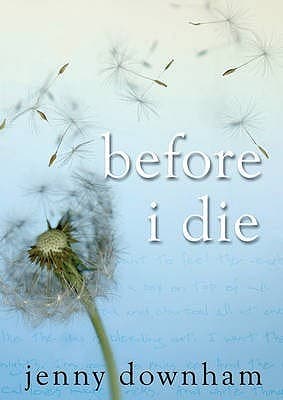
Jenny Downham (2007)
Genre
Young Adult / Romance
Reading Time
420 min
Key Themes
See below
Sign in to track this book
With only months left to live, a teenage girl makes a list of things to do, embracing every raw, exhilarating, and heartbreaking experience as her body fails her, all while navigating love and family.
Sixteen-year-old Tessa Scott has terminal lymphoblastic leukemia and only months to live. Frustrated with her failing body and medical treatments, Tessa decides to stop treatment. She makes a 'To Do Before I Die' list of experiences she wants to have. The first item on her list, 'Have sex,' immediately causes tension with her overprotective father. Her best friend, Zoey, tries to talk her out of it but ultimately supports Tessa's wish to live life on her own terms, even as Tessa's father struggles with her decision to abandon further medical care.
Tessa begins her list by shoplifting with Zoey. Soon after, she meets Adam, her quiet new neighbor. They connect over shared interests and an understanding that goes beyond Tessa's illness. Adam, who recently lost his mother, shows empathy for Tessa's situation without pity. Their connection grows, and Adam becomes the person Tessa tells her fears and desires to, including her wish for intimacy, which he approaches with care and respect, understanding the seriousness of her request.
Tessa and Adam start fulfilling items on her list. They go skinny-dipping, watch the sunrise, and share their first kiss. Adam, knowing Tessa's prognosis, falls in love with her, and Tessa loves him back. Their relationship becomes a main part of Tessa's remaining life, giving her comfort, joy, and a sense of normalcy. Adam's support and love help Tessa feel alive, even as her body declines, making her feel beautiful and desired despite her illness.
Tessa's relationship with her family is tense. Her father, loving but overprotective, struggles with Tessa's illness and choices, often arguing with her. Her mother, who left years ago, tries to reconnect, but Tessa resents her. Tessa's younger brother, Cal, feels neglected by Tessa's illness and often acts out for attention. Tessa tries to connect with Cal, understanding his pain, but the family is often strained by the stress and grief of Tessa's impending death.
As Tessa's health worsens, completing her list becomes harder. She has more pain, fatigue, and other symptoms that limit her movement and energy. This decline creates urgency to experience everything she can, leading to both joy and frustration. Some items, like traveling, become impossible. Her friends and family struggle to keep up with her changing moods and the physical demands of her desires, showing the harsh reality of her condition.
Zoey tells Tessa she is pregnant. This news brings Tessa mixed emotions: joy for her best friend, but also a sadness and a reminder of the life she will never have. The pregnancy becomes a symbol of continuity and the future, a future Tessa will not be part of. Tessa is determined to be there for Zoey, offering advice and support, and helps Zoey tell her mother. This shows Tessa's maturity and her ability to find happiness for others despite her own circumstances.
As Tessa's body weakens, she must face the fact that she will not finish every item on her list. She feels deep sadness and anger over these limits. For example, her dream of traveling the world is replaced by a trip to the beach. Adam helps her find other ways to feel joy and fulfillment, stressing that the quality of the experience matters more than its grandness. This period marks a shift from grand adventures to finding peace in smaller, more intimate moments.
Tessa's physical condition gets much worse. The pain becomes constant and severe, requiring stronger and more frequent medication. She is cared for at home, needing constant supervision and help. Her father and Adam become her main caregivers, seeing her suffering directly. These moments are very difficult, forcing them to face the brutal reality of her illness and its limits on her and their lives.
Despite the increasing pain, Tessa has periods of calm and acceptance. She spends time with her family, including her mother who has returned, and with Adam and Zoey. These moments are filled with quiet talks, shared memories, and expressions of love. Tessa finds comfort in their presence and in being surrounded by loved ones. She works to reconcile with her mother, understanding that holding onto anger is not worth the precious time she has left.
Tessa begins to prepare for her death. She records messages for her loved ones, especially for Cal and for Zoey's unborn baby, offering advice and love. She also ensures Adam knows how much he means to her. These actions show her acceptance of her fate and her wish to leave a lasting impact and comfort for those she will leave behind. Her father struggles to accept this, but Tessa's resolve gives her quiet strength during these final days.
In her final days, Tessa is surrounded by her father, mother, Cal, Adam, and Zoey. She has moments of clarity mixed with sleep and pain. Her family offers comfort and love, holding her hand and speaking softly. Adam stays by her side. These are deeply emotional and agonizing days for everyone, as they watch Tessa's gradual decline. The house is filled with quiet grief and the deep love they share for Tessa.
Tessa dies peacefully in her bed, surrounded by her family and Adam. Her death is heartbreaking but expected. The immediate aftermath is filled with grief and emptiness for her loved ones. The story then focuses on the effect of her death on those left behind, especially her father, Adam, and Zoey. They must now live in a world without Tessa, cherishing her memory and the lessons she taught them about living life fully, even in the face of death.
The Protagonist
Tessa evolves from a defiant, angry girl to one who finds peace and acceptance in her final days, learning to cherish love and connection over grand experiences.
The Love Interest / Supporting
Adam moves from being a quiet, grieving boy to a deeply loving and resilient young man who embraces life and loss with courage, finding profound connection despite impending heartbreak.
The Best Friend / Supporting
Zoey matures from a typical teenager to a loyal, supportive friend who grapples with the impending loss of her best friend while also embracing her own future as a mother.
The Supporting
Tessa's father moves from a state of denial and overprotection to a painful acceptance of his daughter's choices, finding a way to support her in her final days despite his immense grief.
The Supporting
Tessa's mother seeks forgiveness and reconciliation, ultimately finding a way to reconnect with her daughter and family during Tessa's final days.
The Supporting
Cal struggles with feelings of neglect and resentment, gradually coming to terms with his sister's illness and finding a way to express his love before her death.
The Mentioned
N/A
The main theme is Tessa's determination to experience life fully before her death. Her 'To Do Before I Die' list shows this. Even as her body fails, Tessa seeks new sensations, relationships, and moments of joy. This theme is clear in scenes like her first sexual experience with Adam, her skinny-dipping adventure, and her simple wish to watch the sunrise. It makes readers consider what truly makes life meaningful, no matter how long it lasts.
“I want to do things. I want to feel alive. I want to do everything.”
The novel explores the deep and often painful nature of love when facing terminal illness. Tessa's relationship with Adam is an example, as they fall in love knowing their time is short. Their intimacy is emotional as well as physical, giving Tessa a sense of being truly seen and desired. This theme also includes family love, showing the complexities of a father's protective love and a mother's attempt at reconciliation. It shows how love can both lessen and intensify the pain of coming loss.
“Adam loves me. He knows I'm going to die. But he loves me anyway.”
Grief is a constant theme, explored in Tessa's own acceptance of her death and in the grief of her family and friends before she dies. Her father's denial, Cal's resentment, and Zoey's quiet sadness all show different parts of grieving. Tessa's journey to acceptance includes anger, frustration, and eventually a quiet peace, as seen when she records messages for her loved ones. The novel portrays grief as a complex, messy, and personal journey, even before the final loss.
“I am dying. I am going to die. I'm not going to beat it. I'm not going to survive.”
The novel looks at the strained and complex dynamics of Tessa's family under great pressure. Her relationships with her overprotective father, her estranged mother, and her neglected younger brother, Cal, are central to the story. The illness forces them to deal with unresolved issues and redefine their bonds. While there is conflict and pain, there is also deep love and a desperate effort to support each other, even imperfectly. It shows how adversity can both break and strengthen family ties.
“My family is a mess. But they're my mess. And I love them.”
A literal bucket list that drives Tessa's actions and the plot.
This list is the central plot device, serving as the narrative framework for Tessa's remaining months. Each item on the list propels the story forward, dictating Tessa's experiences and interactions. It acts as a tangible representation of her defiance, her desire for life, and her attempt to control her own narrative in the face of an uncontrollable illness. The list also highlights her growth as she prioritizes emotional fulfillment over purely sensational experiences.
The story is told entirely from Tessa's perspective.
The use of a first-person narrative allows readers to intimately experience Tessa's thoughts, fears, desires, and pain. It provides direct access to her emotional state, making her journey deeply personal and empathetic. This perspective emphasizes her subjective experience of illness and dying, allowing her voice to dominate the story without external interpretation, making her choices and struggles feel immediate and authentic.
Natural phenomena representing life, death, and transient beauty.
The recurring imagery of sunrises and sunsets symbolizes the transient beauty of life and the inevitability of its end. Tessa's desire to 'watch the sunrise' is an item on her list, representing her longing to witness new beginnings and beauty, even as her own life approaches its conclusion. These moments often coincide with profound emotional experiences for Tessa and Adam, underscoring the preciousness of time and the cyclical nature of existence.
Contrasting environments representing control and freedom.
The contrast between the sterile, controlled environment of the hospital and the freedom of Tessa's home (and the outside world) is a significant plot device. The hospital represents her illness, medical intervention, and loss of autonomy, which she vehemently rejects. Her home and the places she visits to fulfill her list symbolize her reclaiming control, her desire for normalcy, and her pursuit of life on her own terms. This dichotomy highlights her struggle against her condition and her fight for agency.
“I want to live every day like it's my last. Because it is.”
— Tessa's resolution after learning her leukemia is terminal.
“I want to have sex.”
— Tessa's first item on her 'to-do before I die' list.
“It's not about being brave. It's about doing it, even if you're scared.”
— Tessa reflecting on her actions and fears.
“He makes me feel alive, even when I'm dying.”
— Tessa's feelings for Adam, her love interest.
“The worst thing about dying is that you don't get to see what happens next.”
— Tessa's lament about missing out on the future.
“I want to break the law.”
— Another item on Tessa's 'to-do' list, seeking rebellious experiences.
“Sometimes I think my body is just a cage, and I'm rattling the bars.”
— Tessa's frustration with her deteriorating physical condition.
“I wish I could give him my breath.”
— Tessa's deep love and concern for Adam.
“He's not just a boy. He's my last chance.”
— Tessa's intense feelings for Adam and the significance of their relationship.
“I want to leave something behind. Something that says I was here.”
— Tessa's desire for a legacy or remembrance.
“My life is slipping away, like sand through my fingers.”
— Tessa's poignant observation of her declining health.
“It's not fair. None of it is fair.”
— Tessa's raw expression of anger and injustice about her situation.
“I want to feel everything. The good and the bad. Before it's all gone.”
— Tessa's determination to fully experience life's emotions.
“You can't choose how you die. Or when. But you can choose how you live.”
— A central theme of the book, reflecting Tessa's agency in her final months.
Ready to see how well you understood this book? Take our interactive quiz with 10 questions.