“The wind had a voice, and it spoke of old things, of stones and the sea, and the spirits that dwelt between them.”
— Early in the story, as the protagonist, Odo, experiences the wild landscape of the north.

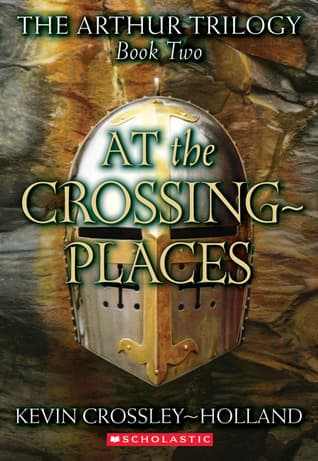
Genre
Fantasy / Children's / Historical Fiction / Young Adult
Reading Time
500 min
Key Themes
See below
Sign in to track this book
Arthur de Caldicot, squire to Lord Stephen, navigates knighthood, forbidden love, and a quest for his true family, all as medieval England prepares for the Crusades.
Arthur de Caldicot, now fifteen, arrives at Holt Castle to begin his squireship under Lord Stephen. He quickly learns horsemanship, combat skills, and courtly manners. He enjoys the company of other squires and his new role, but his past still troubles him. He continues to have visions through the seeing stone, which often show him glimpses of King Arthur. He also wonders about his parentage, especially his birth mother, and remembers his cold father, Sir John. His friend Gatty, a free-spirited peasant girl, keeps him connected to his old life at Caldicot.
The seeing stone remains a strong influence in Arthur's life. His visions become clearer and more frequent, showing him parts of King Arthur's life, including his struggles with betrayal, loyalty, and leadership. These visions often match Arthur's own early experiences and moral problems, making him question his path. He feels pulled between proving himself a knight in this world and the mystical draw of the Arthurian past. Lord Stephen, a wise mentor, notices Arthur's thoughtful nature but does not fully understand his inner conflicts, putting some of it down to a young man's natural worries.
While at Holt, Arthur falls for Winnie, a beautiful lady of the court. Their interactions develop into a romance, and Arthur dreams of a future with her, including marriage and a respectable life. This new affection, however, creates a problem for Arthur, as he also cares deeply for Gatty. Winnie represents the noble world he wants, while Gatty embodies the wild spirit of his childhood and the freedom he sometimes misses. The difference between these two women shows Arthur's struggle to balance different parts of his identity and desires.
Gatty, no longer happy with her life in Caldicot, goes to London to find a better one. Her absence leaves a gap in Arthur's world, but she eventually returns, having gained experience and a better understanding of the world. Her return to Holt Castle is important for Arthur, renewing their deep friendship and challenging his growing feelings for Winnie. Gatty's independent spirit and practical wisdom keep Arthur grounded, offering a different view on life and love than the courtly ideals he finds at Holt. Their bond stays strong, showing their shared past and understanding.
The call for a new Crusade to the Holy Land begins to spread, exciting many young men, including Arthur. He sees it as a chance for glory, honor, and to prove his worth as a knight. However, the seeing stone visions, along with his growing maturity, make him question the justice and true reasons behind the Crusades. He grapples with the moral complexities of holy war, the potential for violence, and the suffering it could cause. Lord Stephen, having experienced war, offers careful advice, urging Arthur to consider all aspects before committing to such an important undertaking, adding to Arthur's inner struggle.
Arthur's difficult relationship with his father, Sir John, continues to bother him. He wants his father's approval but receives only coldness. The mystery of his birth, especially his true mother's identity, remains a constant thought. Arthur wants to know why Sir John resents him and why his mother's identity is a secret. This search for his personal history ties into his desire to form his own identity, separate from his father's shadow. The emotional distance between them drives Arthur to uncover the truth and find his place in the world.
A large tournament is held at Holt Castle, drawing knights and squires from the area. Arthur, eager to prove himself, competes in the squires' events, showing his improved combat skills and horsemanship. He performs well, earning recognition from Lord Stephen and his peers. This event is a key step in his development as a warrior and a young man, boosting his confidence and strengthening his reputation. The tournament also allows for new interactions with Winnie and Gatty; both watch him, each reacting with pride and concern for his safety and future.
Through a series of events and a key conversation, Arthur finally learns the secret of his birth mother's identity. He discovers his mother was Gwynneth, a noblewoman who had a secret affair with Sir John. This news brings mixed emotions: relief at knowing the truth, but also sadness and a deeper understanding of his upbringing. The information explains Sir John's distant behavior and the complex family history. This discovery deeply affects Arthur's sense of self and his place in the world, giving him a clearer lineage.
As his squireship ends, Arthur seriously considers becoming a knight. He has shown his physical skill, learned chivalry, and matured under Lord Stephen's guidance. The idea of becoming a knight is both exciting and daunting, bringing with it the duties of leadership, protection, and justice. He thinks about the lessons from the seeing stone visions of King Arthur, understanding the burdens of power and the importance of wise choices. His mentors discuss his readiness, and Arthur feels the weight of expectation and the importance of the choices ahead, especially regarding his future service.
Arthur faces a difficult choice that forces him to weigh his personal desires against his growing responsibilities. He must decide between his developing love for Winnie and his deep connection with Gatty. At the same time, the call to Crusade is strong, offering glory and spiritual purpose, but also danger and moral uncertainty. His decision will shape his future as a knight and a man, determining his loyalties and the life he will lead. This moment highlights his coming-of-age, requiring him to make a mature and deeply personal commitment.
After much inner struggle, Arthur makes his choice. He decides to join the Crusade, believing it is his duty and fate to fight for what he sees as a just cause, despite the moral problems. This choice means leaving both Winnie and Gatty, though he cares for both. He prepares for his departure, readying himself for the unknown dangers and challenges of the Holy Land. Lord Stephen, understanding Arthur's ambition, offers a final piece of advice, urging him to remember the true meaning of knighthood beyond just fighting. Arthur, now a young man on the edge of true knighthood, sets off with both fear and determination, ready for the next part of his journey.
The Protagonist
Arthur matures from a questioning squire to a young man making difficult, world-altering decisions about his future, embracing his destiny while grappling with moral complexities.
The Supporting
Gatty grows in independence and worldliness, but her core loyalty and bond with Arthur remain steadfast, albeit challenged by his new life.
The Supporting
Winnie serves as a catalyst for Arthur's understanding of courtly love and the choices he must make between different life paths.
The Supporting
Lord Stephen remains a consistent source of wisdom and mentorship, guiding Arthur through his squireship and preparing him for the challenges of knighthood.
The Supporting
Sir John's character remains largely static in his coldness, serving primarily as a catalyst for Arthur's yearning for a true father figure and a deeper understanding of his own origins.
The Mentioned
King Arthur's story is presented in fragments, offering an evolving narrative of legend that shapes young Arthur's personal growth and understanding of his own potential.
The Supporting
Gwynneth's character arc is not directly portrayed, but her past choices and eventual revelation serve as a pivotal turning point in Arthur's personal journey of self-discovery.
Arthur's journey is a search for identity, as he deals with his unknown parents, his cold father, and his place in the world. He wants to know who he truly is, apart from Sir John's coldness, and where he belongs—whether with Winnie in the courtly world, with Gatty in the free world, or on a Crusade. The seeing stone visions of King Arthur also add to this theme, as Arthur sees similarities between the legendary king's identity struggles and his own. His eventual discovery of his birth mother's identity provides a key piece to his personal puzzle, giving him a stronger sense of self and family.
“What does a man become when he knows not whence he came?”
Arthur is torn between different kinds of love and loyalty. His deep, almost family-like bond with Gatty represents a steady, unconditional connection from his childhood. In contrast, his growing love for Winnie represents a more courtly, romantic ideal. This emotional triangle forces Arthur to confront what he truly values in relationships and where his loyalties lie. Furthermore, his loyalty to Lord Stephen and the ideals of knighthood compete with his personal desires, especially as the call to Crusade appears, demanding a different kind of commitment and sacrifice. His final choice to join the Crusade, while leaving both women, shows his complex understanding of loyalty.
“A man's heart can be a battlefield, where love and duty clash like swords.”
The novel explores the idealized image of knighthood versus its harsh realities, especially during the Crusades. Arthur is drawn to the glory and honor of knighthood and the Crusader's cause, seeing it as a way to prove his worth. However, his visions of King Arthur and Lord Stephen's wisdom introduce him to the moral complexities of war, the suffering it causes, and the true meaning of justice beyond just conquest. He grapples with the ethical problems of 'holy war,' questioning the justice of violence and the reasons behind such campaigns. This theme challenges Arthur to develop a mature understanding of what it means to be a righteous knight.
“Honor is not found in the sharpness of a blade, but in the justice of its cause.”
Arthur's life is constantly influenced by the mystical visions from the seeing stone, which show fragmented stories of King Arthur, hinting at a grand, perhaps fated, destiny for young Arthur. These visions often mirror his own experiences and moral problems, suggesting a predetermined path. However, Arthur also has agency through the important choices he must make: his love interests, his relationship with his father, and ultimately, his decision to join the Crusade. The novel explores the tension between these forces, suggesting that while destiny may offer a framework, an individual's free will and choices ultimately shape their character and future. Arthur's final decision to join the Crusade, despite his doubts, is a strong statement of his own agency within a seemingly fated narrative.
“The stones show a path, but the feet that walk it are your own.”
A magical artifact that grants Arthur visions of King Arthur's life.
The seeing stone is a central magical plot device that connects Arthur to the legendary King Arthur. Through its polished surface, Arthur receives vivid, often fragmented, visions of the legendary king's life, battles, and moral dilemmas. This device serves multiple functions: it acts as a form of foreshadowing, a source of moral guidance for Arthur, and a means of weaving Arthurian legend into the narrative of medieval life. It deepens Arthur's understanding of leadership, loyalty, and the responsibilities of power, influencing his personal growth and his decisions regarding knighthood and the Crusade.
Arthur's romantic dilemma between Winnie and Gatty.
The love triangle between Arthur, Winnie, and Gatty is a significant plot device that drives much of Arthur's emotional development and decision-making. Winnie represents the idealized, courtly love and a path of respectability and noble marriage, while Gatty embodies a more earthy, free-spirited connection from his past. This device forces Arthur to confront his desires, loyalties, and the kind of life he truly wants to lead. His struggle to choose between them, and his eventual decision to embark on the Crusade, highlights his coming-of-age and the complex nature of his heart.
Arthur's search for his true birth mother and understanding of his father's coldness.
Arthur's quest to uncover the identity of his birth mother and understand the reasons behind Sir John's unfeeling demeanor is a powerful driving force throughout the narrative. This device provides Arthur with a compelling internal motivation, fueling his desire for truth and a stronger sense of self. The eventual revelation of Gwynneth's identity not only resolves a long-standing mystery but also sheds light on the complexities of his family history, influencing his understanding of his own lineage and place in the world. It is a classic narrative device that grounds the fantasy elements in a personal, relatable journey of self-discovery.
The widespread summons to the Holy Land, presenting Arthur with a moral and physical challenge.
The call to Crusade serves as a major external conflict and a catalyst for Arthur's ultimate decision. It represents a prevalent historical and religious force in medieval Europe, offering young men a path to glory, spiritual redemption, and adventure. For Arthur, it becomes a crucial test of his nascent knighthood, forcing him to weigh the ideals of holy war against its brutal realities, as seen through his visions and Lord Stephen's counsel. This device pushes Arthur to make a profound choice about his future, challenging his understanding of justice, violence, and his role in the wider world.
“The wind had a voice, and it spoke of old things, of stones and the sea, and the spirits that dwelt between them.”
— Early in the story, as the protagonist, Odo, experiences the wild landscape of the north.
“There are some truths that even the wisest cannot speak aloud, but must be felt in the bones.”
— A cryptic remark made by an elder or wise character, hinting at deeper, ancient knowledge.
“A man is not measured by the strength of his arm, but by the courage in his heart when all seems lost.”
— A moment of doubt or challenge for Odo, reflecting on what true bravery means.
“The past is not a dead thing, but a river that flows through us, shaping the banks of who we are.”
— A reflection on the historical elements and the weight of ancestry in the narrative.
“Sometimes the greatest journeys are not across lands, but within the landscape of one's own soul.”
— Odo's internal struggle and growth throughout his quest.
“Fear is a shadow, but it has no power unless you let it eclipse the light within you.”
— A piece of advice given to Odo when he faces a daunting challenge.
“The old ways are not always the best ways, but they carry the echoes of those who came before.”
— Debate or conflict between traditional beliefs and new challenges.
“Even the smallest stone can cause a ripple that changes the course of a great river.”
— Highlighting the impact of seemingly minor actions or individuals on larger events.
“Magic is not in the spells, but in the seeing; in understanding what lies hidden beneath the ordinary.”
— A character explaining the nature of magic or the mystical elements of the world.
“The world is full of crossing places, where one path ends and another begins, and the choice is always yours.”
— A pivotal moment where Odo must make a significant decision about his future.
“Silence can speak more loudly than any shout, if you only learn to listen with your heart.”
— Odo learning to interpret subtle signs or understand unspoken meanings.
“To forget where you come from is to lose a piece of your own soul's compass.”
— A reminder of the importance of heritage and roots, particularly for Odo's identity.
“The land remembers. It holds the stories of every footstep, every battle, every whispered prayer.”
— Emphasizing the deep connection between the characters and the ancient landscape.
“Hope is a stubborn weed that grows even in the coldest stones, if given the slightest crack of light.”
— A moment of despair is overcome by a resurgence of optimism.
Ready to see how well you understood this book? Take our interactive quiz with 10 questions.

Biography coming soon.







