“It was the feeling of being known that she missed most.”
— After a significant period of separation and emotional distance in a relationship.

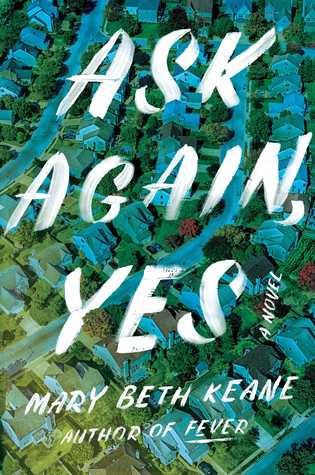
Mary Beth Keane (2019)
Genre
Literary Fiction / Psychology
Reading Time
7-8 hours
Key Themes
See below
Sign in to track this book
Two NYPD families in the suburbs find their lives shattered by a single act of violence, forcing their children to navigate a lifetime of love, trauma, and the difficult path to forgiveness.
In the early 1970s, Francis Gleeson and Brian Stanhope, both new NYPD officers, buy houses next to each other in Gillam, New York. Francis lives with his quiet wife, Lena, and their two young daughters, Kate and Cathy. Brian, a more outgoing man, lives with his increasingly unstable wife, Anne, and their son, Peter. At first, the families keep a polite distance, but their close homes and the husbands' shared job create a tension. Lena Gleeson feels alone and struggles with motherhood, while Anne Stanhope's mental health worsens, creating an unstable home that affects young Peter deeply.
Despite their parents' growing problems, Kate Gleeson and Peter Stanhope form a deep friendship. They spend hours together, sharing secrets, playing in their yards, and finding comfort in each other away from their difficult home lives. Kate, the more stable of the two, often tries to shield Peter from his mother's erratic behavior. Peter, sensitive and smart, finds peace in Kate's calm presence. Their bond becomes central to their young lives, a quiet resistance to their unspoken troubles, and a source of deep comfort.
Anne Stanhope's mental health issues grow throughout Peter's childhood. Her paranoia, delusions, and unpredictable mood swings make life unbearable for Brian and Peter. Brian, unable to cope and unwilling to get help, often withdraws, leaving Peter to deal with Anne's episodes. The Stanhope house becomes a place of fear, and Anne's strange behavior isolates them from the neighborhood, including the Gleesons, who watch her decline with pity, fear, and judgment. Lena, though initially sympathetic, eventually keeps her distance, further isolating Anne and her family.
As Kate and Peter become teenagers, their childhood friendship changes. Their shared history and understanding create a strong connection. One evening, they share their first kiss, a tender moment that confirms their unspoken feelings. This intimate moment strengthens their bond, suggesting a future together that goes beyond their difficult family situations. Their love becomes a secret, precious world, offering hope and stability amid the chaos of their homes and the threat of Anne's unpredictable nature.
The growing tensions and Anne Stanhope's worsening mental state lead to a tragedy. One afternoon, Anne, in a severe psychotic break, shoots Francis Gleeson in his backyard. The gunshot shatters the suburban peace, bringing police and paramedics to the scene. Francis is badly wounded, and Anne is arrested. This violence shocks both families and the community, changing their lives forever. The immediate aftermath is filled with chaos, fear, and disbelief.
After the shooting, Francis Gleeson has a long and difficult recovery. Anne Stanhope is institutionalized for her mental illness, found unfit for trial. The incident leaves the Gleeson family traumatized and unable to stay in their home. Lena Gleeson decides to move the family to a new town, cutting all ties with the Stanhopes. This move separates Kate and Peter, who are heartbroken by the sudden end of their deep connection. Their new romance stops, leaving them with an aching emptiness and an uncertain future.
Years pass, and Kate and Peter live very different lives. Kate goes to college, starts a career, and tries to move on, though her past trauma remains. Peter, dealing with the stigma of his mother's actions and his own grief, struggles to find his way. He carries the heavy weight of his family's history and the loss of Kate. Despite the distance and time, neither truly forgets the other. Their childhood bond, and the brief spark of their young love, remains a powerful memory, a 'what if' that shapes their choices and relationships, even as they try to build new lives.
After more than ten years apart, Kate and Peter meet by chance, bringing them back into each other's lives. The reunion is awkward at first, filled with unspoken history and pain, but their past connection quickly reasserts itself. They cautiously reconnect, sharing stories of their lives apart and facing the difficult memories of their shared childhood trauma. This reunion is a key moment, offering them a second chance at the love they lost and an opportunity to heal old wounds, though the path ahead is full of challenges and the ghosts of their past.
As Kate and Peter rekindle their relationship, they must deal with the aftermath of the shooting and the deep emotional wounds it left. Their love is strong, but the shadow of their families' conflict, especially Francis's lingering resentment toward Anne and Peter, creates significant challenges. They face judgment from others, particularly from Cathy, Kate's sister, who struggles to accept Peter. They commit to building a future together, but it requires great understanding, forgiveness, and a willingness to confront the painful truths of their past, alone and as a couple. They seek to move forward in a way that honors their love without ignoring their history.
Francis Gleeson, the shooting victim, carries deep resentment and trauma for many years. His initial refusal to forgive Anne, and by extension, his reluctance to fully accept Peter, creates a barrier for Kate and Peter's relationship. However, over time, through Kate and Peter's persistent love and dedication, Francis begins a slow process of healing and understanding. He grapples with the complexity of mental illness and forgiveness, eventually reaching a point where he can acknowledge Peter's goodness and accept his daughter's choice, finding some peace.
Lena Gleeson, initially overwhelmed by her quiet life and the demands of motherhood, and later by the trauma of the shooting, undergoes a significant change. She deals with the guilt of her past inaction regarding Anne's mental state and her own feelings of inadequacy. As Kate and Peter rebuild their lives, Lena finds new purpose and strength. She confronts her regrets, supports her daughter, and ultimately finds a more assertive and compassionate voice, becoming a source of quiet wisdom for her family. Her journey shows a deeper understanding of empathy and the complexities of human relationships.
Despite the immense challenges and the lingering shadows of their past, Kate and Peter choose to build a life together. They marry, showing a deep commitment to each other and their shared history. They navigate their families' complexities, creating their own path forward. Their relationship shows the lasting power of love, resilience, and forgiveness. They create their own family, embodying the hope that even after trauma, healing and happiness are possible. Their story ends with hard-won peace and the understanding that love can overcome even the most difficult circumstances.
The Protagonist
Kate evolves from a protective, observant child to a resilient woman who actively seeks to heal past wounds and build a future rooted in love and forgiveness.
The Protagonist
Peter grows from a vulnerable, isolated child into a resilient man who confronts his family's trauma and builds a future based on the enduring love he shares with Kate.
The Supporting
Francis moves from a state of deep trauma and unforgiveness to a reluctant but eventual acceptance and understanding, allowing for his daughter's happiness.
The Supporting
Lena transforms from a passive, somewhat isolated woman into a more self-aware, resilient, and supportive matriarch who confronts her past regrets.
The Antagonist/Supporting
Anne's arc is one of tragic decline due to untreated mental illness, culminating in a violent act that forever alters the lives of two families.
The Supporting
Brian's arc is one of emotional failure, as he proves unable to cope with his wife's illness, leading to tragic consequences and his eventual absence from his son's life.
The Supporting
Cathy struggles to reconcile her sister's love for Peter with the trauma of their past, representing the enduring difficulty of forgiveness for some.
The novel deeply explores the difficult, often lifelong process of forgiveness. It questions whether forgiveness is truly possible for an act as devastating as Francis Gleeson's shooting, and what it means for the victims and the perpetrator's family. Francis's slow journey toward accepting Peter, Lena's struggle with her own inaction, and Kate and Peter's need for their families' blessings all show the complexities. The book suggests that while complete forgetting is impossible, a deep understanding and acceptance can eventually lead to healing and the possibility of a shared future, as seen in Kate and Peter's marriage.
““Ask again, yes. Say it again. Say it every day.””
Mary Beth Keane carefully portrays the devastating effect of untreated mental illness within a family and across a community. Anne Stanhope's severe psychosis causes the central tragedy, but the novel goes deeper, showing how Brian's inability to cope, Peter's trauma, and the Gleesons' fear and judgment all come from Anne's condition. It highlights the stigma around mental illness and the lack of resources or understanding in the 1970s, which worsened Anne's decline and the resulting problems. The story shows the need for compassion and help.
““It was a silent, slow-motion catastrophe, happening next door.””
The novel shows how childhood experiences, especially traumatic ones, permanently shape adult lives. Kate and Peter's bond forms in their difficult home lives, and the shooting becomes the defining event of their youth. Even years later, the trauma continues to influence their relationships, choices, and emotional well-being. The story shows how they must actively confront these deep memories to build a healthy future, highlighting the lasting impact of formative events and the resilience needed to overcome them.
““They carried it with them, a shared secret, a scar that bound them closer than any blood.””
At its core, 'Ask Again, Yes' is a powerful exploration of lasting love. The bond between Kate and Peter, formed in childhood, tested by tragedy, and rekindled years later, shows a love that overcomes huge obstacles. Their love is mature, understanding, and resilient, built on a foundation of shared history, empathy, and deep commitment. Their ability to choose each other despite their families' past, and to work through the lingering pain, speaks to the strength of their connection and the human capacity for resilience in the face of deep adversity.
““Love wasn’t a choice, not really. It was a recognition.””
The novel subtly explores how memories change and are re-evaluated over time as adult perspective grows. Characters revisit their past actions and the actions of others, seeing them differently. What seemed simple in childhood becomes complex, and judgments soften or shift. For example, Lena re-examines her passivity toward Anne, and Francis grapples with the humanity of his assailant. This theme highlights the subjective nature of memory and the ongoing process of understanding one's personal history, allowing for growth and, eventually, forgiveness.
““The past wasn’t a fixed thing. It was always changing, depending on who was remembering.””
Hints and clues about future tragic events.
The novel uses subtle but pervasive foreshadowing, particularly concerning Anne Stanhope's mental decline. Descriptions of her erratic behavior, the increasing tension within the Stanhope household, and the growing unease of the Gleesons all point towards an inevitable crisis. This builds a sense of dread and anticipation, preparing the reader for the tragic shooting while also highlighting the slow, visible descent into mental illness that was largely ignored or misunderstood by those around her.
Shifting focus between the Gleeson and Stanhope families.
While not strictly alternating chapters, the narrative frequently shifts its focus and empathy between the two families, allowing the reader to understand the perspectives and internal struggles of both the Gleesons and the Stanhopes. This device is crucial for building a nuanced understanding of the tragedy, preventing any single character from being a one-dimensional villain or victim. It fosters empathy for both sides of the conflict, particularly for Anne Stanhope's suffering and Peter's burden, and highlights the shared human experience of pain and love.
The physical proximity of the homes represents the intertwining fates.
The two houses, built side-by-side, serve as a powerful symbol. Their close physical proximity initially represents the shared suburban dream of the two police families. However, as Anne's illness progresses, the houses come to symbolize the forced intimacy and inescapable nature of their intertwined fates. The thin walls and shared yards highlight how personal struggles, even those behind closed doors, inevitably spill over and impact those closest, ultimately leading to a violent intrusion that shatters the illusion of separate lives. Their eventual separation and then the symbolic 'reunion' of Kate and Peter underscore the enduring connection.
A recurring phrase symbolizing enduring love and commitment.
The titular phrase, 'Ask again, yes,' becomes a powerful motif and symbol for Kate and Peter's enduring love and commitment. Originating from a childhood game or a simple affirmation of their connection, it evolves into a shorthand for their unwavering devotion to each other, even after years of separation and immense trauma. It represents the active choice to reaffirm love, to overcome doubts, and to choose a future together despite the past. It signifies resilience, hope, and the profound power of a promise kept and continually renewed.
“It was the feeling of being known that she missed most.”
— After a significant period of separation and emotional distance in a relationship.
“The past was a country they had both lived in, but their memories were different maps.”
— Reflecting on how two people can experience and recall the same events differently.
“Sometimes the biggest love stories are the ones that take the longest to write.”
— Considering the enduring and evolving nature of a central relationship over decades.
“You don't just stop loving someone, you stop being able to pretend you don't.”
— A character grappling with their true feelings despite attempts to move on.
“Grief was a house with too many rooms, and she kept getting lost in them.”
— A character experiencing profound loss and the overwhelming nature of grief.
“It's a strange thing, isn't it? To build a life with someone and then have to unbuild it piece by piece.”
— Reflecting on the painful process of separation or divorce after a long marriage.
“Forgiveness wasn't forgetting; it was just deciding not to carry the weight anymore.”
— A character coming to terms with past hurts and choosing to move forward.
“The quiet spaces between their words often held more truth than the words themselves.”
— Observing the unspoken communication and understanding within a long-term relationship.
“Life had a way of asking the same questions in different forms until you finally learned the answer.”
— A character reflecting on recurring themes and challenges in their life journey.
“They were two people who had grown up side by side, like trees whose roots had intertwined beneath the soil.”
— Describing the deep, almost familial bond between two childhood friends who later become more.
“Happiness wasn't a destination; it was the way you traveled.”
— A character's realization about the nature of joy and contentment in life.
“You could love someone with all your heart and still not know how to live with them.”
— Exploring the complexities of love and compatibility within a marriage.
“The silence wasn't empty; it was full of all the things they couldn't say.”
— Describing the tension and unspoken emotions in a strained interaction between characters.
“Some stories don't have neat endings, just places where you stop telling them.”
— A reflective thought on the open-ended nature of life and relationships.
Ready to see how well you understood this book? Take our interactive quiz with 10 questions.

Biography coming soon.