“It's not what the world holds for you, it's what you bring to it.”
— Anne's philosophy on life's opportunities.


L.M. Montgomery (1900)
Genre
Children's / Historical Fiction / Young Adult / Romance
Reading Time
360 min
Key Themes
See below
Sign in to track this book
Anne Shirley navigates the politics and eccentricities of Summerside, transforming a hostile 'royal family' and a new school into another canvas for her spirit and joy, all while awaiting Gilbert's return.
Anne Shirley, a Redmond College graduate, arrives in Summerside, Prince Edward Island, to begin her three-year job as principal of Summerside High School. She will live at Windy Poplars, an old house owned by two elderly, eccentric widows, Aunt Kate and Aunt Chatty, along with their outspoken housekeeper, Rebecca Dew. Anne quickly learns about the Pringle family, who control Summerside society and influence the school. Mrs. Pringle, the matriarch, had wanted a local candidate, Katherine Brooke, for the principal position and makes it clear that Anne is not welcome. Anne, optimistic, decides to face the challenge with her grace and determination, not bothered by the Pringles' initial hostility and the town's gossiping.
Anne settles into her new routine, teaching various Pringle children, including Jen Pringle and the mischievous Elizabeth Pringle, and making her first impressions on the faculty. She writes frequent letters to her fiancé, Gilbert Blythe, detailing her experiences. She quickly notices Summerside's social hierarchy, with the Pringles at the top, and the many peculiar characters and their histories. Rebecca Dew is a constant source of information, both reliable and embellished, about the town's people and their quirks. Anne’s gentle yet firm approach in the classroom slowly starts to win over some of her students, even those with Pringle blood, though the adult Pringles remain distant and critical.
Anne looks into the Pringle mystery, learning their resentment comes from a long-standing family feud and a deep pride that makes them resist outsiders. She discovers that Mrs. Pringle's preferred candidate, Katherine Brooke, is a Pringle by marriage, which strengthened their desire for a Pringle-approved principal. Anne also observes the various branches of the Pringle family, each with their own quirks and biases. Through her interactions with students like Jen Pringle, who is quiet and artistic, and Elizabeth Pringle, who is a lively prankster, Anne begins to see the individual personalities beneath the family name, gradually reducing their collective animosity.
Anne begins to make progress with her students. She inspires Jen Pringle, who has a talent for writing, and handles Elizabeth Pringle's pranks with good humor and understanding. However, social acceptance in Summerside comes more slowly. She meets various townspeople, some friendly, some eccentric, and some hostile. Her friendship with the elderly Miss Cornelia Bryant, who dislikes men, provides both amusement and insight into the town's history. Anne's gentle patience and genuine interest in people, along with her intelligence, slowly earn her grudging respect from some of the more open-minded citizens, even if the Pringles remain a difficult group.
One of Anne's biggest successes is her handling of Elizabeth Pringle, a bright but mischievous girl who constantly plays pranks. Instead of punishing Elizabeth severely, Anne tries to understand her reasons and channel her energy. When Elizabeth tries to lock Anne in the school at night, Anne turns the tables, locking Elizabeth in with her and spending the night telling her stories. This unexpected kindness and understanding deeply affects Elizabeth, who begins to improve her behavior and schoolwork. This change is a quiet victory for Anne, showing her abilities as an educator and a positive influence.
The turning point in Anne's relationship with the Pringles comes during a crisis involving a young Pringle child, Esme Pringle, who falls seriously ill. Anne, showing her kindness and practical sense, offers comfort and support to the distraught family, staying by Esme's side and providing calm reassurance during a difficult time. This selfless compassion, without any hidden motive, finally gets through to Mrs. Pringle. Seeing Anne's genuine care for her grandchild, Mrs. Pringle's animosity begins to lessen, starting Anne's acceptance into the Summerside community and the Pringle family's good graces.
After Esme Pringle's recovery, Mrs. Pringle publicly recognizes Anne's worth and expresses her gratitude, ending the Pringle feud against Anne. The entire Pringle clan, seeing their matriarch's change of heart, follows suit, and Anne is finally accepted as a valued community member. It is also revealed that Katherine Brooke, the Pringle's preferred candidate, had actually wished for Anne to get the position, having recognized Anne's qualifications and potential. Katherine, who had been struggling with personal issues, finds solace and friendship in Anne, further cementing Anne's successful integration into Summerside.
Over her three years in Summerside, Anne builds deep friendships with Aunt Kate, Aunt Chatty, and especially Rebecca Dew, whose unique perspectives and loyalty become a source of comfort and amusement. She also forms a close bond with Katherine Brooke, who eventually finds her own path and happiness. Anne successfully navigates Summerside's social intricacies, leaving a legacy of positive influence on her students and the community. As her three years conclude, Anne prepares to leave Windy Poplars, cherishing the memories and lessons learned, and eagerly anticipating her marriage to Gilbert Blythe, ending one chapter and beginning another.
The Protagonist
Anne grows from an untested principal facing a hostile community to a beloved and respected figure who transforms the lives of those around her.
The Supporting
Rebecca Dew remains largely consistent in her personality, serving as a reliable anchor and source of entertainment for Anne and the reader.
The Supporting
Aunt Kate's character remains consistent, embodying quiet wisdom and warmth.
The Supporting
Aunt Chatty's character remains consistent, offering a lively and endearing presence.
The Antagonist (initially), Supporting (later)
Mrs. Pringle transforms from a staunch antagonist to a grateful and accepting admirer of Anne, acknowledging her worth.
The Supporting
Elizabeth evolves from a troublesome prankster to a reformed and devoted student, deeply influenced by Anne's kindness.
The Supporting
Katherine moves from a state of quiet despair and resignation to finding purpose and friendship through her connection with Anne.
The Mentioned
Gilbert's character remains consistent, a supportive and loving partner to Anne.
Anne's ability to empathize with others, even her adversaries, is key to her success in Summerside. She doesn't judge the Pringles or the eccentric townspeople but seeks to understand their motivations and histories. This is clear in her handling of Elizabeth Pringle; instead of punishment, she offers understanding and a unique solution, leading to Elizabeth's transformation. Similarly, her compassionate care for Esme Pringle during her illness breaks down Mrs. Pringle's long-standing prejudice, showing that genuine human connection can overcome animosity.
“"It's all very well to have a good conscience, but it's much more satisfactory to have a clear one."”
The novel looks at Anne's journey to find her place within a new and initially unwelcoming community. Summerside, with its strict social hierarchy and clannish Pringle family, challenges Anne's desire for belonging. Her gradual acceptance by the town, ending with the Pringles' embrace, shows the importance of perseverance, open-mindedness, and genuine connection in forming a sense of community. The relationships she builds with Aunt Kate, Aunt Chatty, and Rebecca Dew also show the comfort and support found in chosen family within a new environment.
“"When you've lived in a place for a little while, you get to know its secrets, and its secrets are its heart."”
A theme is the prejudice Anne faces as an 'outsider' in Summerside, particularly from the Pringle family who resent her appointment. The Pringles represent a closed-off society resistant to change and new influences. Anne's gentle but firm approach, her kindness, and her dedication to her students slowly dismantle these prejudices. Her ultimate triumph is not just in proving her competence but in winning the hearts of those who initially wished her ill, showing that genuine character can overcome even deeply rooted biases.
“"The Pringles are like the law of the Medes and Persians, Anne. They change not."”
Anne's love for storytelling and her imagination continue to be important. Her letters to Gilbert are filled with descriptive narratives and humorous observations, showing her ability to find wonder in everyday life. More importantly, her storytelling skills are a tool for connection and influence. Her night spent telling stories to Elizabeth Pringle is a key moment, breaking through the girl's mischievous exterior and forming a bond. This shows how imagination and narrative can inspire, teach, and bridge gaps between people.
“"I'm afraid I shall never be able to tell you all the queer, delightful things that happen here."”
The story is primarily told through Anne's letters to Gilbert.
The entire novel is structured as a series of letters written by Anne Shirley to her fiancé, Gilbert Blythe. This epistolary format allows for a highly personal and intimate narration, giving readers direct access to Anne's thoughts, feelings, and detailed observations of Summerside. It provides her unique voice and perspective on the events, characters, and challenges she encounters, making the reader feel like a direct recipient of her confidences. It also allows for a focus on her internal journey and reflections, rather than purely external action.
A collective antagonist representing social resistance and prejudice.
The Pringle family functions as a collective antagonist, representing the entrenched social hierarchy and initial resistance Anne faces in Summerside. Their unified disapproval and influence create a significant external conflict for Anne, forcing her to prove her worth and win over a formidable, clannish group. Their eventual acceptance of Anne marks the climax of her social integration into the community, symbolizing her triumph over prejudice and her ability to bring about positive change in a conservative environment.
The setting of Anne's home, offering comfort and unique companionship.
Windy Poplars, Anne's residence, serves as a physical and emotional sanctuary amidst the social challenges of Summerside. With its eccentric but kind inhabitants – Aunt Kate, Aunt Chatty, and Rebecca Dew – the house provides Anne with a stable, loving, and often amusing home base. It is a place of comfort, intellectual discussion, and a source of local lore, counterbalancing the sometimes-hostile external world. The unique atmosphere of Windy Poplars significantly contributes to Anne's well-being and allows her to process her experiences.
A cast of peculiar townspeople who provide comic relief and social commentary.
The novel is populated with a rich array of quirky and memorable supporting characters, such as Miss Cornelia Bryant and various Pringle relations. These characters provide comic relief, offer unique perspectives on Summerside society, and serve as foils or catalysts for Anne's interactions. Their individual stories and eccentricities contribute to the charm and depth of the narrative, allowing Anne to observe and reflect on the diverse tapestry of human nature, and highlighting her capacity for understanding and acceptance.
“It's not what the world holds for you, it's what you bring to it.”
— Anne's philosophy on life's opportunities.
“Isn't it nice to think that tomorrow is a new day with no mistakes in it yet?”
— Anne reflecting on the promise of a fresh start.
“True love isn't just about the grand gestures; it's about the quiet, everyday moments.”
— Anne's evolving understanding of love and relationships.
“The world is full of interesting people if you only take the trouble to find them.”
— Anne's experiences meeting new and diverse characters in Windy Poplars.
“There's so much beauty in the world if you just open your eyes to it.”
— Anne observing the natural beauty around her.
“Sometimes the things we dread the most turn out to be the most rewarding.”
— Anne overcoming initial anxieties about her new position.
“A real friendship isn't about being perfect, it's about being there.”
— Anne's reflections on her long-standing friendships.
“Imagination is a wonderful thing, but it's even better when it's grounded in reality.”
— Anne balancing her imaginative nature with practical responsibilities.
“The greatest adventures are often found in the quiet corners of life.”
— Anne discovering excitement and fulfillment in her seemingly ordinary life in Summerside.
“Home isn't just a place, it's a feeling of belonging.”
— Anne's longing for her true home and the people she loves.
“Kindness is a language which the deaf can hear and the blind can see.”
— Anne's interactions with various townspeople, emphasizing empathy.
“Even in the simplest lives, there are moments of profound joy and sorrow.”
— Anne observing the lives of those around her in Summerside.
“Love makes the world go round, but laughter keeps us from getting dizzy.”
— Anne's playful and joyful outlook on life and relationships.
“Sometimes you have to let go of the past to embrace the future.”
— Anne's journey towards her future with Gilbert.
Ready to see how well you understood this book? Take our interactive quiz with 10 questions.
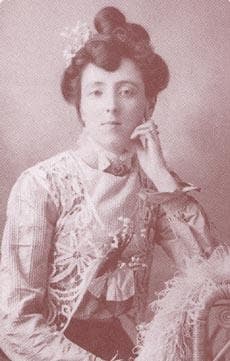
Biography coming soon.

Dan Gemeinhart
4.5

Kate O'Hearn
4.4

Jeanne Birdsall
4.4

Jen Wang
4.4

Wendelin Van Draanen
4.3

John Marsden
4.3

Chris Van Allsburg
4.3

Jennifer A. Nielsen
4.2