“Tomorrow is always fresh, with no mistakes in it.”
— Anne says this to Marilla after making a mistake, expressing her optimism.

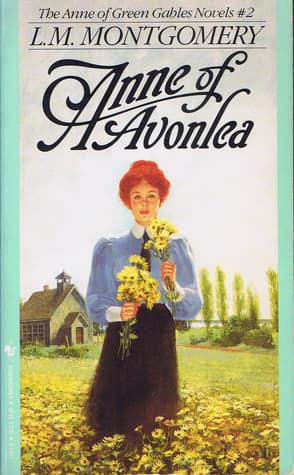
L.M. Montgomery (2009)
Genre
Children's / Historical Fiction / Young Adult / Romance
Reading Time
360 min
Key Themes
See below
Sign in to track this book
Anne Shirley, a new schoolteacher in Avonlea, handles the funny and heartfelt parts of growing up, meddling in romances, taking in new orphans, and figuring out a handsome doctor-to-be's confusing feelings, all while her red hair and temper stay wild.
At sixteen, Anne Shirley prepares to start her new job as the schoolteacher of Avonlea. She had dreamed of going to Redmond College, but she chose to stay at Green Gables to help Marilla Cuthbert after Matthew's death and Marilla's worsening eyesight. Her first day at school is both exciting and scary. She quickly learns that teaching is much harder than she thought, especially with playful students like Anthony Pye and the spirited Paul Irving. Anne tries to inspire her students with imagination and a love for learning, often using unusual methods that sometimes lead to funny mistakes but eventually make most children and the community like her.
Marilla learns that her distant relative, Mrs. Thomas Keith, has died, leaving behind her twin children, Dora and Davy. Marilla, feeling a sense of duty and wanting children in the quiet Green Gables, decides to take them in. Dora is well-behaved, practical, and somewhat unexciting, while Davy is a loud, mischievous, and imaginative boy who constantly gets into trouble. His antics and honest comments often frustrate Marilla and Anne, but also bring much laughter and life to the old farmhouse. Anne takes on a big part in Davy's upbringing, trying to teach the spirited boy discipline and good manners, which is a continuous and often funny challenge.
Anne, Diana Barry, Gilbert Blythe, and Fred Wright, along with other young people, form the Avonlea Village Improvement Society (A.V.I.S.). Their goal is to make their village more beautiful. Their first big project is to repaint the old town hall, which they do with Mr. Harrison's help, despite a funny mix-up with blue paint. They also plant trees and clear weeds, facing different problems and funny situations along the way. The A.V.I.S. becomes a main social place for the young adults, building friendships and letting Anne use her leadership and imaginative ideas, even if not all plans work out perfectly.
A new neighbor, Mr. Harrison, moves into the house next to Green Gables. He is a gruff, blunt man with a talking parrot named Ginger, who can repeat Mr. Harrison's most critical comments. At first, Anne is quite offended by Mr. Harrison's bluntness and Ginger's rudeness. However, over time, she and Marilla start to see past his rough outside and find a kind heart underneath. Mr. Harrison becomes a regular part of their lives, offering unexpected advice and help, and his parrot's antics provide much amusement, often at Mr. Harrison's own expense or that of other villagers.
Among Anne's students, Paul Irving stands out as a similar spirit. He is an American boy living with his grandmother while his father is away. Paul has a rich imagination, a sensitive nature, and a unique way of speaking, much like Anne did when she was a child. Anne sees this spark in him and encourages his creativity, forming a deep bond with the boy. Paul often shares his whimsical observations and stories with Anne, finding in her a teacher who truly understands and values his imaginative world, unlike many of the more practical adults in Avonlea.
Throughout Anne's two years of teaching, Gilbert Blythe remains a steady and supportive friend. He often walks her home, helps with school projects, and takes part in A.V.I.S. activities. It becomes clear to everyone around them, including Diana Barry and even some students, that Gilbert has strong romantic feelings for Anne. However, Anne, busy with her teaching duties, her commitment to Marilla, and her own young ideas of romance, largely misses the depth of Gilbert's feelings, or chooses to see it as just friendship, to Gilbert's quiet frustration.
Anne and Miss Cornelia Bryant, a sharp-tongued but kind-hearted spinster from Newbridge, both decide to set up Anthony Pye's older sister, Eliza, who seems engaged to a boring farmer. Anne, believing Eliza is in love with a young minister, tries to subtly encourage that match. At the same time, Miss Cornelia, with her own ideas about suitable partners, also gets involved. Their well-meaning but mistaken efforts lead to confusion and almost ruin the actual, though quiet, romance Eliza was having. The incident shows Anne's remaining youthful tendency to interfere and romanticize situations, and the complexities of adult relationships.
Davy Keith's lively nature ensures that life at Green Gables is never boring. His adventures range from losing his boots in a swamp to accidentally dyeing a cat green, and his honest, often funny, questions about life and death constantly challenge Anne and Marilla. While his antics are often frustrating, Anne grows to like the boy, seeing his good heart beneath the mischief. Through Davy, Anne learns patience, gentle guidance, and the deep joy that comes from caring for a child, even a difficult one, strengthening her maternal feelings.
Paul Irving's father, Mr. Irving, returns from his travels. He is a kind and cultured man who quickly sees Anne's good influence on his son. He thanks Anne and admires her teaching methods and unique spirit. Mr. Irving, a widower, eventually asks Anne to marry him. This proposal makes Anne think about her future, her commitment to Green Gables, and her own romantic ideas. While she is flattered and respects Mr. Irving, Anne declines his offer, realizing that her heart is not with him, and that her path is still unfolding in Avonlea.
The Avonlea community gets scarlet fever, and Gilbert Blythe gets very sick. The news makes Anne very worried and sad. During his critical condition, Anne has to face the true depth of her feelings for Gilbert. She realizes that her feelings for him are much deeper than just friendship, and that the idea of losing him is unbearable. She prays earnestly for his recovery, understanding that her future happiness is connected to his. When Gilbert finally recovers, Anne's view of their relationship changes forever.
After Gilbert's recovery, Anne and Gilbert have a heartfelt talk. Anne admits her deep feelings for him, thanking him for his steady friendship and her relief at his recovery. Gilbert, in turn, tells her about his long-standing love for her. They decide to set aside their romantic feelings for now, agreeing to focus on their education. Both Anne and Gilbert plan to attend Redmond College in the fall, together, starting a new chapter in their lives where their studies and growing romance will combine, finally putting them on a clear path towards a shared future.
The Protagonist
Anne transitions from a dreamy girl to a responsible young woman, learning patience and confronting her romantic feelings, ultimately choosing a path of education and acknowledging her love for Gilbert.
The Supporting
Marilla further embraces her maternal role, finding joy and challenge in raising Davy and Dora, demonstrating her continued emotional growth.
The Supporting
Gilbert remains a devoted friend and admirer of Anne, patiently waiting for her to recognize his love, which she finally does after his illness.
The Supporting
Diana embraces married life and continues to be Anne's closest friend, providing a stable contrast to Anne's more adventurous spirit.
The Supporting
Davy brings chaos and joy to Green Gables, learning lessons in manners and discipline from Anne and Marilla, while retaining his spirited nature.
The Supporting
Dora remains consistently well-behaved, embodying quiet goodness and providing a foil to her brother's mischief.
The Supporting
Mr. Harrison transforms from an initially rude neighbor to a valued, if eccentric, friend of Anne and Marilla, revealing his underlying kindness.
The Supporting
Paul flourishes under Anne's tutelage, finding a teacher who understands and encourages his imaginative spirit.
The Supporting
Miss Cornelia continues to be a colorful and opinionated, yet ultimately benevolent, presence in Anne's life and the Avonlea community.
Anne of Avonlea mainly explores Anne's journey from a spirited girl to a responsible young woman. As a teacher, she deals with leadership, discipline, and nurturing young minds, moving past her own childhood fantasies. Her decision to stay at Green Gables out of duty, her care for Davy and Dora, and her eventual recognition of mature love for Gilbert all show important steps in her growth. The book shows the details of adult responsibilities and the bittersweet process of losing youthful innocence.
“"The world was a good and beautiful place, but Anne was no longer a child to dream in it. She was a woman, with a woman's work to do, and a woman's heart to love."”
A main theme is Anne's sense of duty and the sacrifices she makes for those she loves. She delays her dream of going to Redmond College to stay with Marilla, showing her deep loyalty and thanks. Her commitment to teaching and her patience with Davy and Dora further show her willingness to put others' needs before her own desires. These acts of sacrifice are not shown as burdens but as ways to personal growth and deeper happiness, showing that true happiness often comes from selfless devotion.
“"A bend in the road is not the end of the road... Unless you fail to make the turn."”
Anne's imaginative spirit, a main part of her character, now goes into her job as an educator. She tries to inspire her students, especially Paul Irving, to see beauty and wonder in the world, believing that imagination is important for learning and living fully. The A.V.I.S. also shows this theme, as Anne and her friends use their shared vision to make Avonlea more beautiful. The book celebrates how education can change things, not just academically, but in encouraging creativity, understanding, and a love for life.
“"Blessed are they who see beautiful things in humble places where other people see nothing."”
The novel looks at different kinds of love: the deepening family love between Anne and Marilla, the challenging but rewarding love for the mischievous Davy, the steady friendship between Anne and Diana, and the growing romantic love between Anne and Gilbert. Anne's first unawareness of Gilbert's feelings and her eventual realization during his illness show the development of a mature romantic understanding. The book suggests that love, whether family, platonic, or romantic, is a complex, changing force that makes life richer and requires self-awareness.
“"I've discovered that it's not what the world holds for you, it's what you bring to it."”
Having found her place at Green Gables, Anne now actively helps the wider Avonlea community. Her involvement in the A.V.I.S. shows her commitment to improving her surroundings and building local pride. The interactions with various villagers, from the eccentric Mr. Harrison to the well-meaning Miss Cornelia, show how connected small-town life is. Anne's role as a teacher further strengthens her position as a respected and loved member of Avonlea, reinforcing the theme of finding one's purpose and belonging within a supportive community.
“"It's not what you'd call a handsome village, but it's home, and there's a good deal of comfort in that."”
The Avonlea schoolroom reflects the broader challenges and joys of community life.
The Avonlea schoolroom serves as a microcosm of society, where Anne, as the new teacher, encounters a diverse group of personalities, from the boisterous Anthony Pye to the imaginative Paul Irving. Her experiences in managing her students, inspiring them, and dealing with their conflicts and triumphs mirror the larger social dynamics and responsibilities she faces in the Avonlea community. It's a testing ground for her leadership, patience, and ability to connect with others, showcasing her growth as an adult figure.
A community organization symbolizing collective effort and youthful idealism.
The A.V.I.S. is a plot device that allows Anne and her friends to actively shape their community. It provides a platform for their idealism, creativity, and collaborative spirit. Through its projects, such as repainting the town hall and planting trees, the society generates both humorous mishaps and genuine improvements. It symbolizes the power of collective action and the desire of the younger generation to contribute meaningfully to their home, while also serving as a setting for character interactions and lighthearted conflict.
The twin orphans serve as catalysts for Anne and Marilla's emotional growth and introduce comic relief.
The arrival of Davy and Dora at Green Gables acts as a significant catalyst for the emotional development of both Anne and Marilla. Davy, with his boundless mischief and candid remarks, constantly challenges Anne's patience and maternal instincts, forcing her to learn new strategies for guidance and discipline. Dora, by contrast, highlights the variety of childhood personalities. Together, the twins bring new life, humor, and a renewed sense of purpose to Green Gables, deepening the themes of family, responsibility, and unconditional love.
A dramatic turning point that forces Anne to acknowledge her true feelings.
Gilbert Blythe's near-fatal bout with scarlet fever serves as a crucial plot device, a moment of crisis that forces Anne to confront the true depth of her feelings for him. Up until this point, Anne has been largely oblivious to or in denial of her romantic love for Gilbert, viewing him primarily as a friend and intellectual peer. His illness and the fear of losing him shatters her romantic ideals and reveals the profound, undeniable affection she holds for him, paving the way for their eventual understanding and commitment.
“Tomorrow is always fresh, with no mistakes in it.”
— Anne says this to Marilla after making a mistake, expressing her optimism.
“It's delightful when your imaginations come true, isn't it?”
— Anne reflects on her dreams becoming reality in Avonlea.
“Kindred spirits are not so scarce as I used to think. It's splendid to find out there are so many of them in the world.”
— Anne realizes she has found many like-minded friends in Avonlea.
“I'm not a bit changed—not really. I'm only just pruned down and branched out. The real me—back here—is just the same.”
— Anne reassures Marilla that growing up hasn't changed her core self.
“There's such a lot of different Annes in me. I sometimes think that is why I'm such a troublesome person. If I was just the one Anne it would be ever so much more comfortable, but then it wouldn't be half so interesting.”
— Anne muses on her multifaceted personality to Marilla.
“One can't get over the habit of being a little girl all at once.”
— Anne comments on the challenges of transitioning to adulthood.
“I've done my best, and I begin to understand what is meant by 'the joy of strife'. Next to trying and winning, the best thing is trying and failing.”
— Anne reflects on her efforts as a teacher, despite setbacks.
“After all, I believe the nicest and sweetest days are not those on which anything very splendid or wonderful or exciting happens but just those that bring simple little pleasures, following one another softly, like pearls slipping off a string.”
— Anne shares her appreciation for simple joys with Marilla.
“It's all very well to read about sorrows and imagine yourself living through them heroically, but it's not so nice when you really come to have them, is it?”
— Anne reflects on the difference between imagination and reality.
“I don't know what lies around the bend, but I'm going to believe that the best does.”
— Anne expresses her hopeful outlook on the future.
“We pay a price for everything we get or take in this world; and although ambitions are well worth having, they are not to be cheaply won.”
— Anne learns about the costs of pursuing dreams as a teacher.
“Life is worth living as long as there's a laugh in it.”
— Anne finds humor and joy even in difficult situations.
“I'm so glad I live in a world where there are Octobers.”
— Anne expresses her love for the beauty of autumn in Avonlea.
“When I think something nice is going to happen I seem to fly right up on the wings of anticipation.”
— Anne describes her excitement for future possibilities.
Ready to see how well you understood this book? Take our interactive quiz with 10 questions.
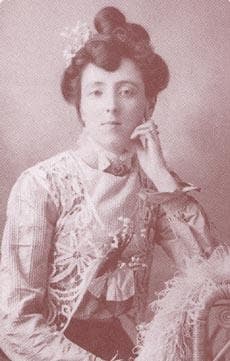
Biography coming soon.

Dan Gemeinhart
4.5

Kate O'Hearn
4.4
Jeanne Birdsall
4.4

Jen Wang
4.4

Wendelin Van Draanen
4.3

John Marsden
4.3

Chris Van Allsburg
4.3
Jennifer A. Nielsen
4.2