“There are some things in life, in love, you're not supposed to get over. And the only thing worse than not getting over them is pretending you have.”
— Einar's enduring grief over his son's death and his wife's departure.

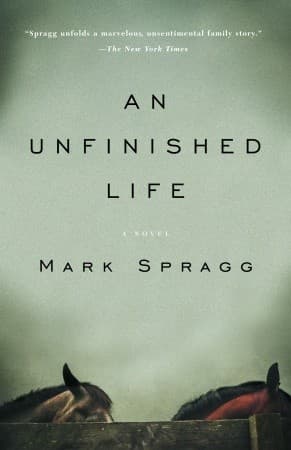
Mark Spragg (2004)
Genre
Literary Fiction / Relationships
Reading Time
9-10 hours
Key Themes
See below
Sign in to track this book
In rural Wyoming, an estranged daughter-in-law and her granddaughter seek refuge with a bitter rancher, forcing them to confront old hurts and build an unexpected family.
Jean Gilkyson, a single mother, flees her abusive boyfriend, Roy, in Iowa. She takes her ten-year-old daughter, Griff, and heads west. Her only option is the remote ranch of Einar Gilkyson in Ishawooa, Wyoming. Einar, an aging rancher, is her former father-in-law and blames Jean for the death of his son and her husband, Griffin, in a car accident years ago. Despite the tension and Einar's coldness, Jean has nowhere else to go. Griff, at first unsure, slowly warms to the ranch and its people.
Einar Gilkyson's life centers on the ranch and caring for his best friend, Mitch Bradley. Mitch was badly mauled by a grizzly bear years ago, and Einar feels great guilt, believing he could have stopped it. Mitch is now in a wheelchair, his body twisted and mind often unclear, needing Einar's help for basic tasks. This daily care, with Einar's own pain from the bear attack, forms the quiet background of their lives, showing their long friendship and Einar's sense of duty.
Unlike her mother, Griff quickly takes to Einar's wild ranch world. She loves the animals, especially the barn cats and horses, and finds freedom in Wyoming's open spaces. She starts to connect with Einar in small ways, watching his routines and even helping with chores. Her simple curiosity and strong spirit begin to break through Einar's tough exterior. She forms a special bond with Mitch, who responds well to her presence despite his injuries. The ranch gives Griff a stability and home she has rarely known.
Jean struggles daily with Einar's bitter resentment and constant blame for his son's death. She tries to find work in town, taking a job at a local diner, hoping to gain some independence and provide for Griff. The tension between them is always there, with Einar often making sharp comments about her past choices. Jean carries her own guilt and sadness over Griffin's death and the hard years after. She wants to protect Griff from more harm and is wary of Einar's influence, even as she sees the stability the ranch offers her daughter.
Just as Jean and Griff begin a fragile routine, the threat of Roy, Jean's violent ex-boyfriend, appears. Jean gets unsettling phone calls and sees signs that he is looking for her. This brings back her fear. She tries to keep this from Einar, not wanting to give him more reasons to criticize her or complicate their strained relationship. However, Roy's coming presence darkens their new, though uncertain, peace at the ranch, making Jean think about how she will protect Griff.
A key plot point comes with news that the same grizzly bear that mauled Mitch years ago has been seen again. This news deeply affects Einar, bringing back traumatic memories of the attack and his lasting guilt. He becomes focused on the bear, feeling a strong need to face it, not just for revenge but to confront his own past and the unresolved grief over Mitch's suffering and Griffin's death. The bear becomes a symbol of the wild forces that have shaped their lives, both destructive and, in a strange way, healing.
During an intense talk, Einar finally confronts Jean about Griffin's death. He reveals that Griffin, driving drunk, purposely swerved the car, causing the fatal accident, and that Jean had tried to stop him. This truth breaks Jean's long-held guilt and Einar's wrong blame. The truth, though painful, creates a vital moment in their relationship, opening the door for forgiveness. Einar begins to see Jean not as the cause of his son's death, but as a victim of it, like himself, finally starting to heal old hurts.
Roy eventually finds Jean and Griff at the ranch, arriving with bad intentions. He confronts Jean, demanding she return with him. Einar, despite his age and injuries, steps in to protect Jean and Griff. A violent fight happens between Einar and Roy, during which Einar is badly beaten. This event makes Einar fully take on his protective role towards Jean and Griff, strengthening the family bond that has been forming. The confrontation shows the dangers Jean has faced and Einar's ability to love and be loyal, even to those he once resented.
After the fight with Roy, and with a new sense of purpose, Einar decides it is time to confront the grizzly bear. He asks for Jean's help, despite her fear, to track the animal. This shared mission becomes a symbolic journey for both of them, a way to face their past traumas and find closure. Einar sees this as his final act of making amends for Mitch and a way to regain some control over the forces that have shaped his life. The hunt takes them deep into the wilderness, where they must face not only the bear but also their own weaknesses.
Einar finally sees the grizzly bear. In a moment of deep personal understanding, he chooses not to kill the animal, but to let it go, finding peace in this act of mercy and acceptance rather than revenge. This decision shows his healing and acceptance of his past. With Roy gone and the truth about Griffin's death known, Jean and Einar's relationship changes. They start to rebuild their lives at the ranch, with Griff doing well in her new home. The family, though marked by their experiences, finds a way forward, joined by understanding, forgiveness, and an deep, unusual love.
The Protagonist
Einar gradually moves from bitterness and blame to understanding and forgiveness, finding peace and a renewed sense of family.
The Protagonist
Jean confronts her past traumas and finds forgiveness and a sense of belonging within a newfound family.
The Supporting
Griff finds a stable home and a sense of belonging, developing a strong bond with her grandfather and the ranch.
The Supporting
Mitch remains largely static in his physical condition but serves as a catalyst for Einar's emotional arc.
The Antagonist
Roy's actions escalate the plot, forcing the protagonists to unite against him before he is ultimately driven away.
The Mentioned
Though deceased, the revelation of Griffin's true role in his death drives the plot's central conflict and resolution.
The novel looks closely at the difficult path to forgiveness, especially between Einar and Jean. Einar's decades of blaming Jean for his son's death created a wide gap between them. The slow reveal of the truth about Griffin's drunk driving and Jean's attempts to stop him is important. This truth allows Einar to let go of his anger and Jean to shed her guilt, leading to a hard-won peace that is at the heart of the story, ending with their united stand against Roy and shared search for the bear.
““Forgiveness isn’t a one-time thing, it’s a process.””
Both Einar and Jean are deeply affected by guilt and grief. Einar carries the weight of Mitch's bear attack and his son's death, leading to his isolation and bitterness. He feels responsible for Mitch's pain and blames Jean for Griffin's accident. Jean, in turn, carries the guilt of Griffin's death and the trauma of her abusive relationships. The story carefully shows how these burdens appear, with Einar's constant care for Mitch and Jean's escape from Roy, and how facing these feelings is key to healing.
““He’d carried the weight of it, the bear, the boy, for so long that it had become a part of him, like bone.””
At its heart, the novel is about finding and rebuilding family in unexpected ways. Jean and Griff arrive at Einar's ranch as strangers, seeking only safety. Despite the initial hostility, Griff's innocence and the shared problems, especially Roy's threat, slowly create a new, unusual family. The ranch itself becomes a symbol of belonging, especially for Griff, offering a stability she has never known. The story stresses that family is not just blood, but shared experience, loyalty, and the will to protect one another, as seen when Einar defends Jean and Griff from Roy.
““Family was a messy, complicated thing, but it was all they had.””
The harsh, beautiful Wyoming landscape and its wildlife, especially the grizzly bear, are a strong background and theme. The bear represents the wild, unpredictable parts of nature that can cause great harm, as seen in Mitch's mauling. For Einar, the bear is also a symbol of his past trauma and a force he feels he must confront, not just for revenge but for a sense of closure. His choice to spare the bear shows his healing and acceptance of life's uncontrollable aspects and his own recovery, showing a change from fighting nature to finding peace within it.
““The land didn’t care about your sorrow. It just was.””
A symbolic antagonist and catalyst for Einar's emotional journey.
The grizzly bear that mauled Mitch years ago serves as a powerful symbol throughout the novel. Initially, it represents Einar's guilt, the untamed brutality of nature, and the unresolved trauma of Mitch's injury. Its reappearance in the story acts as a catalyst, reigniting Einar's obsession and driving his personal quest for closure. The bear embodies the wild, uncontrollable aspects of life and fate that have shaped Einar's existence. His final, redemptive encounter with the bear, where he chooses not to kill it, signifies his release from vengeance and his acceptance of the past.
A critical revelation that unlocks forgiveness and reconciliation.
The withheld truth about Griffin Gilkyson's death is a central plot device. For years, Einar has blamed Jean, perpetuating his bitterness and their estrangement. The gradual revelation that Griffin was driving drunk and deliberately caused the accident, and that Jean had tried to stop him, is the pivotal moment for both Einar and Jean. This narrative device shifts the blame, allowing Einar to finally forgive Jean and release his own misplaced guilt, and enabling Jean to shed her long-held burden. It is the key that unlocks their reconciliation and allows the family to begin healing.
A constant, physical manifestation of Einar's guilt and responsibility.
Mitch's severely injured and dependent state serves as a powerful, ever-present plot device. His physical limitations and need for constant care are a daily reminder to Einar of the bear attack and his perceived failure to protect his friend, fueling Einar's profound guilt. Mitch's quiet suffering and dependence underscore Einar's deep sense of loyalty and responsibility. His presence forces Einar to confront the consequences of his past actions and provides a tangible measure of Einar's capacity for unwavering care and devotion, even amidst his own emotional turmoil.
A symbolic backdrop for isolation, resilience, and eventual belonging.
The remote Wyoming ranch is more than just a setting; it functions as a character and a plot device. Its isolation mirrors Einar's emotional solitude and the initial estrangement of the family. The harsh yet beautiful landscape embodies resilience and the untamed aspects of life. For Griff, the ranch offers a sense of freedom and belonging she's never had, becoming a sanctuary from her traumatic past. The ranch provides a crucible where the family's conflicts are played out and ultimately resolved, becoming the foundation for their new, reconciled life together.
“There are some things in life, in love, you're not supposed to get over. And the only thing worse than not getting over them is pretending you have.”
— Einar's enduring grief over his son's death and his wife's departure.
“Every man carries a wound. I am a wounded man. But I am not a dead man. I am not a broken man.”
— Einar's internal struggle and resilience despite his past traumas.
“Sometimes the only way to heal a wound is to stop picking at it.”
— Jean's perspective on moving forward from difficult situations.
“The past is a stubborn thing. It doesn't just go away because you want it to.”
— The characters dealing with unresolved issues from their shared history.
“Maybe love isn't about perfect. Maybe it's about not giving up, even when it is.”
— Jean's evolving understanding of relationships and commitment.
“There's a difference between being alone and being lonely. You can be one without being the other.”
— Einar's isolated existence and the arrival of his granddaughter.
“Sometimes the hardest thing to do is forgive yourself.”
— Characters grappling with their own mistakes and self-blame.
“Hope is a dangerous thing. It can make you believe in things that aren't real.”
— Einar's cynical view on life after experiencing significant loss.
“Family is not just blood. It's who you choose to let into your life, who you care for.”
— The formation of new familial bonds between the characters.
“You can't outrun your past. It always catches up to you, one way or another.”
— Mitch's attempts to escape his violent past and the consequences.
“It's a strange thing, isn't it? How life just keeps going, even when you think it shouldn't.”
— The characters' resilience in the face of ongoing challenges.
“Sometimes the greatest strength is knowing when to ask for help.”
— The characters learning to rely on each other.
“Silence can be louder than any scream.”
— The unspoken tensions and emotions between Einar and Jean.
“An unfinished life is not a wasted one. It's just waiting for the next chapter.”
— The overarching theme of the book, suggesting hope and continuation.
Ready to see how well you understood this book? Take our interactive quiz with 10 questions.