“The past, after all, was like a house in which one had once lived; it was not a place to return to, but a place to remember from afar.”
— Catherine's reflection on her past and the impossibility of truly going back.

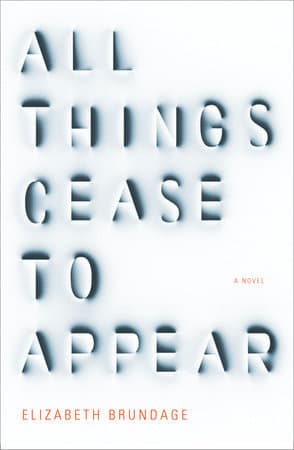
Elizabeth Brundage (2016)
Genre
Literary Fiction / Thriller / Mystery
Reading Time
10-12 hours
Key Themes
See below
Sign in to track this book
In a town marked by an unsolved murder, a professor's wife is found dead, revealing family secrets, old suspicions, and a chilling look at psychopathy that affects a community for decades.
In 1979, George Clare, an art history professor, moves his wife Catherine and young daughter Franny to Chosen, a small, struggling town in upstate New York. George has a job at the nearby Mandible College, a move Catherine dislikes, feeling alone and trapped in their new, old farmhouse, which was once the Hale family's dairy farm. Catherine, an artist, struggles with domestic life and George's condescending attitude. The townspeople are wary of the Clares, seeing them as part of the wealthy outsiders. George's career goals and his demanding, self-centered personality immediately cause problems in the family and with locals.
On a cold winter afternoon, George Clare comes home to find Catherine murdered in their bed. Their three-year-old daughter, Franny, is alone in her room, unharmed but shaken. State Trooper Cole, a local officer, immediately suspects George, noting his calm manner and lack of real sadness. The murder shocks the quiet community, highlighting the gap between old residents and college newcomers. George's alibi is weak, and his controlling nature becomes clear during the initial investigation. However, his rich and powerful parents quickly arrive to protect him, making it harder for Cole to build a case.
The farmhouse the Clares live in was once the Hale family's home. After a tragic accident years before, the three Hale brothers—Eddie, Wade, and Cole—were orphaned. Eddie, the oldest, became troubled, while Wade struggled with his own problems. Cole, the youngest, was adopted by the local sheriff and became State Trooper Cole, the investigator of Catherine's murder. The brothers carry the weight of their family's past and the loss of their farm. The Clares' presence in their old home brings up old hurts and resentments, creating tension and suspicion that connects the Hale family's history with the current tragedy.
After Catherine's murder, Franny is deeply traumatized. She often talks about "the bad man" and shows signs of severe emotional distress, often drawing disturbing pictures. George, however, remains distant and focused on himself, showing little real concern for Franny's mental state. He quickly sends her to live with his parents, prioritizing his career and social standing over his daughter's needs. This emotional neglect further isolates Franny and strengthens Trooper Cole's suspicions about George. Cole sees the clear difference between a father's expected grief and George's self-preservation.
Justine, a young student at Mandible College, becomes obsessed with George Clare. She sees him as a romantic, troubled figure, despite the murder accusation. Her obsession leads her to seek out George, offering him comfort and support. Their relationship, which quickly turns sexual, is an illicit affair that further isolates George and fuels gossip. Justine's innocence and desire to believe in George's innocence blind her to his manipulative nature, making her a tool in his self-serving story and showing his ability to charm and exploit others for his own benefit, even during a murder investigation.
Catherine Clare's murder shows the social and economic divisions in Chosen. The wealthy, educated faculty of Mandible College clash with the working-class, long-time residents. The investigation uncovers secrets, resentments, and hidden affairs among the townspeople. Trooper Cole's investigation is hindered not only by George's parents but also by the reluctance of locals, who hold their own grudges and protect their own. The town's seemingly perfect appearance crumbles, revealing a darker side of poverty, desperation, and moral compromise that complicates the search for truth.
The Hale brothers continue to struggle with their family's past and the loss of their farm. Eddie Hale, still full of bitterness and anger, drifts through life, often involved in minor crimes and violence. Wade Hale battles mental health issues and addiction, unable to escape their past. Trooper Cole, despite his career success, is haunted by his family's history and his inability to fully connect with his brothers. Catherine Clare's murder in their childhood home reawakens their pain and trauma, drawing them back to a place they had tried to leave, and showing how suffering repeats in Chosen.
Despite suspicions about Catherine's murder, George Clare's career thrives. He becomes a successful art historian, publishing acclaimed books and getting tenure at a respected university. He remarries, has more children, and maintains an image of academic brilliance and culture. This apparent freedom from consequences deeply frustrates Trooper Cole, who still believes George is guilty but lacks clear evidence. George's ability to move on and succeed, while Catherine is a forgotten victim and Franny carries her trauma, highlights the injustice and limits of the legal system in fully addressing moral blame.
As an adult, Franny Clare, still dealing with fragmented memories of her childhood trauma, actively searches for the truth about her mother's murder. She looks at old police reports, newspaper clippings, and her own repressed memories. Franny's search for understanding is driven by a deep need for closure and justice for her mother. Her journey brings her back to Chosen and into contact with the past, including Trooper Cole, who shares her desire for the truth. Her artistic talents, inherited from Catherine, help her process her grief and reconstruct the events of that day, leading her closer to the shocking reality.
Through Franny's persistent investigation and a key piece of evidence—a childhood drawing showing a specific detail of the murder scene—the true killer of Catherine Clare is finally revealed. Eddie Hale, consumed by rage and a distorted sense of justice related to the loss of his family home and his own mental instability, was responsible for Catherine's death. He had broken into the Clare farmhouse that night, not specifically targeting Catherine, but driven by a general anger at the "outsiders" who had taken his family's property. The revelation brings a painful, though delayed, form of justice, and also highlights the deep-seated anger and despair that had grown in the community for decades.
The revelation of Eddie Hale as Catherine's murderer provides a long-awaited answer, offering some closure to Franny and Trooper Cole. However, emotional scars remain. Franny must accept that her father, George, was not the killer but was still involved in her mother's suffering and his own moral failures. The Hale brothers must deal with the devastating truth about their oldest sibling. The town of Chosen, though the mystery is solved, must grapple with its own role in the silence and the deep-seated issues that allowed such a tragedy to happen. The novel ends with a sense that while specific truths can be uncovered, human complexities and the lasting effects of trauma continue to cast long shadows.
The Victim/Supporting
Catherine's arc is tragically cut short, but her spirit and her unfulfilled potential continue to influence the characters and the plot long after her death, driving Franny's quest for truth.
The Antagonist/Suspect
George's arc shows his ability to escape immediate consequences and thrive professionally, but he remains morally bankrupt, never truly confronting his own culpability in his wife's unhappiness or his daughter's trauma.
The Protagonist
Franny's arc is one of healing and self-discovery, as she moves from a victim of trauma to an active seeker of truth, ultimately finding a measure of peace through understanding her past.
The Supporting/Protagonist
Cole's arc is one of relentless pursuit of justice, eventually finding the truth decades later, which brings a complex mix of closure and pain, especially regarding his own family.
The Antagonist/Supporting
Eddie's arc is a downward spiral of resentment and violence, culminating in the murder, and his life remains one of unaddressed pain and anger until the truth of his actions is revealed.
The Supporting
Wade's arc is one of enduring struggle and quiet suffering, never fully escaping the trauma of his youth, but he tries to maintain a connection with his brothers.
The Supporting
Justine's arc shows her initial infatuation and subsequent disillusionment as she slowly begins to understand George's true nature, gaining a painful maturity.
The Supporting
Floyd's arc is largely static, serving as a consistent voice of the community's traditional values and skepticism towards outsiders.
The novel shows how secrets, both personal and community-wide, cause great damage over decades. George Clare's hidden narcissism and emotional abuse of Catherine, the Hale brothers' buried trauma from losing their farm and parents, and the town's silence about its class divisions all contribute to the tragedy and its long mystery. Catherine's murder remains a secret for years, harming Franny's childhood and Trooper Cole's professional life. The eventual discovery of Eddie Hale's guilt, a long-kept secret, brings a painful but necessary reckoning, showing how truth, even if delayed, can be freeing, though it leaves scars.
““Secrets were like weeds, always growing, always threatening to choke out the good things.””
The upstate New York setting, especially the old farmhouse and the town of Chosen, is more than a backdrop; it actively shapes the lives of its residents. The isolation of the rural environment makes Catherine's loneliness and George's self-absorption worse. Chosen's economic decline fuels the resentment of locals like the Hale brothers toward wealthy newcomers, contributing to the violence. The farmhouse itself, once a symbol of the Hale family's livelihood, becomes a place of trauma for both families, a physical sign of loss and suffering. The landscape reflects the characters' inner turmoil, mirroring their despair and eventual, fragile hope.
““The house itself seemed to breathe in the cold, a living thing settling into its own decay.””
The novel explores different kinds of evil, from Eddie Hale's clear violence to George Clare's subtle psychological manipulation. George is a high-functioning psychopath: intelligent, charming, and successful, yet completely lacking empathy and capable of deep emotional cruelty toward his wife and daughter. His ability to live seemingly unaffected by the murder, while others suffer, highlights how common and often unpunished some forms of evil are. Eddie's violence, though brutal, comes from deep trauma and resentment, suggesting a different, perhaps more tragic, source for his destructive acts. The book makes readers think about how evil appears in both obvious and subtle ways.
““He was a man who could intellectualize anything, especially his own shortcomings.””
A main theme is the long and often elusive nature of justice. Trooper Cole's decades-long search for Catherine's killer, and Franny's adult quest for truth, highlight the human need for accountability. The novel suggests that justice is not always quick or perfect, and sometimes arrives unexpectedly, decades after the crime. The truth, when it finally appears, is complex and painful, offering a form of closure but not necessarily forgiveness or complete healing. The characters must deal with the limits of the legal system and the lasting impact of trauma, learning that while answers can be found, peace is a more personal and difficult journey.
““Truth was a stubborn thing, slow to reveal itself, but impossible to completely bury.””
The story jumps between different time periods and perspectives.
The novel employs a non-linear narrative structure, moving back and forth between the 1970s when Catherine is murdered, the intervening decades, and the early 2000s when Franny seeks answers. This structure slowly reveals layers of the mystery, character motivations, and the long-term consequences of the events. It allows the reader to piece together the full picture alongside Franny and Cole, building suspense and showing the enduring impact of the past on the present. It also highlights the cyclical nature of trauma and the way history repeats itself.
The story is told through the viewpoints of several key characters.
The narrative shifts between the perspectives of Catherine, George, Franny, Trooper Cole, and other supporting characters like Justine and the Hale brothers. This allows for a comprehensive and nuanced understanding of the events, revealing the inner thoughts, motivations, and biases of each individual. It creates a rich tapestry of interwoven lives and provides different interpretations of the same events, deepening the mystery and challenging the reader's assumptions about who is truly innocent or guilty, and what constitutes justice. This device also emphasizes the subjectivity of truth.
The Clare's home serves as a potent symbol of loss, history, and haunting.
The old Hale farmhouse, where Catherine is murdered and the Clares reside, is a powerful symbol. For the Hale brothers, it represents their lost heritage, their family's decline, and the trauma of their parents' deaths. For Catherine, it embodies her isolation and the decay of her marriage. For Franny, it's the site of her deepest trauma. The house is imbued with the weight of its past, a place where different forms of violence and sorrow converge. Its physical deterioration mirrors the moral decay and emotional distress of the characters, serving as a constant reminder of the unresolved past.
Art, particularly Catherine's drawings and Franny's later work, serves as a crucial element.
Art functions both as a thematic motif and a critical plot device. Catherine's own artistic aspirations are stifled by George, yet her creative spirit endures in Franny. Franny's childhood drawings, initially dismissed as mere childish scrawls, later become a vital clue in solving her mother's murder, revealing repressed memories through artistic expression. George's profession as an art historian also contrasts sharply with his lack of appreciation for genuine human emotion, highlighting the superficiality of his intellectualism. Art, in this novel, becomes a language for unspoken truths and a means of processing trauma.
“The past, after all, was like a house in which one had once lived; it was not a place to return to, but a place to remember from afar.”
— Catherine's reflection on her past and the impossibility of truly going back.
“There was a kind of beauty in the absolute desolation of winter, a stark truth that summer's lushness obscured.”
— The narrator describing the winter landscape of the upstate New York farm.
“Grief, she was learning, wasn't a linear process. It was a labyrinth, and sometimes you found yourself back at the beginning, facing the same monster.”
— Catherine grappling with the death of her husband, George.
“The house had a way of holding onto things, not just objects, but echoes of lives lived within its walls.”
— The characters sensing the lingering presence of past inhabitants in the Hale house.
“It was amazing how much people could hide, even from those they claimed to love the most.”
— Franny's realization about the secrets kept within families.
“Sometimes the greatest evil isn't an act of malice, but an act of profound indifference.”
— A philosophical observation about the nature of evil and human behavior.
“The truth, like a river, always finds a way to the sea, no matter how many dams are built to hold it back.”
— A metaphorical statement about the eventual revelation of secrets.
“Love, she thought, was not a shield against sorrow, but often its very source.”
— Catherine's somber reflection on the pain that can accompany love.
“People always wanted a simple explanation for complicated things, especially when those things involved death.”
— The police and townspeople seeking easy answers to the murder.
“The silence of the house was not empty; it was filled with unspoken words, with the weight of what had happened.”
— The oppressive atmosphere of the Hale house after the tragedy.
“He understood then that some people were like stars, burning brightly but destined to collapse into themselves.”
— A character's observation about the self-destructive nature of another.
“There was a certain cruelty in hope, a way it could buoy you up only to drop you further.”
— A character's cynical view on the deceptive nature of hope.
“The world was full of invisible threads, connecting people and events in ways no one could ever fully comprehend.”
— A reflection on the interconnectedness of fate and human lives.
“Sometimes the most dangerous ghosts were the ones we carried within us.”
— A psychological insight into internal struggles and unresolved issues.
Ready to see how well you understood this book? Take our interactive quiz with 10 questions.







