“My father says the sea is a dangerous beast, but I think she is a beautiful one.”
— Vera's early thoughts on the sea, reflecting her connection to the Aleutian environment.

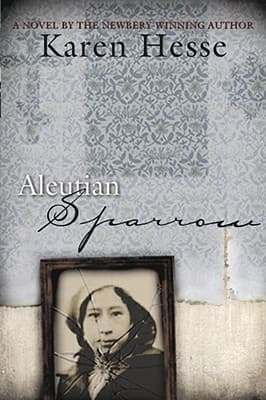
Karen Hesse (2003)
Genre
Children's / Historical Fiction / Young Adult
Reading Time
120 min
Key Themes
See below
Sign in to track this book
In the Aleutian Islands' desolate beauty, young Vera endures the upheaval of World War II, fighting to keep her heritage and community alive during forced relocation to an alien, unforgiving world.
Vera, a young Aleut girl, lives with her family on the remote island of Attu. Life is simple, centered around fishing, hunting, and nature's rhythms. Her father, a skilled hunter, provides for the family, while her mother and grandmother maintain their home and traditions. The community is close, relying on each other for survival and companionship. News of the war, especially the Japanese attack on Pearl Harbor, slowly reaches their isolated world. Though distant, the threat of conflict begins to shadow their peaceful existence, prompting discussions among elders about their future and homeland.
After the Japanese invaded Attu and Kiska in June 1942, American soldiers arrive on Attu to evacuate the native population. Vera and her family, along with the entire Aleut community, have little time to gather belongings. The soldiers are firm, explaining the evacuation is for their safety. Vera watches in confusion and fear as her family packs what they can, leaving behind generations of memories and their homes. The forced relocation is a sudden, traumatic event, tearing them from the only life they have known and severing their deep connection to the land and sea that sustained them. The journey begins with uncertainty and a deep sense of loss.
Vera, her family, and other Aleuts are moved onto a cramped transport ship. The journey is long and hard, marked by rough seas, seasickness, and the emotional toll of displacement. Vera sees the fear and sadness in her elders' faces, especially her grandmother, whose quiet strength begins to waver. The children, at first curious, soon grow restless and fearful. Their unknown destination adds to the anxiety and confusion. They pass other islands, but none are home. The ship's basic conditions and lack of familiar food amplify their distress. This voyage is the physical sign of their forced separation from their ancestral lands.
The ship finally docks at Funter Bay, a former cannery site in Southeast Alaska. Vera and her community are met with a desolate and unwelcoming sight: dilapidated, unheated barracks, poor sanitation, and a stark contrast to their familiar treeless, windswept islands. The dense forest around the camp feels alien and confining. Government officials overseeing the camp are often distant or unsympathetic, struggling to manage the sudden influx of people. Vera's initial hope for a quick return home is shattered as the reality of their internment sets in. The harsh conditions and unfamiliar environment immediately affect the Aleuts' physical and mental well-being.
Life at Funter Bay is a constant struggle. The cold, damp climate, poor nutrition, and crowded living conditions lead to widespread illness, especially tuberculosis and pneumonia, to which the Aleuts have little immunity. Vera sees her people's suffering, including the deaths of many, especially the elderly and young children. Her own family is not spared, and she experiences the fear of sickness firsthand. Despite the hardships, the community tries to keep some traditions, sharing stories and songs, but despair is constant. The lack of proper medical care and some camp administrators' indifference make their situation worse.
Despite the difficult conditions at Funter Bay, the Aleuts work to keep their cultural identity. Vera's grandmother, though weakened, shares traditional stories and teaches Vera about their heritage. The women continue to sew and craft, using any materials they find. The men, despite the unfamiliar environment, try to hunt and fish, adapting their skills to the dense forests and different waters. Music and singing become important ways to express emotion and connect the community. Vera finds comfort in these traditions, drawing strength from her elders' resilience. These acts of cultural preservation are acts of resistance against forces trying to strip them of their identity.
Vera's time at Funter Bay forces her to mature quickly. She sees death, suffering, and her community's deep sadness. The carefree innocence of her childhood on Attu is replaced by a stark understanding of hardship and injustice. She learns to take on more responsibilities, helping her family and contributing to the community's survival. The loss of loved ones, including her grandmother, deeply affects her but also strengthens her resolve. She develops a quiet strength and deep empathy for her people. Her experiences in the camp shape her worldview, giving her a fierce determination to remember and honor her heritage.
Even in the darkest moments at Funter Bay, kindness and community spirit appear. Some camp employees, though few, show genuine compassion, providing extra supplies or advocating for better conditions. The Aleuts themselves show remarkable resilience, supporting each other through grief and sickness. Vera finds comfort in shared laughter and stories, even as they face great challenges. She sees her parents' strength and her people's enduring spirit, which fuels her own hope for the future. These small moments of connection and shared humanity are important for survival, reminding them they are not entirely alone.
As time passes, news of the war's progress, though sporadic, reaches Funter Bay. Finally, the announcement of the war's end brings a mix of relief and renewed worry. While the immediate threat of conflict is over, the question of returning home becomes most important. Many Aleuts' homes on Attu and other islands have been destroyed or are uninhabitable. The government is slow to arrange their return, and the logistics are complex. Vera and her family, along with the entire community, deal with this news's implications. The joy of the war's end is tempered by the daunting reality of rebuilding their lives and reclaiming their ancestral lands.
After a long period of uncertainty, arrangements are finally made for the Aleuts to return to their islands. However, they do not return to the homes they left. Attu, in particular, is largely uninhabitable due to war destruction. Many Aleuts are resettled on other islands, or in communities that are not their original homes. Vera and her family face the daunting task of rebuilding their lives from scratch, carrying the heavy burden of their internment experiences and the loss of so many. The physical journey home is just the beginning of a longer, more emotional journey of healing and reconstruction, forever marked by displacement trauma and their resilient spirit.
The Protagonist
Vera transforms from an innocent child to a resilient young woman, deeply marked by loss but committed to preserving her heritage.
The Supporting
He struggles with the loss of his traditional role and the powerlessness of internment, yet perseveres as a steadfast protector of his family.
The Supporting
She maintains her nurturing role despite immense hardship, adapting to new challenges while preserving family stability.
The Supporting
She slowly weakens under the camp's conditions but remains a powerful spiritual and cultural anchor for Vera and the community until her passing.
The Antagonistic/Mentioned
They remain largely static, representing the indifferent government authority that imposes the internment.
The Supporting
They collectively endure hardship and loss, demonstrating profound resilience and the enduring strength of community.
The Supporting
They offer brief but meaningful moments of kindness and support, highlighting individual empathy amidst systemic neglect.
The main theme is the deep loss the Aleuts experienced—the physical loss of their ancestral homes, the cultural loss of their traditional way of life, and the emotional loss of dignity and belonging. Vera's early descriptions of Attu show it as the center of their world, a place tied to their identity. The forced evacuation and the alien environment of Funter Bay strip them of this connection, leading to a deep sense of displacement and cultural disorientation. The dilapidated barracks and unfamiliar forest at Funter Bay contrast sharply with their open, windswept islands, symbolizing this profound break. This theme is clear in the elders' constant longing for home and the difficulties in maintaining traditions away from their natural setting.
“We were a people of the sea, and the forest swallowed us whole.”
Despite great suffering, the Aleuts show extraordinary resilience. This theme is clear in their efforts to keep cultural practices, such as storytelling, singing, and traditional crafts, even in the worst conditions. Vera's grandmother, though physically weakened, remains a strong symbol of this resilience, continuing to share wisdom and stories. The community's mutual support, sharing scarce resources, and comforting one another in grief highlight their enduring spirit. Vera herself embodies this, growing from a naive child to a strong, empathetic young woman who can cope with deep loss. Their ability to find small joys and continue living, even when faced with death and despair, shows a strong will to survive and preserve their heritage.
“We learned to live with what was given, and to remember what was taken.”
The story highlights the injustice of the Aleuts' forced relocation and the neglect they faced at Funter Bay. The American government, for national security, uprooted an entire indigenous population without adequate provision or respect for their rights. The terrible conditions of the internment camps—poor housing, sanitation, and medical care—led to widespread sickness and death. This theme is shown not with overt anger but through the characters' quiet suffering and the stark contrast between their needs and the government's response. The lack of transparency and the slow, often indifferent, process of their eventual return further emphasize this systemic neglect, revealing a painful part of American history.
“They took our land, then they took our lives, a little at a time.”
Remembering and preserving cultural heritage is a vital theme. For Vera and her community, their identity is deeply connected to their history, stories, and traditions. Vera's grandmother plays a key role in passing down these memories, ensuring the younger generation does not forget where they come from. Despite attempts to strip them of their culture in the camps, acts of storytelling, singing, and traditional crafting become strong forms of resistance and connection to their past. The book itself helps ensure the Aleut experience during WWII is not forgotten. This theme emphasizes that even when a physical home is lost, cultural memory can provide a spiritual anchor.
“A people without memory is a bird without wings.”
The story is told entirely from the perspective of young Vera.
By employing a first-person narrative through Vera's eyes, the author provides an intimate and immediate account of the Aleut experience. Vera's perspective allows the reader to witness the events of the evacuation and internment with a child's blend of innocence, confusion, and growing understanding. This device makes the traumatic events more personal and relatable, focusing on the emotional impact rather than political or military details. Her observations, though sometimes naive, carry a powerful emotional weight, drawing the reader into the heart of the Aleut community's suffering and resilience.
The contrasting environments symbolize freedom/home versus confinement/alienation.
The stark contrast between the treeless, open Aleutian Islands and the dense, dark forests of Southeast Alaska serves as a powerful symbol. The islands represent home, freedom, tradition, and a deep connection to nature for the Aleut people. The forest, on the other hand, symbolizes their confinement, the alien environment of the internment camp, and the claustrophobia of their new reality. This geographical contrast effectively highlights the profound displacement and cultural disorientation experienced by the Aleuts, emphasizing how deeply their identity is tied to their native landscape and how profoundly they suffered in its absence.
Stories and songs are used to preserve cultural heritage and provide comfort.
The act of storytelling and singing serves as a vital plot device for maintaining cultural identity and providing emotional solace. Vera's grandmother is the primary vehicle for this, sharing traditional Aleut stories and songs that connect the community to their ancestors and their past. These moments of shared narrative and music provide a brief escape from the harsh realities of the camp, offering comfort, teaching moral lessons, and reinforcing their sense of belonging. This device underscores the resilience of culture and the power of narrative in the face of adversity, ensuring that heritage is passed down even when physical traditions are difficult to practice.
The sparrow symbolizes vulnerability, resilience, and the longing for home.
The image of the sparrow, a small, seemingly insignificant bird, serves as a recurring motif. Sparrows are often associated with fragility and vulnerability, reflecting the precarious situation of the Aleut people. However, sparrows are also known for their resilience, adaptability, and ability to survive in harsh conditions, mirroring the Aleuts' own enduring spirit. The sparrow's longing for its nest or home can also symbolize the Aleuts' deep yearning to return to their islands. This motif subtly reinforces the central themes of loss, resilience, and the enduring connection to home.
“My father says the sea is a dangerous beast, but I think she is a beautiful one.”
— Vera's early thoughts on the sea, reflecting her connection to the Aleutian environment.
“The wind always finds a way in, just like the memories.”
— Vera reflecting on the persistent nature of both the weather and her past.
“We were taken from our homes, but not from our hearts.”
— A powerful statement about the Aleut people's spirit despite forced evacuation.
“A bird does not forget its nest, even if it is far away.”
— Vera's longing for her homeland while in the internment camp.
“The hardest part was not knowing. Not knowing if we would ever go home.”
— Vera expressing the emotional toll of uncertainty during internment.
“Sometimes the silence was louder than any storm.”
— Vera describing the oppressive quiet and emotional weight in the camp.
“We carried our stories with us, like the wind carries seeds.”
— Vera on the importance of oral tradition and cultural preservation.
“Hope is a small fire, but it can keep you warm in the longest winter.”
— Vera finding strength and comfort in hope during difficult times.
“Even in the darkest times, the stars still shine.”
— A metaphor for finding beauty and solace amidst hardship.
“The sea remembers. And so do I.”
— Vera's reflection on the enduring nature of memories and the land.
“Our language was a lifeline, a way to hold onto who we were.”
— The importance of the Unangam Tunuu language for cultural identity.
“They took our nets, but they couldn't take our knowledge of the fish.”
— Vera highlighting the innate skills and connection to their traditional life.
“Home is not just a place, it is a feeling. And that feeling travels with you.”
— Vera's evolving understanding of what 'home' truly means.
“The world keeps turning, even when your own world feels like it's stopped.”
— Vera observing the contrast between her personal turmoil and the ongoing world.
Ready to see how well you understood this book? Take our interactive quiz with 10 questions.

Biography coming soon.

Dan Gemeinhart
4.5

Kate O'Hearn
4.4

Jeanne Birdsall
4.4

Jen Wang
4.4

Wendelin Van Draanen
4.3

John Marsden
4.3

Chris Van Allsburg
4.3

Jennifer A. Nielsen
4.2