“After the first death, there is no other.”
— Recurring line reflecting the trauma and finality of death in the novel.

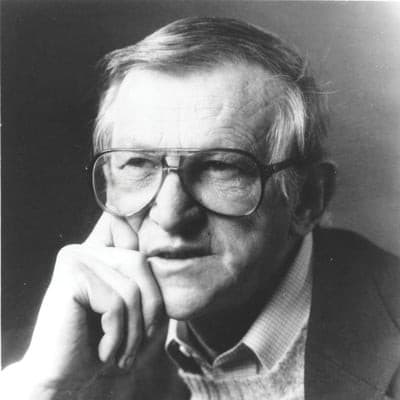
Robert Cormier (1979)
Genre
Thriller / Mystery / Young Adult
Reading Time
240 min
Key Themes
See below
Sign in to track this book
In a political terrorism game, radical teens kidnap children, forcing the general's son into a mission where the line between hero and villain blurs, and every choice leads closer to a tragic death.
The novel opens with Miro, a young, new terrorist, participating in his first major operation: the hijacking of a summer camp bus with twenty-five preschoolers and their two counselors, Kate and Sister Mary. The operation is led by Artkin, a calculating leader, and includes other members like Antibbe and Raymond. Their goal is to exchange the children for the release of fifteen imprisoned terrorists. Miro's task is to guard the children and ensure no one escapes, a responsibility he takes seriously, even as he struggles with the idea of harming innocents. He wants to prove himself to Artkin and the organization.
Ben Marchand, the son of General Marchand, is recruited by his father, a high-ranking military official, for a secret mission. General Marchand, despite his personal dislike for Ben, sees his son's skills and 'invisibility' as ideal for infiltrating the terrorist group. Ben's mission is to deliver a dummy weapon, a 'toy' gun, to the terrorists, which he is told will allow them to be captured without bloodshed. Ben is conflicted, haunted by past failures and his difficult relationship with his father, but accepts the mission, hoping to earn his father's respect and help save the hostages.
Inside the bus, Kate, a young and resourceful counselor, tries to keep the terrified children calm. She discreetly tries to learn about the terrorists and their intentions. Sister Mary, the other counselor, driven by a strong sense of duty and faith, makes a sudden, desperate move to alert authorities by trying to drop a note out the window. Miro immediately notices her action, and under Artkin's orders, shoots and kills her. This shows the terrorists' ruthlessness and sends a message to the remaining hostages and the authorities. This act traumatizes Kate and the children.
After Sister Mary's death, Miro is disturbed by the violence, despite his training. He finds himself drawn to Kate, observing her resilience and compassion for the children. He struggles with the organization's belief that the children are just tools, not individuals. A moment happens when he is ordered to kill a specific child to prove his loyalty. He hesitates, unable to do it, which Artkin sees as weakness. This internal conflict shows the tension between his ingrained ideology and his emerging human empathy.
Ben successfully delivers the package containing the 'toy' gun to the terrorist contact. He believes he has completed his part in a clever, bloodless plan to end the standoff. He feels accomplishment and pride, believing he has done something meaningful and earned his father's approval. However, the reader knows, through General Marchand's thoughts, that Ben is just a pawn in a darker, more cynical strategy, and the 'toy' gun is not what it seems.
General Marchand, wanting to make a statement against terrorism, tells his aide, Sergeant Rilke, his true strategy. He never intended for the terrorists to be captured alive or for the children to be rescued peacefully. The 'toy' gun delivered by Ben is a real, loaded weapon. Marchand's plan is to give the terrorists a weapon, then use their inevitable use of it to justify a violent military assault, eliminating them and sending a message that his side will never negotiate. He sees the children and even his own son as expendable in this larger war.
As the standoff reaches its end, the terrorists, now armed with the weapon Ben delivered, prepare for the military assault. Kate, sensing the danger, makes a plea to Miro. She appeals to his humanity, asking him not to harm the children and to consider the senselessness of their actions. Her words affect Miro, who is already unsure about his commitment to the cause. This interaction increases Miro's internal conflict between his duty and his conscience.
When the military assault begins, Miro, instead of firing on the children as ordered by Artkin, makes a decision. He shoots Artkin, defying his leader and the organization's ideology. At the same time, Ben, seeing the chaos and the military's aggressive actions, realizes with horror that his father manipulated him. He sees the 'toy' gun, now a symbol of his father's betrayal, and understands that he was used to arm the terrorists, making the violent outcome certain. The realization shatters his perception of his father and his own role.
The military assault is swift and brutal. Many terrorists are killed, and some children are harmed in the crossfire. After this, Ben feels guilt and despair. He struggles with the truth that he contributed to the violence and the potential deaths of innocent children. Unable to accept his actions and shattered by his father's manipulation, Ben walks into the path of an oncoming truck, committing suicide. His death is a tragic consequence of the general's strategy and Ben's own internal torment.
Amidst the chaos and the military's operation, Miro escapes the scene. His fate is unclear; he is neither captured nor confirmed dead. His act of shooting Artkin suggests a break from his past, but his future is uncertain. He is a survivor, but now a man without a clear cause or affiliation, having defied his terrorist group. His escape leaves the reader to wonder if he will find redemption or be consumed by the violence he has seen and participated in.
The Protagonist/Antagonist
Miro transforms from a dedicated, if conflicted, terrorist into someone who questions his indoctrination and ultimately defies his leader.
The Protagonist
Ben starts as a hopeful, if insecure, young man seeking redemption, only to end in utter despair and self-destruction after discovering his manipulation.
The Antagonist
His character remains consistently ruthless, revealing the extent of his moral depravity as the plot unfolds.
The Antagonist
Artkin remains a static character, a symbol of unyielding fanaticism, until his demise.
The Supporting
Kate maintains her strength and compassion throughout the ordeal, acting as a moral anchor.
The Supporting
Sister Mary sacrifices herself early in the narrative, setting a tone of grave danger and moral stakes.
The Supporting
Rilke remains a static character, a loyal but morally compromised observer.
The Supporting
Antibbe remains a steadfast, unyielding terrorist throughout his presence in the story.
The Mentioned
Raymond's role is minimal and does not involve a character arc.
The novel explores lost innocence, especially through Miro and Ben. Miro, a young terrorist, faces the brutality of his training, struggling with the murder of Sister Mary and the potential harm to children, which challenges his hardened worldview. Ben, initially naive, loses his innocence when he realizes his father's manipulative and deadly scheme. The preschoolers on the bus are direct victims, their childhood terrorized. General Marchand shows moral corruption, sacrificing lives, including his son's, for his strategic agenda, showing how war and extremism can dehumanize.
“And the boy, Miro, had chosen to kill the General's son instead of the girl. Chosen to kill. But the boy had not chosen to kill the children.”
Cormier shows how extremist ideologies and the 'war on terror' strip away humanity. The terrorists, especially Artkin, see children as 'packages' or tools to achieve their goals, showing the dehumanization in their cause. General Marchand mirrors this, seeing his own son and the hostages as expendable in his larger strategy against terrorism. This theme is shown by the cold, calculating language used by both sides to justify their actions, showing how both terrorists and counter-terrorists can lose sight of individual human value in pursuit of their objectives.
“They were not children. They were packages. Cargo. The General's cargo. The General's son.”
Manipulation and betrayal are central to the plot, mainly through General Marchand and his son, Ben. The General manipulates Ben into delivering a real weapon disguised as a 'toy' gun, betraying his son's trust and putting him in a morally compromised position. This manipulation leads to Ben's despair and suicide and fuels the violent climax of the story. The terrorists also manipulate Miro, using ideology and threats to control his actions, testing his loyalty and pushing him towards violence. This theme shows the destructive power of deceit and the shattering impact of broken trust from those in power.
“He had done his father's bidding. He had delivered the 'toy' gun. He had delivered death.”
This theme is most clear in Miro's internal struggle. He is torn between his duty to the 'We Are Everywhere' organization and its ideology, and his conscience, which is troubled by the harm inflicted on innocent children and Sister Mary. Kate's appeals to his humanity intensify this conflict. Miro chooses conscience over duty when he shoots Artkin instead of the children. Similarly, Ben struggles with his duty to his father and country versus his growing unease and eventual horror at the consequences of his actions, leading to his tragic end. This theme explores the moral compromises individuals face in extreme situations.
“He had done his duty. But was it right? Was it truly right to kill?”
The novel suggests that violence creates more violence, making a relentless and destructive cycle. The terrorists commit violence to protest perceived injustices, while General Marchand responds with equally brutal and manipulative counter-violence, believing it will end terrorism. However, Marchand's actions, especially his willingness to sacrifice innocents and manipulate his own son, reflect the same moral bankruptcy he attributes to the terrorists. The tragic deaths and the unclear ending (Miro's escape) imply that these acts of violence do not bring resolution but rather continue a struggle, leaving trauma and more potential for conflict.
“And the war would go on. It would never end. Not really.”
Alternating viewpoints between Miro, Ben, and General Marchand.
The novel employs a shifting narrative focus, primarily alternating between the internal thoughts and experiences of Miro, Ben Marchand, and General Marchand. This allows the reader to understand the motivations, fears, and moral dilemmas of each key player. It builds suspense by revealing information incrementally and offers a complex, multi-faceted view of the conflict, demonstrating how different individuals perceive and justify their roles in the crisis. This technique is crucial for exploring the themes of duty vs. conscience and the dehumanizing nature of war from various angles.
The reader knows more than the characters, especially Ben.
Dramatic irony is a powerful device throughout the novel. The most significant example is the reader's knowledge of General Marchand's true intentions regarding the 'toy' gun, while Ben remains blissfully unaware of his father's manipulation. This creates immense tension and dread as Ben innocently carries out his mission, believing he is a hero, while the reader anticipates the tragic consequences of his actions. This irony underscores the themes of betrayal and the devastating impact of manipulation, making Ben's eventual realization all the more heartbreaking.
Represents manipulation, false hope, and the reality of violence.
The 'toy' gun serves as a potent symbol. To Ben, it initially represents a clever, bloodless solution and his chance for redemption and his father's approval. However, it is actually a real, loaded weapon, symbolizing General Marchand's cynical manipulation and the ultimate betrayal of his son. It also represents the false pretenses under which violence is often initiated and the devastating reality that 'toys' in the hands of power can become instruments of death, directly leading to the violent climax and Ben's tragic end.
Hints and clues that suggest future tragic events.
Cormier uses subtle and overt foreshadowing to build tension and a sense of impending doom. General Marchand's cold, calculating monologues about the necessity of making a 'statement' and his dismissive attitude towards casualties hint at his ruthless plan. Miro's internal struggles and his inability to kill a child early on foreshadow his eventual defiance of Artkin. The general atmosphere of dread and the escalating stakes continuously suggest that a peaceful resolution is unlikely, preparing the reader for the tragic events that unfold, particularly Ben's ultimate despair.
“After the first death, there is no other.”
— Recurring line reflecting the trauma and finality of death in the novel.
“I am the bridge. I am the one who must cross over.”
— Inner's internal monologue about his role in the hijacking and his psychological state.
“We are all victims, but some of us are more victim than others.”
— Comment on the complex dynamics of victimhood among the characters.
“The world is a terrible place, and we are all in it together.”
— Reflection on the shared human condition amidst violence and fear.
“I have become what I feared most.”
— Inner's realization about his transformation during the hijacking.
“There are no heroes, only survivors.”
— Observation on the characters' actions and motivations in the crisis.
“The children are the future, but what future is left for them?”
— Question raised about the impact of violence on innocence and hope.
“Fear is a weapon, and we are all armed with it.”
— Discussion of how fear manipulates and controls people in the story.
“In the end, we are all alone with our choices.”
— Reflection on individual responsibility and isolation in critical moments.
“The truth is a fragile thing, easily broken and hard to mend.”
— Comment on the elusive nature of truth in the aftermath of events.
“We play our parts, but who writes the script?”
— Questioning fate and agency in the characters' lives and actions.
“Death is not the end; it is the beginning of memory.”
— Perspective on how death lingers in the minds of those left behind.
“Sometimes the bravest thing is to do nothing at all.”
— Insight into the complexity of courage and inaction in the plot.
“We are all prisoners of our own making.”
— Observation on the self-imposed limitations and guilt of the characters.
Ready to see how well you understood this book? Take our interactive quiz with 10 questions.
Biography coming soon.







