“The ocean doesn't care if you're scared.”
— Matt reflects on the vastness and indifference of the sea after the boat capsizes.

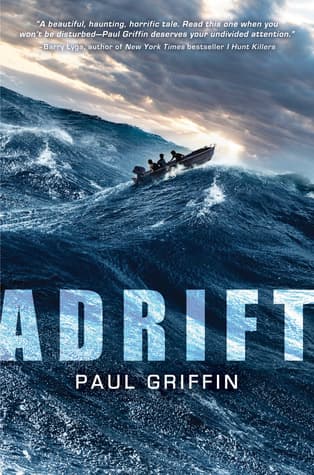
Paul Griffin (2015)
Genre
Thriller / Children's / Young Adult
Reading Time
240 min
Key Themes
See below
Sign in to track this book
Five teenagers, lost at sea after a party, must face their fears and each other as a summer of romance and friendship turns into a desperate fight for survival.
Matt and his best friend, John, arrive in Montauk from Queens for the summer. They hope to earn money working on fishing boats. Matt wants to save for a computer, while John is more practical and wary of the rich Montauk crowd. They get jobs on a fishing boat, learning how hard the work is. One evening, Matt sees Driana, a beautiful girl from a different social group. He is immediately taken with her. This meeting starts a series of events that will change their summer and their lives, pulling them into a world they are not ready for and introducing them to people who will be key to their survival.
Matt gets closer to Driana, who invites him and John to a party at a large Montauk house. John has doubts about the rich kids and their careless behavior, but Matt convinces him to go. At the party, they meet Driana's friends, Stef and JoJo. As the night goes on, fueled by alcohol and a desire for adventure, Stef suggests they take her father's yacht, the 'Sea Urchin,' for a ride. John, at first against it, is eventually convinced, partly by Matt's feelings for Driana and partly by the appeal of doing something forbidden. The five teenagers, none of whom are truly skilled sailors, head out into the ocean, thinking it will be a short, fun trip.
The excitement of the ride quickly fades as the 'Sea Urchin' goes further from shore. Stef, who said she knew how to navigate, is not good at it, and the boat's electronics start to fail. A storm comes up fast, tossing the yacht violently. In the chaos, the engine stops, and the boat is left drifting, its radio useless. Panic sets in as the teenagers realize they are completely lost, unable to contact anyone, and with no land in sight. John, despite his earlier hesitation, steps up, using his practical skills and logical thinking to understand their bad situation, while Matt tries to comfort a scared Driana.
With the boat drifting, John takes charge, rationing their small supply of water and snacks. He tries to fix the engine and build a makeshift antenna for the radio, but he fails. Matt tries to help where he can, while Driana tries to calm the growing tension between the increasingly annoyed Stef and the self-centered JoJo. Stef's initial confidence breaks down, showing her insecurity, while JoJo complains constantly about their discomfort. The lack of food and fresh water, along with the vast, empty ocean, starts to wear on their nerves, making existing social dynamics worse and showing their true characters.
Days pass and become a week. Dehydration and hunger weaken the group. One afternoon, a large cargo ship appears on the horizon, giving them a surge of desperate hope. The teenagers frantically try to signal it, waving clothes and shouting, but the ship passes without seeing them. The crushing disappointment leaves them feeling deeply hopeless. JoJo becomes more hysterical, and Stef withdraws. Matt and John struggle to keep spirits up, while Driana tries to maintain some order and hope among her friends. The reality of their isolation and the ocean's indifference sinks in, testing their will to live.
As the days continue, JoJo, already weak and emotionally fragile, dies from the harsh conditions. Her death is a brutal shock, a clear reminder of their mortality and the seriousness of their situation. The remaining four — Matt, John, Driana, and Stef — are deeply affected. The loss changes the group, removing some of the superficiality and forcing them to face their shared vulnerability. John becomes even more determined to survive. Matt, while grieving, finds comfort and strength in his growing bond with Driana, seeing the value of human connection when facing death.
With JoJo gone and supplies almost gone, the survivors must consider desperate actions. They try to fish, but with little success. John, always practical, suggests using JoJo's body as bait or even as a food source. This horrifying idea causes a split in the group. Matt strongly opposes it, while Stef is too numb to react. Driana, though horrified, understands John's desperation. This moral problem shows the extreme pressures they face and forces them to confront the dark side of survival, where previously unthinkable actions might become necessary.
Under great stress and guilt, Stef finally breaks down and admits a key detail about the night they took the 'Sea Urchin.' She says she intentionally cut the anchor rope and tampered with some of the boat's controls. She did this not out of malice, but from a misguided desire for adventure and to impress her friends, especially Driana. This news destroys the remaining trust in the group, especially for Matt and John, who feel betrayed and put in danger by her carelessness. Driana is devastated by her friend's confession, realizing their situation was partly due to Stef's actions, which leads to more tension and resentment.
As their situation worsens, John, suffering from severe dehydration and injuries, makes a sacrifice. Realizing he is the weakest and believes he is holding the others back, he falls overboard during rough seas, or perhaps chooses to swim away. His goal is to give Matt and Driana a better chance at survival by saving their remaining resources. His act, though heartbreaking, shows his loyalty and practical nature. Matt, devastated by the loss of his best friend, must step up and take full responsibility for Driana and himself, a role he never expected but accepts with new determination.
With only Matt, Driana, and the now almost unresponsive Stef left, Matt holds onto hope for rescue. He carefully works on a makeshift signal flare using whatever materials he can find. Days later, a small fishing boat appears on the horizon. Matt, with Driana's help, manages to light the flare, getting the attention of the fishermen. They are finally spotted and rescued, barely alive. The ordeal leaves them physically weak and deeply traumatized. They return to land changed forever by the experience, carrying the emotional scars of survival, loss, and the moral choices they had to make in the vast, unforgiving ocean.
The Protagonist
Matt transforms from an idealistic teenager to a hardened survivor, forced to make impossible choices and lead under extreme duress.
The Supporting
John, initially a skeptical and pragmatic survivor, makes a selfless sacrifice, proving his deep loyalty and love for his friend.
The Supporting
Driana transforms from a somewhat naive, privileged girl to a resilient survivor, finding love and inner strength.
The Supporting
Stef descends from reckless impulsivity to guilt-ridden catatonia, unable to cope with the consequences of her actions.
The Supporting
JoJo, unable to cope with the harsh realities of survival, succumbs to the elements.
The main theme is the basic instinct for survival when modern comforts are gone and death is near. The characters are pushed to their physical and mental limits, forcing them to face moral problems and make hard choices. John's practicality, Matt's strength, and the group's desperate search for food and water show this theme. It explores how far people will go to live, showing both the strength and the darkest parts of human nature under extreme pressure.
“The ocean doesn't care if you're rich or poor. It just waits.”
The book clearly contrasts the working-class boys from Queens (Matt and John) with the wealthy teenagers from Montauk (Driana, Stef, JoJo). Early interactions are full of assumptions and misunderstandings based on their backgrounds. While the Montauk kids are used to luxury and carelessness, Matt and John bring practical skills and a realistic view. The harsh sea environment removes these social differences, showing true character regardless of wealth. It also shows how privilege can lead to recklessness and a lack of preparation for real hardship, as seen with Stef's poor navigation.
“These rich kids, they think they own the world. They don't know a thing about how to live in it.”
Amidst the fight for survival, strong bonds of love and loyalty appear. Matt's growing love for Driana becomes a big reason for him to survive and protect her. The deep friendship between Matt and John is tested but remains strong, ending in John's selfless act. These relationships provide emotional anchors in a sea of despair, showing that human connection can be a source of strength and hope even in the worst situations. The book suggests that love and loyalty can offer a deeper reason to endure than just wanting to survive.
“I wouldn't let her go. Not now. Not ever.”
The theme of guilt is strong, especially through Stef's character. Her confession about intentionally damaging the boat's anchor and controls shows the deep impact of her carelessness. This confession, while causing more tension, also starts a process of facing truth and responsibility. The survivors must deal with the weight of their own actions, inactions, and the moral choices they are forced to make. The struggle with forgiveness, both for others and for oneself, becomes a key internal conflict as they face the results of their choices and the unforgiving nature of their situation.
“I didn't mean for this to happen. I just wanted... I don't know.”
Being lost at sea acts as a harsh coming-of-age experience for the teenagers. They must lose their youth, face death, and see terrible things. Matt, in particular, changes greatly from a carefree teenager to a tough survivor, burdened with leadership and loss. The experience forces them to grow up fast, understand how fragile life is, and rethink their values. They come out of the ordeal deeply changed, carrying the scars of their experiences, having matured in the most extreme and unforgiving circumstances possible.
“The ocean took our youth, our innocence. It gave us back something else. Something harder.”
A symbol of privilege and the confined setting for survival.
The 'Sea Urchin' is more than just a boat; it's a central symbol and the primary setting for the majority of the novel. Initially representing Stef's family wealth and the carefree recklessness of the rich kids, it quickly transforms into a cramped, decaying prison. It symbolizes their isolation from the world and their dwindling hope. As it deteriorates, so do the spirits and bodies of its occupants, reflecting the harsh reality of their predicament. Its small, enclosed space intensifies the interpersonal conflicts and claustrophobia of their situation.
An antagonist and a metaphor for life's unpredictability.
The ocean itself acts as a powerful, indifferent antagonist. It is not malicious but simply vast, uncontrollable, and unforgiving, highlighting the insignificance of human life in its immensity. It serves as a metaphor for the unpredictable and often cruel nature of life, stripping away all pretenses and comforts. Its endless expanse emphasizes the characters' isolation and despair, while its beauty can sometimes offer a fleeting, deceptive sense of peace. The ocean tests their physical and mental limits, revealing their true character.
Immersive narrative technique focusing on Matt's emotional and sensory experience.
The story is told from Matt's first-person perspective, providing an intimate and immediate account of the harrowing events. This narrative choice allows readers to experience his emotional journey, his fears, his love for Driana, and his growing sense of responsibility directly. It creates a strong sense of empathy and immersion, as readers are privy to his internal thoughts, sensory details of the ordeal, and the profound impact of each loss and struggle. This limited perspective also builds tension as readers only know what Matt knows, enhancing the feeling of uncertainty and desperation.
A practical plot point and a driver of conflict and desperation.
The meticulous rationing of dwindling food and water supplies is a constant, practical plot point that drives much of the immediate tension and conflict. It underscores the severity of their situation and forces tough decisions, often leading to arguments and resentment among the group, particularly between John's pragmatism and the others' desires. This device highlights the basic human need for sustenance and how its scarcity can quickly erode civility and expose primal instincts. The decreasing amounts of water and food physically weaken the characters, contributing to their mental and emotional decline.
“The ocean doesn't care if you're scared.”
— Matt reflects on the vastness and indifference of the sea after the boat capsizes.
“We're all just trying to stay afloat.”
— Matt thinks about the group's struggle to survive on the open water.
“Sometimes the only way out is through.”
— Matt encourages the others to face their fears and keep going.
“The stars are the only map we have now.”
— The group navigates at night, using the stars for direction.
“Fear is a fire that burns you from the inside.”
— Matt describes the psychological toll of constant fear during their ordeal.
“We didn't choose this, but we can choose how we face it.”
— Matt rallies the group to take control of their response to the disaster.
“The sea gives and the sea takes away.”
— Reflecting on the unpredictable and dangerous nature of the ocean.
“In the end, all we have is each other.”
— Matt emphasizes the importance of teamwork and support among the survivors.
“Hope is a fragile thing, but it's all we've got.”
— The group clings to hope despite dwindling supplies and rescue chances.
“Every wave is a reminder that we're still alive.”
— Matt finds a small sense of purpose in the constant motion of the sea.
“You don't know how strong you are until being strong is the only choice.”
— Matt realizes his inner strength through the challenges of survival.
“The horizon is just an illusion of safety.”
— Matt warns against false hope as they search for land or rescue.
“Silence can be louder than any storm.”
— Describing the eerie quiet of the open ocean during calm moments.
“We're not just surviving; we're learning how to live.”
— Matt finds meaning in their struggle beyond mere survival.
Ready to see how well you understood this book? Take our interactive quiz with 10 questions.







