“He had always known that words were a commodity that could be bought and sold, and that the best words were not always the most expensive.”
— Reflecting on his experiences and the nature of language.

Ernest Hemingway (1950)
Genre
Literary Fiction / Historical Fiction
Reading Time
300 min
Key Themes
See below
Sign in to track this book
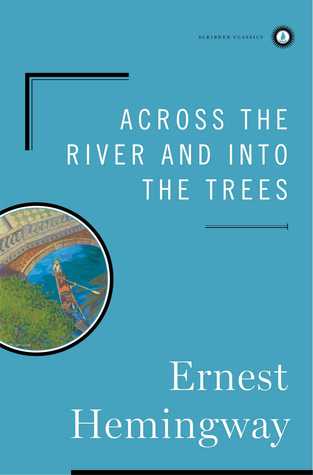
A World War II colonel, scarred by war, finds a final love with a young Italian countess in Venice, confronting his past with the resilience of the human spirit.
Colonel Richard Cantwell, a fifty-year-old American Army officer with a heart condition, drives from Trieste to the Venetian lagoon for a weekend duck shoot. His driver is Sergeant Jackson. Cantwell is a veteran of both World Wars and carries the physical and emotional scars of his military career. As they drive, Cantwell thinks about his past, especially his time in Italy during World War I and his more recent command in World War II. He is a man of habit, and the duck shoot is a ritual he values, partly for the quiet it offers and partly for its connection to nature. He arrives at the hunting lodge, greeted by the gamekeeper, and prepares for the next morning's hunt.
During the drive and later at the lodge, Cantwell's thoughts are filled with war memories. He remembers specific battles, the men he led, and the deep losses he saw and was responsible for. He mentally revisits campaigns like the Hürtgen Forest and the Battle of the Bulge, carrying the weight of his choices and the lives lost under his command. These memories are not just facts; they are personal wounds that still affect him. He struggles with duty, honor, and the dehumanizing parts of long conflict, often speaking in a detached but deeply felt way about the horrors he has faced and caused.
After the first day of hunting, Cantwell goes to Venice, where he has a room at the Gritti Palace Hotel. A gondolier he knows well meets him, strengthening his bond with the city. His main reason for coming to Venice, besides the hunt, is to meet Countess Renata, a nineteen-year-old Italian noblewoman with whom he is in love. He looks forward to their reunion with both excitement and worry, aware of their age difference and their relationship's fragility. He finds comfort in the familiar beauty of Venice, a city he has known and loved since his youth.
Cantwell and Renata meet for dinner in Venice. Their conversation mixes affection, shared memories, and Cantwell's war stories. Renata, despite her youth, listens with mature understanding and offers him peace and acceptance. She represents beauty, youth, and a connection to life that Cantwell feels slipping away. He gives her gifts, including emeralds he bought for her, showing his devotion. Their interactions have a deep emotional closeness, going beyond the physical, and showing the strong bond they share despite their different backgrounds and ages.
Renata shows a remarkable understanding of Cantwell. She encourages him to talk about his past, even the most painful war memories, giving him a safe place to unburden himself. She sees his scars, both visible and invisible, not with pity but with deep, loving acceptance. Her youth and energy contrast sharply with Cantwell's tiredness, yet she is drawn to his wisdom and experience. She is not naive to the world's harshness but chooses to embrace life and love, offering Cantwell a break from his internal struggles and a reason to find beauty in the present.
After dinner, Cantwell and Renata return to his room at the Gritti Palace. Their time together involves both physical closeness and deep emotional connection. Cantwell continues to share his war stories, often in a fragmented way, and Renata listens patiently, offering comfort. He thinks about his past wives and relationships, naming Renata as the most important love of his later life. Their conversations touch on love, loss, death, and the short nature of happiness, creating a mood of bittersweet tenderness as they acknowledge the limits of time and Cantwell's failing health.
The next morning, Cantwell returns to the lagoon for the second day of the duck shoot, leaving Renata in Venice. The hunt is a form of meditation for him, a way to process his thoughts and feelings. He thinks about his time with Renata, enjoying the memories and emotions she brings out. Hunting, with its precision and link to nature, offers a temporary escape from his inner turmoil, yet his thoughts often return to her. He has moments of clarity and peace amidst the physical effort and the harsh beauty of the winter landscape, confirming his appreciation for life's simple pleasures.
Cantwell and Renata have one last dinner together in Venice. The mood is sad as they both know this might be their final meeting. They speak of their love, their future, and the challenges they face. Cantwell, always a soldier, tries to stay calm, but his deep affection for Renata is clear. Renata, though sad, handles the farewell with grace and maturity, reinforcing her deep bond with him. They say heartfelt goodbyes, a poignant moment reflecting their intense, unusual love's temporary nature.
After saying goodbye to Renata, Cantwell begins his trip back to Trieste with Sergeant Jackson. His health is clearly worse, and he feels more discomfort and pain from his heart condition. He continues to think about his life, his loves, and the wars he fought. The landscape they drive through brings up more memories, and he often speaks to Jackson, who listens respectfully, though he doesn't fully understand the depth of Cantwell's historical and emotional burdens. The journey becomes a symbol for Cantwell's own winding path toward his inevitable end, marked by growing fatigue and a quiet acceptance of his fate.
On the way back, Cantwell decides to stop for one last, unplanned duck shoot in a remote area. Despite his worsening health, he insists on hunting. He positions himself in the marsh, waiting for the ducks. As he waits, his heart gives out. He dies quietly and alone, holding his shotgun, in the environment he loved. Sergeant Jackson eventually finds him. Cantwell's death is a peaceful, dignified end for a man who lived and fought intensely, finding his final peace in nature, a place of quiet solitude he had always sought.
The Protagonist
Cantwell moves from a state of internal reflection and physical decline towards a peaceful acceptance of his mortality, finding a final connection to love and nature before his death.
The Supporting
Renata remains a steadfast source of love and understanding for Cantwell, providing him with solace and a final connection to beauty and hope.
The Supporting
Jackson remains a constant, supportive presence, witnessing Cantwell's final journey and death without undergoing significant personal change.
The Mentioned
No significant arc; serves as a static, symbolic character.
The Mentioned
No significant arc; serves as a functional character for the hunting scenes.
The novel explores the lasting psychological and physical scars of war. Colonel Cantwell shows this theme, with his heart condition, his constant retelling of battles, and his struggle with memories of men lost under his command. He carries the weight of his decisions and the horrors he saw, finding it hard to escape the past. His talks with Renata often cover his war experiences, showing how deeply they are part of his identity. This theme appears in his cynicism, his moments of quiet sadness, and his search for meaning in the face of destruction, especially his experiences in the Hürtgen Forest and the Battle of the Bulge.
“He knew it was bad for his heart to fight, but he had to do it. He had to be a soldier, and he had to fight, and he had to win.”
The love between the aging, sick Cantwell and the young Renata is central to the novel. Their relationship highlights the contrast between life and coming death, youth and experience. Renata offers Cantwell a final, deep connection to beauty, hope, and the present, giving him a temporary break from his war-torn past and his awareness of his own death. Their love is an act of defiance against death, a way to experience intense life even as it fades. Cantwell's gifts to Renata, especially the emeralds, show his desire to leave a lasting mark of his affection and his appreciation for the beauty she represents.
“I love you. I love you, and I love you, and I love you. What else is there to say?”
Nature, especially the Venetian lagoon and duck hunting, is a source of comfort and meaning for Cantwell. The quiet and ritual of the hunt allow him to reflect, to connect with a basic, unchanging world, and to find a temporary escape from his inner struggles. The beauty of the landscape and the demands of the sport offer a form of meditation and a sense of order. His wish for a final hunt, even with his declining health, shows his deep connection to nature as a place of peace and dignity, where he ultimately finds his final rest.
“He loved the feel of the boat moving, and the wind, and the cold, and the smell of the marsh.”
Memory is a strong force in Cantwell's life, always breaking into his present. He lives largely in his past, replaying conversations, battles, and losses. The novel is built around his internal thoughts and stories, blurring the lines between past and present. His memories are not just nostalgic; they are active, painful forces that shape how he sees the world and interacts. Renata's willingness to listen to these memories gives him a rare chance to process his past, even if he can never fully escape it. The past is not dead for Cantwell; it is a living thing that defines him.
“The memory of all the dead was in his head like a great weight.”
Despite Cantwell's suffering, both physical and emotional, he shows great resilience. He continues to live, to love, and to engage with the world, even as he faces his coming death. His defiance against despair, his ability to love Renata, and his determination to hunt despite his heart condition, all speak to an enduring human spirit. This theme is not about overcoming, but about enduring with dignity and finding moments of beauty and meaning amidst deep loss and weariness. His continued appreciation for good food, drink, and conversation also reflects this resilience.
“A man could be destroyed but not defeated.”
A narrative technique that mirrors the character's thoughts.
Hemingway employs a stream of consciousness technique, particularly through Colonel Cantwell's internal monologues and fragmented recollections. This allows the reader direct access to Cantwell's thoughts, memories, and emotions, often jumping between present events and past war experiences without clear transitions. This device effectively conveys the fractured nature of his mind, the constant intrusion of trauma, and the way his past deeply informs his present. It creates an intimate, subjective perspective, immersing the reader in Cantwell's unique mental landscape and his struggle with his own history.
The setting acts as a reflection of Cantwell's internal state and a source of solace.
Venice, with its timeless beauty, history, and decaying grandeur, symbolizes Cantwell's own state – a magnificent, storied past now facing inevitable decline. The canals and ancient buildings reflect his deep connection to tradition and the weight of history. The Venetian lagoon, a wilder, more primal setting for the duck hunt, symbolizes nature's indifference and purity, offering Cantwell a place of escape, ritual, and eventual peace. It represents a return to fundamental elements, a stark contrast to the complexities of war and human relationships, ultimately becoming the site of his final moments.
Cantwell embodies Hemingway's ideal of a stoic, honorable man facing adversity.
Colonel Cantwell is a classic example of Hemingway's 'code hero.' He is a man who faces a difficult, often tragic, reality (war, old age, illness) with grace under pressure, stoicism, and adherence to a personal code of honor and discipline. He values courage, competence, and a certain fatalistic acceptance of his destiny. Despite his internal suffering, he maintains his dignity, enjoys simple pleasures, and confronts his end with a quiet strength, embodying the ideal of a man who lives authentically and faces death without complaint. His adherence to the hunting ritual is part of this code.
Recurring phrases, actions, and events emphasize themes and character traits.
Hemingway frequently uses repetition of phrases, questions, and actions throughout the novel. This device serves to highlight Cantwell's obsessive thoughts, the cyclical nature of memory, and his reliance on ritual (like the duck hunt, drinking, and specific conversational patterns) to bring order to his chaotic internal world. The repeated recounting of war stories, for instance, underscores the inescapable nature of his trauma. It also lends a poetic, almost incantatory quality to the prose, drawing attention to key ideas and reinforcing Cantwell's deeply ingrained habits and perspectives.
“He had always known that words were a commodity that could be bought and sold, and that the best words were not always the most expensive.”
— Reflecting on his experiences and the nature of language.
“The great thing is to last and get your work done and see it is good and then die.”
— Colonel Cantwell's philosophy on life and legacy.
“You could not be a good soldier until you had learned how to enjoy being miserable.”
— Cantwell's observation about the mindset of a soldier.
“He looked at her and he knew that he loved her, and that he would love her until he died, and that he would love her after he died.”
— Colonel Cantwell's deep feelings for Renata.
“It was impossible to be in love and wise at the same time.”
— A general reflection on the nature of love and rationality.
“The only thing that could spoil a good day was people.”
— Cantwell's cynical view on human interaction.
“You did not have to be in love to be happy. You just had to be lucky.”
— A pragmatic view on happiness, contrasting with romantic love.
“He knew that he would never be lonely as long as he had the river and the trees.”
— Cantwell finding solace in nature.
“The world breaks everyone, and afterward, some are strong at the broken places.”
— A broader philosophical statement, applicable to Cantwell's life.
“You could always tell a good man by how he treated his dog.”
— A simple measure of character, often used by Cantwell.
“He was a man who had seen too much and felt too much and was tired of both.”
— Describing Colonel Cantwell's weariness from his life experiences.
“A man could be destroyed but not defeated.”
— A recurring theme of enduring spirit despite physical decline.
“The only difference between a good soldier and a bad soldier was whether he was still alive.”
— Cantwell's brutal assessment of survival in war.
“He had never known anyone who could be so happy with so little.”
— Observing Renata's capacity for joy amidst their circumstances.
“The best way to find out if you can trust somebody is to trust them.”
— A direct and bold statement on building trust.
Ready to see how well you understood this book? Take our interactive quiz with 10 questions.
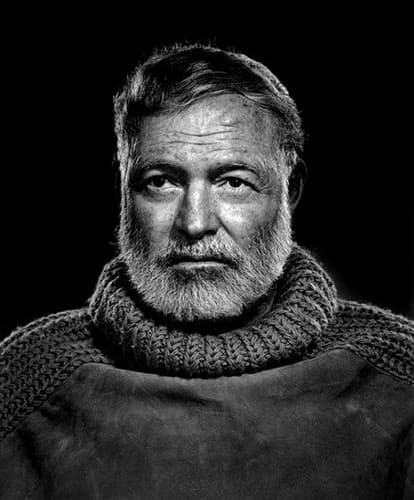
Ernest Miller Hemingway was an American novelist, short-story writer, and journalist. His economical and understated style—which included his iceberg theory—had a strong influence on 20th-century fiction, while his adventurous lifestyle and public image brought him admiration from later generations. Hemingway produced most of his work between the mid-1920s and the mid-1950s, and he was awarded the 1954 Nobel Prize in Literature. He published seven novels, six short-story collections, and two nonfiction works. Three of his novels, four short-story collections, and three nonfiction works were published posthumously. Many of his works are considered classics of American literature.







