“The worst thing about being a teenager is that you're not old enough to do all the things you want to do, and you're too old to do all the things you used to enjoy.”
— Alice musing on the frustrations of her age.


Phyllis Reynolds Naylor (1998)
Genre
Children's / Young Adult / Romance
Reading Time
150 min
Key Themes
See below
Sign in to track this book
Alice wants to set up her father with her favorite teacher, but she learns that loving two people at once is a confusing reality when her own long-term relationship is challenged by a new boy.
Alice McKinley, a high school student, sets her life's priorities. Her top goal is to arrange a marriage between her widowed father, Lester, and her favorite English teacher, Miss Summers. Alice likes Miss Summers, finding her smart, kind, and pretty, and believes she would be the perfect stepmother. She watches their interactions for any signs of mutual affection. Alice tells her friends, Elizabeth and Pamela, her plan. They are at first doubtful but later support her, often with funny comments. Alice starts subtly trying to bring her father and Miss Summers together, beginning her matchmaking efforts.
Alice's matchmaking efforts hit a problem when she sees her father is not the only man interested in Miss Summers. Mr. Sorringer, the school's vice principal, begins openly trying to win Miss Summers, sending her flowers and inviting her to events. This complicates Alice's plans, as she sees Mr. Sorringer as a strict, unlikable person not right for her teacher. Alice becomes frustrated and competitive, trying to subtly undermine Mr. Sorringer's efforts and show Miss Summers her father's good qualities. She feels she must act quickly to get her desired outcome.
Alice tries to set up different situations to bring her father and Miss Summers together. She suggests group outings, like a picnic or a school play, hoping they will connect. However, these attempts often go wrong, leading to awkward silences or Mr. Sorringer unexpectedly showing up, creating a competitive mood. One time, Alice tries to set up a double date with her father, Miss Summers, Patrick, and herself, which only highlights the tension between the two adult suitors. Alice's well-meaning plans rarely work out, causing her frustration and some discomfort for Miss Summers, who seems torn between the two men.
While her father faces a romantic problem, Alice finds herself in a similar situation. She has been dating Patrick for almost two years, and though she still cares for him, their relationship feels comfortable, almost routine. Then, Sam, a quiet and gentle boy from her Camera Club, starts noticing her. Sam's thoughtful nature and shared interest in photography interest Alice. They spend time together, and Alice finds out he is a surprisingly good dancer, a quality Patrick does not have. Alice finds herself enjoying Sam's company more than she expected, leading to inner conflict and confusion about her feelings, especially given her long relationship with Patrick.
The school dance arrives, and Alice goes with Patrick. However, throughout the evening, her attention is drawn to Sam. She watches him from across the room, feeling a pull she does not fully understand. When Sam asks her to dance, Alice accepts, and they share a surprisingly enjoyable and close dance. This interaction further complicates her feelings for Patrick, as she realizes the depth of her connection with Sam. The dance becomes an important moment, showing the growing gap between her comfortable, familiar relationship with Patrick and the exciting, new feelings she is developing for Sam, mirroring Miss Summers's own romantic problem.
Alice directly asks Miss Summers about her romantic situation, expressing her confusion and frustration. She cannot understand how someone could love two different people at the same time, especially when one is her father. Miss Summers, however, explains that love is not always simple or logical. She describes how both Lester and Mr. Sorringer have qualities she admires, making her decision very difficult. This conversation makes Alice consider the complexities of adult relationships and challenges her black-and-white view of love, unknowingly hinting at her own growing romantic confusion.
Patrick, sensing Alice's changing attention, becomes jealous of Sam. He confronts Alice, expressing his hurt and confusion about her behavior. Alice feels much guilt over her divided feelings and struggles to explain her feelings to Patrick. Their relationship, once stable, becomes strained and uncomfortable. Alice tries to reassure Patrick, but her heart is not fully in it, as she continues to think about Sam. This tension makes Alice acknowledge the seriousness of her feelings for Sam and the possible consequences for her long relationship with Patrick, mirroring the pressure Miss Summers faces.
After much thought and inner struggle, Miss Summers makes her decision. She chooses Mr. Sorringer, explaining to Alice that while she cares for Lester, she feels a stronger, more compatible connection with Mr. Sorringer. Alice is at first heartbroken and disappointed, as her carefully made plan has fallen apart. She struggles to accept the outcome, feeling a sense of personal failure. This decision, however, forces Alice to face the fact that she cannot control other people's choices, especially in matters of the heart, and that sometimes, things do not go according to her ideal plan.
Seeing Miss Summers's difficult but honest decision, Alice understands her own romantic problem more clearly. She realizes that she cannot keep leading Patrick on while her heart is with Sam. Gathering her courage, Alice has a difficult conversation with Patrick, explaining that she needs to break up with him. It is a painful decision, but one she knows is necessary for both of them. This breakup marks an important step in Alice's emotional maturity, as she learns the importance of honesty in relationships, even when it causes pain, reflecting her growth from the initial, naive matchmaking attempts.
With her relationship with Patrick ended, Alice is free to explore her feelings for Sam. They begin to spend more time together, and their connection deepens. Alice finds joy and excitement in this new relationship, appreciating Sam's gentle nature and shared interests. At the same time, Alice slowly comes to terms with Miss Summers's choice and her father's continued single status. She realizes that her father is happy and content, and that her job is not to find him a wife. Alice learns that love, both her own and others', is complex and unpredictable, and that sometimes, the best way is to let things happen naturally.
The Protagonist
Alice learns that love is complex and unpredictable, accepting that she cannot control others' choices and realizing her own romantic feelings are not as straightforward as she once thought.
The Supporting
He remains open to love but ultimately accepts his single status, showing contentment and maturity without forcing a relationship.
The Supporting
She makes a difficult but honest choice between two suitors, demonstrating the complexities of adult love and the importance of following one's heart.
The Supporting
He successfully wins Miss Summers's affection, proving that Alice's initial judgment of him was biased and incomplete.
The Supporting
He experiences the pain of a breakup as Alice moves on, representing the natural evolution and sometimes difficult end of teenage relationships.
The Supporting
He emerges as Alice's new romantic interest, representing the excitement and potential of new love.
The Supporting
She consistently supports Alice while offering a more grounded perspective, remaining a steadfast friend.
The Supporting
She consistently supports Alice while often reflecting a more romanticized view of relationships, remaining a steadfast friend.
The main theme is that love is not always simple or clear. Alice first believes love should be an immediate, clear choice, as seen in her wish to pair her father with Miss Summers. However, Miss Summers's real struggle between Lester and Mr. Sorringer, and later Alice's own divided feelings for Patrick and Sam, make her face the messy truth of emotions. The book shows that people can have deep feelings for many individuals, and choosing a partner involves more than just a list of desired traits. It is about compatibility, connection, and sometimes, unexplained chemistry.
“How can someone be in love with two people at the same time? It doesn't make sense to Alice -- until Sam, her friend from Camera Club, starts to pay attention to her.”
Alice's journey in 'Achingly Alice' is one of growing up and understanding herself better. She begins the story with clear, though naive, priorities, confident she can control outcomes. As the story goes on, she faces disappointments and unexpected turns, especially with Miss Summers's choice and her own romantic confusion. These experiences challenge her black-and-white view, pushing her to accept uncertainty and the limits of her influence. Her decision to break up with Patrick and pursue a relationship with Sam, born from self-awareness and honesty, shows a big step in her emotional maturity and self-discovery.
“She had thought that love was a simple matter of choosing one person over another, but Miss Summers had shown her how complicated it could be.”
Alice's first drive is to control her father's love life, believing she knows what will make him happy. Her detailed plans to push Lester and Miss Summers together show her wish to arrange events. However, her plans often fail, and Miss Summers makes her own decision, teaching Alice a valuable lesson about the pointlessness of trying to control others' choices, especially in matters of the heart. This theme also applies to her own life, as she cannot force herself to only love Patrick when her feelings for Sam are growing. The book shows that while intentions can be good, personal freedom and true feeling ultimately decide outcomes.
“You can't make people fall in love, Alice. It just happens, or it doesn't.”
As both Miss Summers and Alice deal with their romantic problems, the importance of honesty and being true to oneself becomes clear. Miss Summers's struggle to express her feelings for both men, and her eventual honest choice, serve as a model for Alice. Alice, in turn, learns that staying with Patrick while having feelings for Sam is not only unfair to him but also not true to herself. Her difficult decision to break up with Patrick, despite the pain, is an act of honesty that allows her to pursue a more genuine connection with Sam. The theme highlights that true happiness and healthy relationships are built on sincerity.
“It was hard, but she knew it was the right thing to do. She couldn't pretend anymore.”
Two converging romantic dilemmas reflecting and informing each other.
The novel masterfully uses parallel plots, showcasing both Alice's romantic confusion and Miss Summers's. Alice's quest to find her father a wife, and Miss Summers's genuine struggle between two suitors, directly mirror Alice's own developing feelings for Sam while still dating Patrick. This device allows Alice to gain insight into her own situation by observing and participating in Miss Summers's dilemma. It provides a framework for Alice's growth, as she learns from the adult world's complexities, making her personal realizations more poignant and believable.
Alice's internal thoughts and feelings drive the story.
The story is told entirely from Alice's first-person perspective. This allows readers direct access to her thoughts, anxieties, and evolving understanding of love and relationships. Her witty observations, sometimes naive interpretations, and genuine emotional struggles are conveyed intimately. This device is crucial for character development, as readers witness her internal conflict and growth firsthand, making her journey of self-discovery more relatable and impactful. It also highlights her sometimes-skewed perception of events, adding humor and depth to the narrative.
The audience knows more about Alice's father's feelings than she does.
Dramatic irony is used effectively, particularly in Alice's matchmaking efforts. Alice is often oblivious to her father's true feelings or his subtle reactions, believing her schemes are more impactful than they are. The reader, however, can often infer Lester's more laid-back approach or Miss Summers's internal struggle, creating moments of humor and anticipation. This device underscores Alice's youthful perspective and her limited understanding of adult emotions, making her eventual enlightenment about love's complexities more significant.
Patrick and Sam highlight different aspects of romantic connection.
Patrick and Sam serve as foil characters for Alice's romantic interest. Patrick represents the comfortable, long-term, somewhat predictable relationship, while Sam embodies the exciting, new, and deeper emotional connection Alice begins to crave. Their contrasting qualities—Patrick's familiarity versus Sam's quiet intrigue, Patrick's lack of dancing skill versus Sam's surprising talent—help Alice to articulate and understand her changing desires. This comparison allows Alice to clearly see what she values in a partner, facilitating her eventual decision to break up with Patrick.
“The worst thing about being a teenager is that you're not old enough to do all the things you want to do, and you're too old to do all the things you used to enjoy.”
— Alice musing on the frustrations of her age.
“Why do boys have to be so complicated? It's like they speak a different language, and nobody gave me the dictionary.”
— Alice reflecting on her struggles to understand boys.
“Sometimes I think the whole world is just one big test, and I keep failing the parts about being normal.”
— Alice feeling like an outsider and struggling with self-acceptance.
“It's like a big, invisible wall goes up between you and your friends when one of them gets a boyfriend.”
— Alice observing the changing dynamics in her friendships.
“You can't just wish away the parts of yourself you don't like. You have to learn to live with them, or change them.”
— Alice's internal monologue about self-improvement.
“Love isn't always fireworks and grand gestures. Sometimes it's just being comfortable enough to be yourself with someone.”
— Alice contemplating the nature of true affection.
“It's not fair that you have to figure out your whole life before you're even old enough to drive.”
— Alice feeling overwhelmed by future expectations.
“Being popular isn't about being perfect. It's about being interesting, even if you're interesting in a weird way.”
— Alice's evolving understanding of popularity.
“Sometimes the things you try hardest to hide are the very things that make you, you.”
— Alice realizing the value of her unique traits.
“Having a crush is like having a secret, but it's a secret that everyone else seems to know about anyway.”
— Alice's experience with a new crush.
“You can't make someone like you. They either do or they don't, and you just have to deal with that.”
— Alice accepting the reality of unrequited feelings.
“It's funny how a single word can change everything, like a switch being flipped in your brain.”
— Alice reflecting on the impact of a particular comment or conversation.
“Growing up feels like you're constantly losing pieces of yourself, but then you find new ones you didn't even know you had.”
— Alice contemplating the cyclical nature of personal change.
Ready to see how well you understood this book? Take our interactive quiz with 10 questions.

Biography coming soon.

Dan Gemeinhart
4.5

Kate O'Hearn
4.4

Jeanne Birdsall
4.4

Jen Wang
4.4
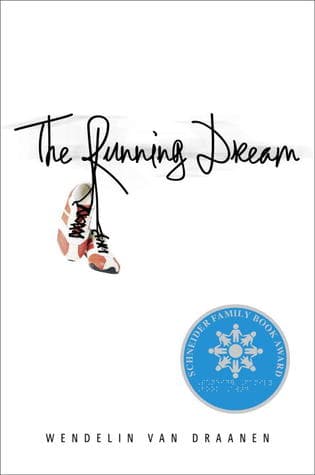
Wendelin Van Draanen
4.3

John Marsden
4.3

Chris Van Allsburg
4.3
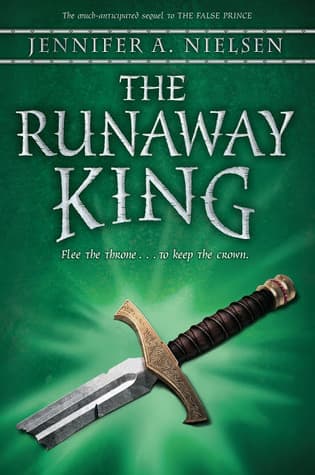
Jennifer A. Nielsen
4.2