
Biography coming soon.

Seth Grahame-Smith (2010)
Genre
Fantasy / Historical Fiction
Reading Time
12 Minutes
Key Themes
See below
Sign in to track this book
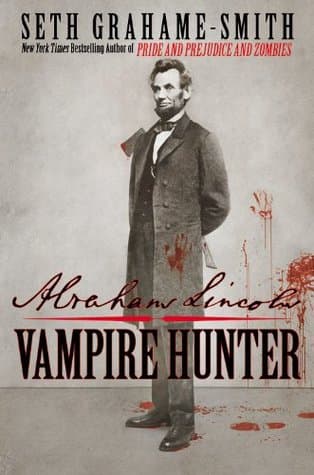
After a vampire kills his mother, a young Abraham Lincoln begins a secret, lifelong quest for revenge that leads to his presidency and a hidden Civil War against the undead.
The story begins in Indiana, 1818. Nine-year-old Abraham Lincoln is at his mother Nancy Hanks Lincoln's bedside. She has 'Milk Sickness,' a common illness, but the book shows it is from a vampire attack by the cruel Jack Barts. After Nancy dies, Abe's father, Thomas Lincoln, dismisses his son's suspicions. Abe learns the truth years later and confronts Barts, but Barts overpowers him. Henry Sturgess, a mysterious vampire hunter, saves Abe and takes him in. This event starts Abe's mission: to avenge his mother's death and spend his life eliminating vampires.
Henry Sturgess trains Abe in vampire hunting. Henry, a vampire who only feeds on animals, teaches Abe about the undead's weaknesses, history, and society. Abe's journal entries from this time show his physical and mental change as he learns axe combat, strategy, and stealth. He starts hunting, following Henry's list of targets, all vampires who committed terrible acts. These first hunts strengthen Abe's resolve and improve his fighting skills against the creatures.
Abe moves to Springfield, Illinois, where he studies law and starts a political career. He continues hunting vampires, often using his legal work to find new targets. He meets Mary Todd, whom he later marries, and his friend, Joshua Speed. Henry Sturgess guides him but also encourages Abe to think about the broader effects of his fight. Abe starts to see that killing individual vampires is not enough; a more systematic approach is necessary. His focus shifts from personal revenge to understanding the larger threat vampires pose to the nation.
As Abe's political career grows, he finds evidence of a large vampire conspiracy in American society, especially in the South. He learns that many important people, including slave owners and politicians, are either vampires or their human helpers. This changes his understanding of the conflict; he realizes that the fight for human freedom and against slavery is connected to the war against the undead. The vampires, he discovers, use slavery to control human populations and ensure a steady food supply, while also keeping their existence secret and maintaining power.
Abe learns that the Underground Railroad, while helping slaves escape, also protects humans from vampires and helps find vampire strongholds. Harriet Tubman, a key figure in the Railroad, is a skilled vampire hunter, working independently but for a similar goal. This discovery further confirms Abe's understanding of the hidden war. Southern plantations, with their large, powerless human populations, are identified as main vampire havens, explaining the undead's interest in keeping slavery.
Abraham Lincoln is elected President, and the nation heads toward civil war. He uses his position to direct the Union effort, not just against the Confederacy, but also against the vampires in the South. He sees the war as a chance to expose and eliminate the undead threat under the guise of regular warfare. His military decisions, like the Emancipation Proclamation, are for human freedom and to disrupt the vampires' food supply and destabilize their power. The war becomes a grand, bloody game for humanity's survival.
The Battle of Gettysburg is a turning point in both the Civil War and the secret vampire war. Union forces are secretly armed with silver weapons—bullets, bayonets, and even artillery shells. Lincoln’s Gettysburg Address is a call for national unity and a coded message to his allies, showing a growing commitment to remove the vampire threat. The Union victory at Gettysburg is largely due to silver's effectiveness against the vampire generals and soldiers fighting for the Confederacy, marking a significant shift in the hidden conflict and weakening the undead's control.
During the war, Lincoln uncovers a secret about his wife, Mary Todd Lincoln. Her odd behavior and sadness are because of a past encounter with a vampire. It is suggested she was attacked or turned, and Henry Sturgess intervened, saving her but leaving her with a lasting, painful connection to the undead world. This adds personal tragedy to Lincoln's already difficult life, making his fight against vampires more poignant and personal, as he battles to protect his family and nation from the same evil.
As the Civil War ends, Lincoln faces his final challenge. John Wilkes Booth, the actor and assassin, is not just a Confederate supporter, but a vampire. He acts as an agent for the remaining Southern vampires, trying to remove human leadership and cause chaos, allowing the undead to regain power. Booth’s assassination of Lincoln is a desperate, final act of revenge by the vampires, a strategic strike against the man who had nearly defeated them and exposed their existence.
After Lincoln's assassination, Henry Sturgess visits Mary Todd Lincoln, revealing he is a vampire and explaining his centuries-long fight against his own kind. He takes Lincoln's journal, keeping its secrets and the truth of the President's hidden war. Henry continues his mission, inspired by Lincoln's sacrifice. The book ends with Seth Grahame-Smith finding the journal today, showing that Lincoln's extraordinary, secret life as a vampire hunter and his impact on the nation have remained hidden until now.
The Protagonist
From a grieving son seeking personal revenge, Abe transforms into a national leader who uses his office to wage a systemic war against the undead, ultimately sacrificing himself for the greater good of humanity.
The Supporting
Henry remains a steadfast, guiding force throughout Lincoln's life, continuing his own centuries-long fight against vampires even after Lincoln's death, ensuring his legacy is preserved.
The Supporting
Mary remains largely unaware of the full extent of her husband's secret life, but her own suffering is deeply intertwined with the vampire threat, making her a tragic figure.
The Antagonist
Adam's centuries-long reign of terror is ultimately challenged and severely weakened by Lincoln's presidency and the Civil War, though he remains a formidable, surviving threat.
The Supporting
Joshua Speed remains a steadfast friend to Lincoln, eventually becoming privy to parts of his secret life and supporting him through his political and personal struggles.
The Antagonist
Jack Barts serves as Lincoln's first, personal target for vengeance, and his demise marks the completion of Abe's initial, individual mission.
The Supporting
Harriet Tubman continues her dual mission of freeing slaves and hunting vampires, a powerful, independent force against the undead.
The Antagonist
John Wilkes Booth fulfills his role as the instrument of the vampires' final revenge against Abraham Lincoln, becoming a symbol of their enduring malice.
The novel shows Abraham Lincoln's changing reasons for fighting, from personal revenge for his mother's death to a broader fight for justice and freedom for all people. At first, Abe's journal lists specific vampires to kill. But with Henry's guidance and his own political growth, he realizes that individual revenge is not enough against a systemic evil. His fight against slavery becomes connected to his fight against vampires, changing his personal vendetta into a struggle for the nation's character and the freedom of millions from both human and supernatural control.
“Henceforth my life shall be one of rigorous study and devotion. I shall become a master of mind and body. And this mastery shall have but one purpose... to rid the world of their kind.”
A main theme is that behind known historical events and figures lies a hidden, supernatural truth. The Civil War, the Underground Railroad, and Lincoln's presidency are re-imagined as parts of a secret war against vampires. This theme suggests that the forces shaping history are often more complex and mysterious than common stories show. It proposes that great historical struggles, like the fight against slavery, may have had deeper, unseen reasons and fighters, asking the reader to rethink accepted truths and the nature of power.
“While Abraham Lincoln is widely lauded for saving a Union and freeing millions of slaves, his valiant fight against the forces of the undead has remained in the shadows for hundreds of years.”
The novel looks at different kinds of evil, from the direct cruelty of vampires like Jack Barts to the systemic evil of slavery by the vampire hierarchy. It suggests that evil can appear in monstrous, supernatural forms and in everyday human acts of oppression. The vampires' use of slavery for food and control blurs the lines between human and supernatural wickedness, implying that humanity's darkest sides can be used or made worse by supernatural forces. This makes the fight against them a fight for human dignity itself.
“Slavery, it turned out, was not simply a moral stain on the nation, but a feeding ground.”
Lincoln's journey involves great personal sacrifice, from his early dedication to revenge to his death. He gives up a normal life, facing loneliness and constant danger, all for his cause. As a leader, he makes hard decisions, carrying the weight of the nation's future and the secret war. His assassination by vampires highlights the ultimate sacrifice he makes, not just for the Union, but for humanity's freedom from supernatural rule. His leadership is defined by his willingness to confront the darkest evils, both human and undead, at great personal cost.
“I may not have saved every life, nor ended every evil. But I have stood in the way of darkness, and for that, I have no regrets.”
A framing device and primary source of the narrative.
The journal serves as the central plot device, presented as the authentic historical document discovered by Seth Grahame-Smith. It functions as both a framing device for the entire narrative and the primary source through which Lincoln's secret life is revealed. The journal entries provide intimate access to Lincoln's thoughts, fears, and motivations, lending an air of authenticity to the fantastical plot. It allows the author to blend historical facts with supernatural elements seamlessly, making the reader feel they are privy to a forbidden, long-lost truth and enhancing the historical fiction aspect of the story.
Recasting historical events with a supernatural twist.
This device involves taking well-known historical events, figures, and concepts (like the Civil War, the Emancipation Proclamation, Harriet Tubman, and slavery) and reinterpreting them through the lens of a hidden vampire conflict. It adds a layer of fantastic explanation to historical mysteries or struggles, such as the intense divisions over slavery being fueled by vampire interests. This device entertains by offering a fresh, often darkly humorous, perspective on history, while also highlighting the inherent drama and moral conflicts of the actual past, making it feel both familiar and utterly new.
The specific rules and characteristics of vampires in the novel.
The novel establishes its own specific set of vampire lore, which guides the plot and Lincoln's actions. Key elements include their vulnerability to silver, sunlight, and decapitation, their predatory nature, and their ability to blend into human society. This lore is crucial for understanding the stakes of the conflict and the strategies employed by both sides. Henry Sturgess's role as a teacher of this lore is vital, as it equips Lincoln with the knowledge needed to fight effectively. The consistent application of these rules creates an internal logic for the fantastical elements.
A wise, experienced guide for the protagonist.
Henry Sturgess embodies the classic mentor archetype. He appears at a critical juncture in young Lincoln's life, saving him and then taking him under his wing. Henry possesses ancient knowledge, practical skills, and a broader perspective on the vampire threat, which he imparts to Abe. His mysterious nature (being a vampire himself who hunts his own kind) adds depth and moral complexity to his role. The mentor figure is essential for Lincoln's development, providing the training and strategic guidance that transforms him from a vengeful boy into a capable vampire hunter and, eventually, a national leader.
Ready to see how well you understood this book? Take our interactive quiz with 10 questions.
Biography coming soon.







