“I'm a private detective, not a social worker. I find people, I don't fix them.”
— Matt Scudder's self-description of his work.

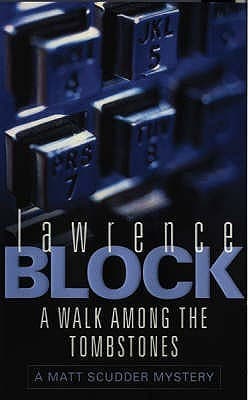
Lawrence Block (1992)
Genre
Thriller / Mystery
Reading Time
450 min
Key Themes
See below
Sign in to track this book
After a drug dealer's wife is returned in pieces despite the ransom, a haunted ex-cop descends into the city's underbelly to hunt two sadistic psychopaths whose games of unimaginable cruelty are just beginning.
Matt Scudder, a former NYPD detective and now a private investigator, is approached by Peter Kristo in a bar. Kristo, a drug trafficker, asks Scudder to help his associate, Kenan Khoury, whose wife, Francine Khoury, was kidnapped. Kenan paid the $400,000 ransom, but Francine was returned dismembered in a car trunk in a vacant lot. The kidnappers called Kenan again, mocking him and demanding another $50,000. Scudder, at first hesitant, agrees to take the case, moved by a desire for justice for the victim and the unusual cruelty of the criminals. He starts by questioning Kenan about the kidnapping and ransom drop.
After observing Kenan Khoury and his associates, Scudder looks into similar cases. He learns from a police contact, Jonas, about a strikingly similar kidnapping and murder from a year ago. A wealthy Russian drug dealer named Yuri Landau's wife, Galina, was kidnapped, a ransom paid, and she was also returned dismembered. The killers then taunted Landau. This confirms Scudder's suspicion that Francine's murder was not an isolated event but part of a pattern. He starts to build a profile of the killers, understanding that their motive goes beyond money, including a desire to inflict terror and pain.
As Scudder investigates, he sees a clear pattern in the crimes: the victims are always wives of drug dealers, ransom is paid, and the wives are brutally murdered and dismembered anyway. The killers then make more taunting calls, often demanding more money, not because they need it, but to prolong the suffering. Scudder concludes that the killers target drug traffickers specifically, using their inability to go to the police and their large, untraceable wealth. This adds a layer of vigilante-like motivation to their sadism. He shares his findings with Kenan and Peter, emphasizing the extreme danger they face.
Following the pattern, Scudder expects another kidnapping. His fears are confirmed when the wife of TJ Faddis, a lawyer who handles money for drug dealers, is abducted. Marie Faddis fits the profile, being connected to the drug world, though indirectly. Scudder rushes to TJ Faddis's apartment, finding him distraught. TJ reveals the kidnappers have already made contact, demanding a ransom. Scudder advises TJ to comply with the ransom demands but also tries to gather as much information as possible about the contact and instructions, hoping to find a lead missed in previous cases.
Scudder carefully plans and oversees the ransom drop for Marie Faddis, hoping to catch the criminals or at least see them. He instructs TJ Faddis on how to proceed, stressing alertness. The drop happens in a secluded spot, with Scudder watching from a distance. A car approaches, a figure gets the money, and quickly drives off. Despite Scudder's preparations, the kidnappers escape, their movements swift and precise. He feels frustrated and angry, knowing Marie Faddis's life is in greater danger, and that he has again failed to directly confront the killers.
After the Faddis ransom drop, Scudder carefully re-examines every detail. He notices a subtle difference or unusual element in the kidnappers' instructions or how they acted during the drop. This small clue, combined with his understanding of their psychology, helps him get a clearer picture of their methods. He believes they are careful planners, likely watching their targets closely before acting. He also considers that an insider might be giving them information about drug dealers' money and routines, making their targeting so precise.
Through police contacts, street information, and his own reasoning, Scudder identifies the two men responsible for the crimes: Ray and Albert. Ray is the more dominant and openly sadistic, while Albert is a quieter, perhaps more disturbed accomplice. Scudder learns about their backgrounds, their history of violence, and their shared psychopathic tendencies. This identification is a critical step, shifting the investigation from understanding a pattern of crimes to tracking specific individuals. Scudder now has faces for the acts, fueling his resolve to bring them to justice.
Despite Scudder's efforts, Marie Faddis is found murdered and dismembered, just like Francine Khoury and Galina Landau. The discovery of her body, another innocent victim of Ray and Albert, fills Scudder with urgency and grim determination. He feels the weight of his failure to save her, reinforcing his personal stake in stopping these killers. With Ray and Albert identified, Scudder focuses entirely on finding them. He checks their known places, questions their associates, and uses every resource to track their movements, knowing they are likely planning their next act.
Realizing that standard police methods might be too slow or ineffective against such cunning killers, Scudder decides to set a trap. He gets the reluctant help of Kenan Khoury and Peter Kristo, using Kenan's wealth and connections in the drug underworld as bait. The plan is to create a situation where Ray and Albert believe they have found another wealthy drug dealer to target, hoping to draw them out. This is a high-risk plan, as it puts Kenan and Peter in direct danger, but Scudder believes it's the only way to catch the killers before they take another life.
The trap is set, leading Scudder and the killers to a secluded cemetery, a fitting place for the final confrontation. Ray and Albert, thinking they are about to kidnap someone else, walk into Scudder's ambush. A tense and violent struggle begins. Scudder, a man haunted by his past and driven by justice, faces off against the two sadistic psychopaths. The fight is brutal and desperate. Scudder uses his street smarts and experience against their raw violence. He is determined to end their terror, even if it means risking his own life.
In the cemetery confrontation, Scudder overpowers Ray and Albert. The struggle is intense and bloody, but Scudder, fueled by the memory of their victims, ultimately wins. He kills both Ray and Albert, bringing a violent end to their spree of kidnappings, torture, and murder. The act has moral gray areas for Scudder, who carries the weight of past mistakes, but he believes it was necessary to stop more suffering. The immediate threat is gone, and the victims' families can find some peace, knowing the monsters are gone.
After the violent ending, Scudder handles the aftermath, making sure Ray and Albert's bodies are found and the official story makes sense, avoiding scrutiny of his own actions. He thinks about the case, the depths of human cruelty he saw, and the personal toll it takes. The case is closed, but it leaves lasting effects. Scudder is a man always walking among the tombstones, both literally and figuratively, dealing with his own issues and the evil he meets in his work. He continues his solitary life, a reluctant hero in a morally complex world, forever changed by the horrors he faces.
The Protagonist
Scudder moves from reluctant involvement to a personal quest for justice, confronting his own capacity for violence to stop greater evil.
The Supporting
Kenan transforms from a powerful, grieving figure to a desperate man willing to risk his life for vengeance.
The Supporting
Kristo moves from a cautious intermediary to an active participant in the dangerous plan to confront the killers.
The Antagonist
Ray remains a consistently evil and unrepentant character until his violent end.
The Antagonist
Albert remains a consistently evil and unrepentant character until his violent end.
The Mentioned
N/A (deceased before story)
The Mentioned
N/A (deceased before story)
The Supporting
TJ Faddis is a static character, primarily serving as a victim's husband who desperately seeks help.
The Mentioned
N/A (deceased before climax)
The Supporting
Jonas remains a steadfast and reliable information source for Scudder throughout the narrative.
The novel looks at the difference between legal justice and a more personal, often violent, form of justice. Matt Scudder works outside the law because his clients cannot go to the police. He delivers a brutal, decisive justice against Ray and Albert, knowing that the legal system might be too slow or ineffective to stop their terror. This theme is central to Scudder's character, a man haunted by his past actions but driven to correct wrongs, even if it means crossing moral lines. The dismemberment of drug dealers' wives shows the killers' twisted idea of 'justice' against those they see as corrupt.
“I'm not a cop anymore. I don't wear a badge. I don't follow rules. But I still know right from wrong.”
A main theme is the exploration of pure evil as shown by Ray and Albert. Their actions go beyond just money, showing a deep sadism and a desire to inflict terror and suffering. The dismemberment of their victims, even after ransom is paid, indicates a lack of empathy and a perverse enjoyment of cruelty. The novel explores the psychological reasons for such depravity, showing them as monsters beyond redemption or reason. Scudder's confrontation with them is not just a physical fight but a struggle against the darkest parts of human nature.
“Some men aren't just bad, they're broken. And there's no fixing them, only stopping them.”
The book clearly shows the harsh consequences for those involved in the criminal underworld, even indirectly. Kenan Khoury, Yuri Landau, and TJ Faddis, all connected to drug trafficking, have their loved ones targeted by the killers. Their inability to call the police leaves them vulnerable and desperate, highlighting the risks and lack of protection in their chosen lives. The novel suggests that while they may gain wealth, they also expose themselves and their families to extreme danger, showing that a life of crime carries an unavoidable, often tragic, cost.
“You live by the sword, you die by the sword. But sometimes, it's the ones you love who pay the price.”
Matt Scudder constantly deals with guilt over his past actions, especially the accidental killing of a child. His work as an investigator, especially in cases like this, can be seen as a form of atonement. He tries to save others partly to make up for those he failed to protect. His attendance at AA meetings further shows his struggle with past issues and his ongoing effort to stay in control and find a better path. The violent ending, where he kills the criminals, is a morally complex act that weighs on his conscience, even if justified.
“You don't just walk away from what you've done. It walks with you, always.”
A poignant theme is the vulnerability of innocent people caught in the crossfire of criminal activity. Francine Khoury, Galina Landau, and Marie Faddis are not directly involved in the drug trade, yet they become targets only because of their husbands' illegal connections. Their brutal murders highlight that innocence offers no protection against pure evil, especially when combined with the dangerous world their loved ones live in. This theme creates a strong sense of tragedy and injustice, showing the devastating effects of crime.
“They didn't do anything wrong. They just loved the wrong men.”
Scudder's narration is filtered through his cynical, world-weary perspective and past trauma.
While not overtly unreliable, Matt Scudder's narration is deeply colored by his personal history, his struggles with alcoholism, and his cynical view of humanity. His interpretations of events, motives, and characters are filtered through his own experiences of guilt and violence. This adds a layer of subjective realism to the story, making the reader experience the gritty, morally ambiguous world through his eyes. It also allows for moments of introspection where Scudder questions his own actions and the nature of justice, enriching the thematic depth.
The ransom money serves as initial motivation but quickly becomes secondary to the killers' true nature.
Initially, the ransom money appears to be the primary motivator for the kidnappings, serving as a classic MacGuffin. However, as Scudder investigates, it becomes clear that the money is secondary to the killers' true desires: the thrill of terrorizing and brutally murdering their victims. The subsequent taunting calls and demands for more money, even after the initial ransom is paid and the victim killed, reveal that the killers are driven by sadism and control, not just financial gain. This subversion of the MacGuffin highlights the profound evil of Ray and Albert.
Matt Scudder embodies the classic cynical, world-weary detective operating outside the law.
Matt Scudder fits the classic private investigator archetype: a lone wolf, disillusioned with official systems, haunted by a past mistake, and possessing a unique moral code. He operates in the shadows, using his street smarts and contacts rather than official authority. This allows him to navigate the criminal underworld where official police cannot tread. His struggle with alcoholism and his solitary nature are hallmarks of the archetype, emphasizing his isolation and the personal cost of his work. This device grounds the narrative in a familiar, yet compelling, tradition of hardboiled detective fiction.
The killers' consistent method of operation and targeting reveals their identity and motives.
The consistent pattern of the kidnappings – wives of drug dealers, ransom paid, victim dismembered, followed by taunting calls – serves as the killers' signature. This device is crucial for Scudder to identify that the crimes are connected and committed by the same individuals. It allows him to profile Ray and Albert, understand their psychological drives, and predict their next moves. The signature is not just about the method of murder but also the specific choice of victims and the post-mortem taunting, revealing a deep-seated, sadistic personality.
The blurred lines between right and wrong, especially in Scudder's actions, are a constant presence.
The novel thrives on moral ambiguity. Scudder, a former cop, operates outside the law, often resorting to violence to achieve justice. His clients are drug dealers, themselves morally compromised. The killers, Ray and Albert, target criminals, which might seem like a twisted form of vigilante justice, yet their methods are unspeakably evil. This device forces the reader to confront difficult questions about the nature of justice, revenge, and the compromises one must make when dealing with extreme depravity. There are no clear-cut heroes or villains, only shades of grey.
“I'm a private detective, not a social worker. I find people, I don't fix them.”
— Matt Scudder's self-description of his work.
“The past is never dead. It's not even past.”
— A reflection on how past events continue to influence the present.
“There are some things you can't outrun, no matter how fast you go.”
— Scudder contemplating inescapable truths or consequences.
“New York is a city of secrets, and some of them are best left buried.”
— Describing the hidden underbelly of the city Scudder operates in.
“The trick is not to feel too much. Or, if you do, to pretend you don't.”
— Scudder's coping mechanism for the grim realities he faces.
“Every man has his own private cemetery, full of people he couldn't save.”
— A poignant thought about the burden of a detective's failures.
“Justice isn't always fair, and fair isn't always just.”
— A cynical observation on the nature of the legal and moral systems.
“Sometimes the only way to find out what's true is to dig up what's false.”
— Scudder's approach to uncovering the truth in his investigations.
“The dead don't talk, but they leave clues.”
— A fundamental principle of detective work, even when dealing with victims.
“There's a fine line between vengeance and justice, and sometimes it's invisible.”
— Exploring the blurred boundaries between personal revenge and righteous action.
“Alcohol doesn't solve problems, it just postpones them.”
— A reflection on Scudder's past struggles with alcoholism.
“You can't save everyone. You can only try to save the ones you can.”
— Scudder's pragmatic view on his limitations and responsibilities.
“The city never sleeps, and neither do its monsters.”
— A dark observation about the constant presence of evil in the urban landscape.
“Some roads you walk alone, no matter how many people are around you.”
— Scudder's sense of isolation in his work and life.
“It's a dirty business, but somebody's got to do it.”
— Scudder's resigned acceptance of the grim nature of his profession.
Ready to see how well you understood this book? Take our interactive quiz with 10 questions.
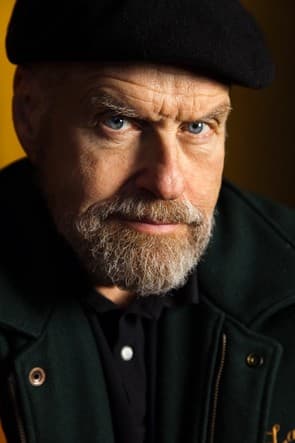
Biography coming soon.







