“We are all broken. That's how the light gets in.”
— A reflection on resilience and healing after trauma.

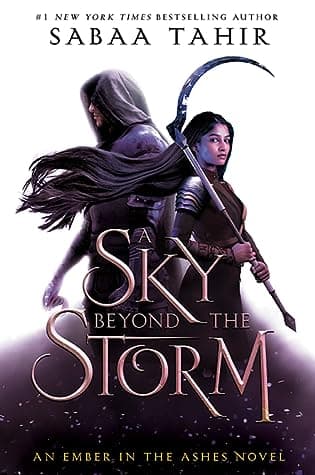
Sabaa Tahir (2020)
Genre
Fantasy / Science Fiction / Young Adult / Romance
Reading Time
8-10 hours
Key Themes
See below
Sign in to track this book
An ancient evil brings apocalyptic chaos, forcing a grieving scholar, a haunted soldier, and a tormented soul catcher to face their fears, unlock powers, and save their world.
After Elias Veturius's and Helene Aquilla's brother Dex's deaths, Laia of Serra is consumed by grief and a need for revenge against the Nightbringer. She is in the ruined city of Marinn, allied with Helene Aquilla, the Blood Shrike, who is also dealing with loss and fighting to protect her people from the jinn and Empress Keris Veturia. Laia studies old texts, looking for the Star Shard, an artifact believed to be the only weapon against the Nightbringer. Visions and her past haunt her, but her resolve to save humanity from the jinn grows.
Helene Aquilla, the Blood Shrike, has set up a base in Antium, gathering loyalists and refugees to fight Empress Keris Veturia. Keris, now Empress, rules harshly, executing those who disagree and taking power with the jinn's help. Helene, despite her grief for Dex and Elias, must be strong to inspire her people. She faces constant threats from Keris's forces and the Nightbringer's jinn, while trying to protect her remaining family, including her young sister Livia, from the conflict. Her leadership is tested as resources run low and hope fades.
Elias Veturius, having become the Soul Catcher, is stuck in the Waiting Place, a realm between life and death. His job is to guide souls and stop jinn from entering the human world. But memories of Laia and his past life bother him, making his duty hard. He often wants to leave his post and return to the human world, especially as he feels the chaos from the Nightbringer's jinn. The ancient beings of the Waiting Place, the Starling and the Keeper, watch him, reminding him of his promise and the bad results if he fails.
Following old clues and prophecies, Laia travels to dangerous places to find the Star Shard. She believes this artifact, once used by the First Scholar, is the key to beating the Nightbringer. Her search takes her to forgotten temples and ruins, where she finds traps and mystical guardians. She learns more about the Scholars' history, the jinn, and the Nightbringer's power. She discovers the Star Shard is not just a weapon, but a source of great power that needs a big sacrifice to use well.
As Keris's forces close in on Antium, Helene decides to protect her younger sister, Livia. Knowing Livia is a target, Helene plans for Livia to escape, even if it means more danger for herself. This leads to a harsh fight with Keris Veturia, a battle that shows the deep hatred and complicated history between the two women. Helene fights with all her might, driven by love and duty, but the odds are against her. The battle leaves Helene badly hurt and Livia's fate unknown, making Helene even more determined to defeat Keris.
The growing destruction in the human world, especially the jinn attacks, forces Elias, the Soul Catcher, to make a hard choice. He sees the suffering of many souls and the Nightbringer's increasing power, realizing his strict adherence to his promise to stay in the Waiting Place is no longer possible. He decides to intervene, crossing back into the human world. This act breaks his Soul Catcher duties, causing unforeseen problems and angering the old entities who rule the Waiting Place, including the Keeper.
Laia, having found the Star Shard, reunites with a weak but determined Helene and a changed Elias. The reunion is full of emotion and their shared burdens. Laia, now understanding the Star Shard's true nature, prepares to use its power against the Nightbringer. The artifact needs a deep connection and sacrifice, drawing on Laia's spirit and grief. As she channels its energy, she feels a surge of power but also sees the vast cosmic forces at play, realizing the true cost of her goal.
The Nightbringer, enjoying the chaos he has caused, reveals his full plan. His revenge is not just about destroying the Martial Empire; he wants to remake the world, getting rid of humanity and bringing the jinn back to their old glory, free from their prison. He believes humanity is destructive and must be removed for a new, jinn-led era. His reasons come from the old wrongs done to his people, and he sees himself as a liberator, not a destroyer, a twisted messianic figure for the jinn.
The final fight is set. Laia, with the Star Shard, Elias, fighting his Soul Catcher nature, and Helene, leading the last resistance, gather at the Nightbringer's stronghold. They face the Nightbringer's jinn army and Keris Veturia's loyal Martial forces, who now work with the jinn's destructive plan. The battle is brutal and chaotic, with many losses on all sides. Each main character fights with desperation, knowing their world's fate is at stake, pushing their powers and limits.
In the battle's end, Laia faces the Nightbringer, using the Star Shard's power in a desperate, all-or-nothing move. Their powers clash, creating a huge force. Elias, despite his pain, helps bind the jinn and stops the human world from being completely destroyed. Helene, badly hurt but unyielding, ensures Keris Veturia meets her end. The Nightbringer is defeated, but at a high cost. The world is changed forever, scarred by war, but with the promise of a new, uncertain future. The survivors must now rebuild and create a new path for humanity and the jinn.
The Protagonist
Laia transforms from a grieving individual into a powerful leader who accepts her destiny and makes the ultimate sacrifice for humanity.
The Protagonist
Elias struggles with the burden of his Soul Catcher oath, ultimately breaking it for love and duty, facing profound personal cost.
The Protagonist
Helene transforms from a grieving leader into a decisive force against tyranny, making difficult sacrifices for her people.
The Antagonist
The Nightbringer's plan for jinn supremacy culminates in a final, destructive confrontation, ultimately leading to his defeat.
The Antagonist
Keris's reign of terror and alliance with the jinn leads to her ultimate downfall and death at Helene's hands.
The Supporting
The Keeper acts as a formidable obstacle and enforcer of cosmic law against Elias's actions.
The Supporting
The Starling provides Elias with crucial, albeit cryptic, guidance during his struggles in the Waiting Place.
The Supporting
Livia survives the conflict, embodying the future that Helene fought to protect.
Sacrifice is a constant theme, with characters making personal sacrifices for the greater good. Elias gives his life and memories to be the Soul Catcher, then breaks his oath to save humanity. Laia is willing to give her life and soul to use the Star Shard and defeat the Nightbringer. Helene always sacrifices her desires and safety for her family and people. These selfless acts show that heroism often means giving up what one values most. Redemption is also explored, especially through Elias's journey, as he deals with his past and finds new purpose.
““You are not defined by your past, little bird. You are defined by the choices you make now.””
All three main characters—Laia, Elias, and Helene—are deeply affected by grief. Laia mourns Elias and many lost lives. Helene grieves for her brother Dex and Elias, her closest friend. Elias himself is haunted by memories of his past life and lost love. Despite this sorrow, each character shows great strength, turning their grief into a powerful drive to fight for survival and a better future. Their ability to endure and keep fighting, even when hope seems gone, shows the human spirit's strength in despair.
““Grief is a ghost. It walks beside you, unseen, unheard, until you are ready to acknowledge it.””
The characters constantly deal with their identities and the roles fate has given them. Laia must accept her family line as a descendant of the First Scholar and use the Star Shard's power. Elias struggles with his identity as the Soul Catcher, torn between his past self and his cosmic duty. Helene fights to keep her identity as the principled Blood Shrike while navigating war and leadership. The story explores whether characters are defined by their birthright, their choices, or prophecies, suggesting it is a mix of all three.
““You were born for this, Laia of Serra. You are the bridge. The fire. The storm.””
The Nightbringer's reasons come from a cycle of revenge, seeking payback for old wrongs against the jinn. His actions cause more suffering and destruction. The main characters, though at first driven by revenge (especially Laia), eventually realize that breaking this cycle needs more than just beating an enemy; it needs building a better future based on hope, understanding, and living together. The story shows the destructive nature of unchecked revenge and contrasts it with the lasting power of hope and the chance to make peace from conflict, even between old enemies.
““Vengeance is a hungry beast. It devours everything, even the one who feeds it.””
An ancient, powerful artifact capable of defeating the Nightbringer.
The Star Shard serves as the ultimate MacGuffin and weapon in the story. It is a mystical artifact of immense power, believed to be the only object capable of defeating the Nightbringer. Laia's quest to find and wield it drives a significant portion of the plot. Its power is not simply physical; it requires a profound spiritual connection and sacrifice from its wielder, making its use a significant plot point and a test of Laia's resolve. It symbolizes the ancient power of the Scholars and their ultimate defense against the jinn.
A liminal realm between life and death, where Elias serves as the Soul Catcher.
The Waiting Place is a crucial setting and a significant plot device. It is a desolate, timeless realm where souls pass after death, and where Elias, as the Soul Catcher, guides them. This realm allows for Elias's continued presence in the story despite his 'death' and provides a unique perspective on the conflict in the human world. It introduces powerful cosmic entities like the Keeper and the Starling, who represent the fundamental laws of the universe. Elias's struggle to adhere to his oath in the Waiting Place creates immense internal and external conflict, directly impacting the human world's fate.
Mystical insights guiding and foreshadowing events for the protagonists.
Throughout the book, Laia, and to a lesser extent Elias, receive cryptic prophecies and vivid visions. These serve as a form of foreshadowing, hinting at future events, the true nature of the Star Shard, and the ultimate confrontation with the Nightbringer. They also serve to deepen the lore of the world, revealing ancient history and the interconnectedness of past, present, and future. These visions often add urgency and a sense of destiny to the characters' quests, pushing them towards their predetermined, yet still choice-driven, paths.
The re-emergence of ancient, magical beings as a primary antagonistic force.
The return of the jinn from their long imprisonment is the central catalyst for the apocalypse unfolding in 'A Sky Beyond the Storm.' This plot device introduces a formidable supernatural threat, escalating the stakes beyond mere human conflict. The jinn's powers, their ancient history with humanity, and their alliance with Keris Veturia create a multi-layered antagonistic force. Their presence reshapes the world, forcing characters to confront ancient magic and a threat far greater than any they've faced before, driving the narrative towards a climactic battle for survival.
“We are all broken. That's how the light gets in.”
— A reflection on resilience and healing after trauma.
“The stars are not afraid to shine, even in the darkest of nights.”
— Encouragement to find courage and purpose in difficult times.
“Love is not a weakness. It is the greatest strength we possess.”
— A declaration about the power of love in overcoming adversity.
“Sometimes the hardest battles are fought within ourselves.”
— Acknowledging internal struggles and personal growth.
“The past may shape us, but it does not define us.”
— A message about moving beyond one's history and mistakes.
“In the end, it is not the power we wield, but the choices we make.”
— Emphasizing the importance of moral decisions over strength.
“Even the smallest spark can ignite a revolution.”
— Inspiring hope that individual actions can lead to great change.
“To heal a world, we must first heal ourselves.”
— A call for personal healing as a step toward broader peace.
“The storm may rage, but it cannot last forever.”
— A reminder that hardships are temporary and will pass.
“True freedom is not the absence of chains, but the courage to break them.”
— Defining freedom as an act of bravery and self-liberation.
“We are not defined by our scars, but by how we rise from them.”
— Focusing on resilience and growth after suffering.
“In the silence between heartbeats, we find our true selves.”
— A poetic insight into self-discovery and inner peace.
“The sky beyond the storm is always waiting, if we dare to look.”
— Encouraging hope and vision for a better future.
Ready to see how well you understood this book? Take our interactive quiz with 10 questions.
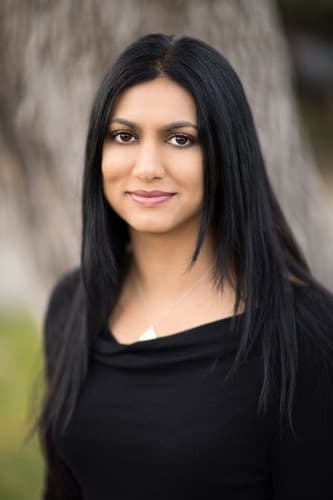
Biography coming soon.







