BookBrief
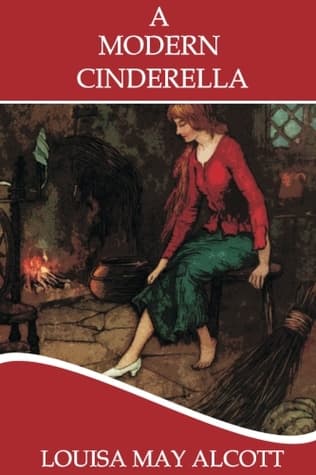
A Modern Cinderella cover
Archivist's Choice

A Modern Cinderella

Louisa May Alcott (2002)

Genre

Children's / Romance

Reading Time

60 min

Key Themes

See below

Track Your Reading

Sign in to track this book

Louisa May Alcott's collection reworks the Cinderella story and other Victorian romances. Young women overcome societal rules and find love, showing that a strong spirit could make its own happy ending, even in the 1800s.

Synopsis

Fanny, an orphaned young woman, lives a difficult life with her cruel aunt and cousins. When an invitation to a ball arrives, her cousins mock her wish to go. A kind neighbor acts as her fairy godmother, giving Fanny a gown and carriage so she can attend. There, she charms a mysterious and handsome stranger, Arthur, and they share an evening. When midnight strikes, Fanny leaves, losing a slipper. Arthur, captivated, looks for the slipper's owner. He visits Fanny's home, where her jealous cousins try to trick him. Fanny, at first hidden, eventually shows herself and proves the slipper is hers. Arthur recognizes her, and they reunite. Fanny escapes her unhappy life and finds love and happiness.
Reading time
60 min
Difficulty
Easy
Pacing
Moderate
Mood
Heartwarming, Charming, Romantic
✓ Read this if...
You enjoy classic children's romance stories with a familiar fairy tale structure and a heartwarming resolution.
✗ Skip this if...
You prefer complex plots, modern narratives, or stories without clear-cut good and evil characters.

Plot Summary

Fanny's Drudgery and the Ball Invitation

Fanny, a young orphan, lives a life of constant work under her strict and unkind Aunt Ann. Her days are full of chores, with little time for joy. Her only comfort comes from her imagination and the kindness of old Hannah, the housekeeper. One day, an invitation arrives for a ball hosted by Mrs. Hamilton, a well-known society figure. Fanny wants to go, seeing it as a way to escape her dull life. However, her Aunt Ann and her two vain cousins, Belinda and Arabella, immediately dismiss the idea, thinking Fanny is too common for such an event. They mock her hopes, making her feel more inadequate and alone in the house.

A Fairy Godmother's Intervention

Despite her aunt's refusal, Fanny still wants to attend the ball. Old Hannah, seeing Fanny's sadness, decides to help her in secret. She reveals she can sew and, using old silks and laces, begins to make a beautiful gown for Fanny. Hannah's actions feel magical and secret, making Fanny think she has a fairy godmother. As the ball night gets closer, Hannah works hard, changing Fanny's look and lifting her spirits. Fanny is very grateful and feels new hope, believing this night could change her life.

The Ball and the Mysterious Stranger

On the ball night, Fanny, changed and glowing in her new gown, is secretly taken away by Hannah. She arrives at Mrs. Hamilton's house, feeling nervous and excited. The ball is a bright sight, unlike anything Fanny has seen. She is shy at first, but her natural grace and beauty soon catch the eye of a handsome young man, Arthur Hamilton, the host's son. Arthur is immediately taken with Fanny's charm and innocence, finding her a refreshing change from the other society girls. They spend the evening dancing and talking, and Fanny feels a connection she has never known. She forgets her troubles, enjoying the attention and joy of the moment, feeling like a princess.

The Midnight Dash and the Lost Shoe

As midnight approaches, Fanny remembers Hannah's strict orders to leave before anyone learns who she is. She reluctantly says goodbye to Arthur, promising to meet him again, though she feels unsure. In her rush to leave, Fanny accidentally loses one of her slippers on the grand staircase. She does not realize she lost it until she is safely back in her room. Meanwhile, Arthur, charmed by the mysterious girl, is confused by her sudden exit. He finds the delicate slipper and, curious about its uniqueness, promises to find its owner, seeing it as the only clue to reunite him with the enchanting stranger.

Arthur's Search and the Cousins' Deception

The next days are filled with Arthur's search for the slipper's owner. He visits houses, asking young ladies to try on the shoe, hoping to find his Cinderella. News of his search quickly reaches Aunt Ann's house. Belinda and Arabella, hearing of the handsome and rich Arthur's quest, are sure one of them must be the mysterious beauty. They try hard to fit into the small slipper, even trying to change their feet. When Arthur finally arrives at their house, they eagerly present themselves, but the slipper, of course, does not fit either of them, to their disappointment and Arthur's growing frustration.

Fanny's Revelation and Reunion

While Arthur is at Aunt Ann's house, he hears old Hannah mention Fanny and her secret attendance at the ball. Curious, Arthur insists on seeing Fanny. Aunt Ann and the cousins try to dismiss her as a servant, but Arthur is firm. When Fanny finally appears, still in her simple clothes, Arthur recognizes the sparkle in her eyes and the grace he remembered from the ball. He asks her to try on the slipper, and to everyone's surprise, it fits perfectly. Arthur is very happy, having found his Cinderella. Fanny, overwhelmed, tells her true identity and her difficult life. Arthur, not bothered by her humble background, declares his love and proposes, offering her a future free from her aunt's unkindness.

A New Beginning

Fanny and Arthur soon marry, to the annoyance of Aunt Ann, Belinda, and Arabella, who regret their past unkindness. Fanny leaves her life of service and moves into Arthur's beautiful home, where she receives love and respect. She thrives in her new surroundings, with kindness and chances for personal growth. Old Hannah, her loyal helper and 'fairy godmother,' comes to live with them, making sure Fanny always has a connection to her past and a loving presence. Fanny's story ends with her living a happy life, having found her prince and her place in the world. This shows that kindness and inner beauty can win over difficulties.

Principal Figures

Fanny

The Protagonist

Fanny transforms from a downtrodden, overlooked orphan into a beloved wife and respected lady, finding happiness and independence.

Arthur Hamilton

The Love Interest

Arthur embarks on a quest to find the mysterious girl from the ball, ultimately discovering and marrying Fanny.

Aunt Ann

The Antagonist

Aunt Ann remains largely unchanged, experiencing the consequences of her cruelty through Fanny's triumph.

Hannah

The Supporting

Hannah helps Fanny achieve her dream and is rewarded with a comfortable life.

Belinda

The Supporting

Belinda remains a static character, driven by vanity and social ambition, ultimately unsuccessful in her pursuits.

Arabella

The Supporting

Arabella, like her sister, remains unchanged, focused on superficial gains.

Mrs. Hamilton

The Mentioned

Mrs. Hamilton's role is primarily to facilitate the setting for the story's main events.

Themes & Insights

Social Class and Mobility

The story shows the strict social classes of the time and how one could move up through marriage. Fanny, an orphan with little money, is at first stuck in a life of service because she lacks wealth and status. Her Aunt Ann and cousins constantly remind her of her 'place.' However, her natural grace and beauty let her cross these lines when she gets the attention of the rich Arthur Hamilton. Her marriage means a complete change in her social standing, showing that inner goodness can overcome social limits. This offers a hopeful message about breaking free from predetermined class roles.

'Fanny was a modern Cinderella, with a cruel aunt, two ugly cousins, and a pumpkin for a coach.'

Narrator

Inner Beauty vs. Outward Appearance

This theme is central to the story, comparing Fanny's inner goodness and grace with her cousins' superficiality. While Fanny wears old clothes and does hard labor, her spirit stays pure and hopeful. Her brief change for the ball shows her true beauty, which Arthur recognizes. He values character over fancy clothes. The cousins, despite their elaborate dresses and social efforts, are vain and unkind, unable to truly attract Arthur. The lost slipper, a symbol of Fanny's delicate nature, only fits her, showing that true worth cannot be faked or bought.

'She was only a little servant girl in a shabby dress, but a royal soul looked out of her eyes.'

Narrator

Hope and Resilience

Despite years of hardship and unkindness from her aunt and cousins, Fanny never completely loses hope for a better future. Her imagination and dreams help her cope and give her inner strength. Even when she cannot attend the ball, her desire remains strong, leading to Hannah's help. Her resilience allows her to take the chance Hannah gives her and to charm Arthur. Her story shows the power of hope in overcoming difficulties and the belief that kindness and persistence can lead to happiness.

'She had built many air-castles, and though they always vanished, she never tired of building them.'

Narrator

Kindness and Compassion

The contrast between Fanny's cruel treatment from her aunt and cousins and old Hannah's kindness shows the importance of compassion. Hannah's selfless act of making a gown for Fanny and letting her go to the ball is a turning point. It shows how much a single act of kindness can change things. Arthur's gentle and respectful behavior toward Fanny, even after learning about her humble background, further supports this theme. Fanny's happiness comes from the kindness shown to her, suggesting that real human connection and empathy are more valuable than social status or wealth.

'Old Hannah, who had a soft heart under her rough exterior, saw the wistful look and resolved to help her darling.'

Narrator

Plot Devices & Literary Techniques

The Lost Slipper

A classic symbol of identity and destiny.

The lost slipper serves as the quintessential 'Cinderella' plot device. It is the sole tangible link between Arthur and the mysterious girl from the ball, becoming the key to his quest. Its small size and unique quality symbolize Fanny's delicate nature and her true identity, which cannot be replicated by her vain cousins. The slipper's perfect fit on Fanny's foot unequivocally confirms her as Arthur's beloved, functioning as a magical proof of her rightful place and destiny, moving the plot towards its resolution and revealing her true status.

The Fairy Godmother Figure

Old Hannah's role in enabling Fanny's transformation.

Old Hannah embodies the traditional fairy godmother archetype. She appears at a critical moment of Fanny's despair, providing the means for her to attend the ball. Hannah's secret dressmaking, her encouragement, and her protective guidance allow Fanny to experience her moment of magic. She represents benevolent intervention and the idea that help can come from unexpected places. Her character provides the magical element necessary for Fanny's escape from drudgery and her chance encounter with Arthur, making Fanny's dream a reality.

Midnight Deadline

A time constraint creating urgency and mystery.

The midnight deadline, a classic element of the Cinderella story, adds suspense and urgency to Fanny's magical night. Hannah's strict instruction for Fanny to leave before the clock strikes twelve creates a sense of fleeting enchantment and impending discovery. This constraint is what causes Fanny to flee in haste, leading to the accidental loss of her slipper. It reinforces the idea that her temporary transformation is fragile and must end, but paradoxically, it is this very urgency that provides the crucial clue for Arthur to find her, propelling the plot forward.

Transformation/Disguise

Fanny's change in appearance to attend the ball.

Fanny's transformation from a humble, drably dressed orphan into a radiant young lady in a beautiful gown is a pivotal plot device. This physical disguise allows her to enter a social world from which she would otherwise be excluded. It highlights the contrast between her daily reality and her potential, revealing her inherent beauty and grace. The disguise is temporary, emphasizing that her true self is what captivates Arthur, not just the finery. This device allows for the initial enchantment and subsequent mystery surrounding her identity.

Critical analysis

Notable Quotes

Love is a flower that grows in any soil, works its sweet miracles undaunted by autumn frost or winter snow, blooming fair and fragrant all the year, and blessing those who give and those who receive.

Narrator reflecting on the enduring nature of love.

I'd rather be a free spinster and paddle my own canoe.

Nan, a spirited character, asserting her independence.

A little kingdom I possess, where thoughts and feelings dwell, and very hard I find the task of governing it well.

A character musing on self-control and inner life.

Beauty is a good letter of introduction.

Observation on societal perceptions of appearance.

The sweetest music is the beating of a true heart.

Emphasizing sincerity over superficial charm.

Work is wholesome, and there is plenty of it for everyone if they only see it.

Encouraging diligence and finding purpose in labor.

A kind word is like a spring day.

Highlighting the power of kindness in daily life.

It takes so little to make a child happy, that it is a pity in a world full of sunshine and pleasant things that there should be any wistful faces, empty hands, or lonely little hearts.

Narrator lamenting the simplicity of childhood joy.

Hope is a blessed thing, and it never seems more so than when it springs up in a desolate heart.

Reflecting on hope's power in difficult times.

The best way to know God is to love many things.

Philosophical insight on spirituality and love.

A true lady is known by her delicate perceptions and her gentle manners.

Defining ideal femininity in the story's context.

Let us be patient, and perhaps the snow will melt, and the flowers bloom again.

Encouraging patience during hardships.

Home is the place where we are treated the best and grumble the most.

Wry observation on family dynamics.

The world is full of poetry, but it takes a poet to see it.

Commenting on finding beauty in everyday life.

Quiz

Test Your Knowledge

Ready to see how well you understood this book? Take our interactive quiz with 10 questions.

10
Questions
~5
Minutes
?
Best Score

Key Questions (FAQ)

'A Modern Cinderella' is a collection of four short stories by Louisa May Alcott, each focusing on young women navigating life in the late 1800s. The title story reimagines the Cinderella fairy tale with a modern (for its time) twist, while other tales explore themes of love, sacrifice, and personal growth. Characters like Nell in 'A Modern Cinderella' and Christie in 'The Baron's Gloves' face societal expectations and romantic challenges.

About the author