BookBrief
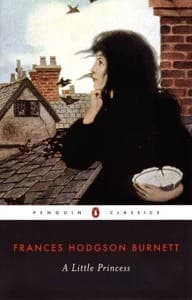
A Little Princess cover
Archivist's Choice

A Little Princess

Frances Hodgson Burnett (2005)

Genre

Fantasy / Children's / Historical Fiction

Reading Time

240 min

Key Themes

See below

Track Your Reading

Sign in to track this book

An orphan girl, stripped of her wealth and sent to an attic, uses her imagination to turn her bleak life into a kingdom, showing that true strength comes from within.

Synopsis

Sara Crewe, a rich and imaginative girl, attends Miss Minchin's school. She is treated well because of her father's wealth, quickly makes friends, and shows kindness and intelligence. On her tenth birthday, she learns her father has lost all his money and died. Miss Minchin, a cruel woman, immediately takes away Sara's privileges, moves her to a cold attic room, and makes her work as a servant. Sara experiences hunger, cold, and constant humiliation. Despite her situation, Sara keeps her dignity, imagination, and kindness, often sharing her small portions with others who are even poorer. A mysterious Indian man, Mr. Carrisford, moves in next door with his servant, Ram Dass, and notices Sara. Mr. Carrisford was her father's business partner and is looking for his lost heiress. Ram Dass, seeing Sara's hardship, secretly brings her gifts and makes her attic room comfortable. A lost monkey belonging to Mr. Carrisford eventually leads to Sara's identity being discovered. Her fortune is returned, and Mr. Carrisford adopts her, ending Miss Minchin's cruelty. Miss Minchin is shamed, and her school's reputation suffers. Sara uses her restored wealth to help those who were kind to her, showing what a "little princess" truly means.
Reading time
240 min
Difficulty
Easy
Pacing
Moderate
Mood
Heartwarming, Resilient, Hopeful, Melancholy
✓ Read this if...
You enjoy classic children's literature with themes of resilience, kindness, and triumph over adversity. Perfect for those who appreciate a heartwarming story about maintaining inner strength despite external hardships.
✗ Skip this if...
You dislike stories with significant periods of child suffering or a clear 'good vs. evil' dynamic. Also, if you prefer fast-paced, action-driven narratives over character-focused, emotionally rich ones.

Plot Summary

Sara Arrives at Miss Minchin's Seminary

Sara Crewe, a seven-year-old girl, arrives at Miss Minchin's school in London with her rich father, Captain Crewe. Captain Crewe, an officer in the Indian army, made a fortune from diamond mines and spends a lot on his daughter's comfort and education. Sara gets the best room, a personal maid, and nice clothes. Miss Minchin treats her like a princess, wanting to profit from her family's money. Despite her privilege, Sara is not spoiled; she is kind, smart, and has a strong imagination. She often tells detailed stories that entertain her classmates, especially Ermengarde and Lottie.

Sara's Tenth Birthday and Tragic News

On Sara's tenth birthday, Miss Minchin hosts a large party with many gifts for the girls. During the party, Mr. Barrow, Captain Crewe's lawyer, brings bad news. Captain Crewe has lost all his money in the diamond mines and died from jungle fever, leaving Sara an orphan and poor. Miss Minchin, angry about losing her expected income, immediately takes away Sara's luxuries. She cancels the party, sends the guests home, and declares Sara's special life over, showing her true cruel nature.

Banished to the Attic and Forced Labor

After her father's death, Sara is moved from her comfortable room to a cold, bare attic, next to the servants' rooms. Miss Minchin does not want to send Sara to an orphanage because of potential scandal and a vague sense of duty, so she keeps her as an unpaid servant. Sara's nice clothes are replaced with rags, and she works hard, running errands, cleaning, and teaching French to younger girls. She often goes hungry and is abused by Miss Minchin and the cook, Miss Amelia. Despite this, she keeps her dignity and imagination, finding comfort in her stories and becoming friends with the scullery maid, Becky.

Kindness in Adversity

Even with her difficult life, Sara continues to show kindness and strength. She shares her small amount of food with a hungry street child, Anne, and remains gentle with her friends, Ermengarde and Lottie, who sneak up to the attic to visit her. The younger girls she teaches French also like her. Becky, the scullery maid, becomes Sara's only real friend at the school, offering what little comfort she can. Sara's ability to imagine herself as a princess, even in rags, helps her endure Miss Minchin and the cook's harsh treatment.

The Indian Gentleman and Ram Dass

A rich Indian man, Mr. Carrisford, and his Indian servant, Ram Dass, move into the house next door to Miss Minchin's school. Mr. Carrisford is very sick and has come to London to find the daughter of his deceased business partner, Captain Crewe. He believes she is lost and poor after their shared diamond mine business failed. They do not know Sara lives right next door. Ram Dass, a kind and observant man, notices Sara's situation and sees her attic window from their house. He is interested in the sad, imaginative girl he sees.

Mysterious Gifts and the 'Magic'

One cold, lonely night, after Sara returns to her freezing, empty attic room, she finds it magically changed. A warm fire burns, a delicious meal waits for her, and the room has comfortable furniture, blankets, and books. Ram Dass did this. Mr. Carrisford asked him to, after Ram Dass saw Sara's suffering. He secretly entered Sara's room through the adjoining attic window and furnished it. Sara, Becky, and even the street child, Anne, are overjoyed and amazed by these unexpected acts of kindness, thinking it is a good spirit or fairy.

The Monkey and the Discovery

One day, Mr. Carrisford's pet monkey escapes and goes into Sara's attic room. Sara, used to caring for animals, gently coaxes the monkey back to its owner. She then returns it to Mr. Carrisford's house, where she meets Mr. Carrisford. During their talk, Mr. Carrisford asks about her name and past. He quickly realizes Sara is Captain Crewe's daughter, the girl he has been looking for, especially after she mentions her father's name and the diamond mines.

Sara's Fortunes Restored

Mr. Carrisford is happy to have found Sara. He tells her that the diamond mines were not a failure; they became very profitable just before Captain Crewe died. Captain Crewe had invested well, and a large fortune, including all interest, now belongs to Sara. Mr. Carrisford, feeling responsible for Captain Crewe's initial losses, has been searching for Sara to return her inheritance. Sara immediately goes into Mr. Carrisford's care, where she is treated with love and respect, given nice clothes, and all the comforts she once had, and more.

Miss Minchin's Humiliation

Miss Minchin, hearing Sara's fortune is back, tries to get her back, faking affection and demanding she return to the school. But Sara, now protected by Mr. Carrisford, firmly refuses. Mr. Carrisford, knowing Miss Minchin's past cruelty, publicly reveals her mistreatment of Sara. Miss Minchin is shamed and faces the results of her actions, losing her best pupil and her reputation. Sara, with her new wealth, makes sure Becky is freed from servitude and gets a comfortable job, and she continues to help the street child, Anne.

A New Life and Enduring Kindness

Sara settles into her new life with Mr. Carrisford, who becomes her guardian and a loving father. She continues her education, surrounded by books and comfort, and never forgets the hardships she faced. Her experiences only make her more compassionate. She makes sure Becky, her loyal friend from the attic, is well cared for and employed, and she continues to provide for the street child, Anne, making sure she has enough to eat. Sara, the "little princess," shows generosity and kindness, proving that true royalty comes from within.

Principal Figures

Sara Crewe

The Protagonist

From a pampered, adored child, Sara transforms into a resilient and compassionate young woman who endures and overcomes severe adversity, ultimately reclaiming her rightful place and fortune without losing her inner goodness.

Miss Minchin

The Antagonist

Her character remains static in its cruelty and greed, ultimately leading to her public humiliation and the decline of her reputation.

Captain Crewe

The Supporting

His death sets Sara's journey of hardship in motion, and his posthumous success ultimately restores her fortune.

Becky

The Supporting

From a fearful, abused servant, Becky finds hope and ultimately freedom and a better life through Sara's generosity.

Mr. Carrisford

The Supporting

He begins as a guilt-ridden, ill man searching for redemption, and through finding Sara, he becomes her compassionate guardian and secures her future.

Ram Dass

The Supporting

He serves as an agent of 'magic' and kindness, directly impacting Sara's well-being and contributing to her eventual discovery.

Ermengarde St. John

The Supporting

She remains a steadfast friend to Sara, demonstrating loyalty that transcends social status.

Lottie Legh

The Supporting

She finds comfort and stability in Sara's presence, representing Sara's enduring capacity for care.

Miss Amelia Minchin

The Supporting

She remains subservient to her sister, her internal conflict never leading to external action to help Sara.

Themes & Insights

The Power of Imagination and Inner Strength

Sara Crewe's main trait is her strong imagination, which she uses to cope with her difficult life. When she loses her wealth and becomes a servant, she survives by pretending she is still a princess, or by telling detailed stories for herself and others. This imaginative 'game' helps her keep her dignity, kindness, and inner spirit, showing that true strength comes from within, not from outside things. Her ability to turn her grim attic into a castle through her strong will is key to her survival.

''If I am a princess in rags and tatters, I am a princess all the same. It is the mind that makes the body rich. And if I am to be a princess, there is no need for me to be a snob.''

Sara Crewe

Class, Wealth, and Social Status

The novel clearly explores class and wealth, especially how they affect how people are treated and seen in Victorian society. At first, Sara is admired for her father's money, but her status drops sharply when she becomes poor. This shows how shallow Miss Minchin and society are. The difference between Sara's initial luxury and her later poverty highlights the era's great inequalities. However, Sara's natural goodness, regardless of her money, challenges the idea that worth is tied to wealth, ultimately showing that character is more important than class.

''What a difference it makes, whether one is a princess or only a servant!''

Narrator, regarding Miss Minchin's treatment of Sara

Kindness, Compassion, and Empathy

Kindness and compassion are important qualities in the novel. Sara shows these traits throughout her ordeal, sharing her small amount of food with a hungry street child and remaining gentle with Becky and her friends. In contrast, Miss Minchin's lack of empathy and her cruel, selfish actions show how destructive unkindness can be. The 'magic' that transforms Sara's attic comes directly from Mr. Carrisford and Ram Dass's compassion. This shows that acts of kindness, even small ones, can have big effects and bring hope in the worst situations.

''When you are a princess, you are not supposed to be able to do anything for yourself. But when you are a servant, you are supposed to be able to do everything.''

Sara Crewe

Justice and Redemption

The story of 'A Little Princess' is about justice. Sara's suffering from Miss Minchin is a great wrong, which is eventually fixed. Her father's fortune is returned, and she is rescued from being a servant, showing that good triumphs over evil. Miss Minchin, in turn, faces a form of justice, as her cruelty is exposed, and she loses her most valuable student and her reputation. Mr. Carrisford's redemption is finding Sara and making up for the circumstances around her father's death, bringing the story to a satisfying moral end where good behavior is rewarded and bad behavior is punished.

''It is a story about a girl who had a very hard time, but it ended well for her because she was a good girl.''

Sara Crewe (describing her own story to Lottie)

The Enduring Spirit of Childhood

Despite the difficult things Sara faces, the novel celebrates the resilient and imaginative spirit of childhood. Sara's ability to create vivid inner worlds, tell engaging stories, and keep her innocent belief in 'magic' and kindness helps her survive and do well. Even in her hardest times, she keeps a childlike wonder and a capacity for joy that adults like Miss Minchin have lost. The story suggests that protecting and encouraging this inner child, with its ability for imagination and empathy, is important, and that even in suffering, a good child's core can remain pure.

''All girls are princesses... even if they live in tiny old attics. Even if they wear rags, even if they aren't pretty, or smart, or young. They're still princesses.''

Sara Crewe

Plot Devices & Literary Techniques

The 'Princess' Metaphor

Sara's imaginative identity as a princess.

This central metaphor is Sara's primary coping mechanism. When her fortunes reverse, she privately maintains her identity as a 'princess,' believing that true royalty lies in inner dignity, kindness, and resilience, not external wealth or status. This device allows her to endure abuse and deprivation without losing her spirit, teaching her, and the reader, that character and self-worth are intrinsic and cannot be stripped away by circumstance. It symbolizes her moral superiority over her tormentors.

The Attic Room

A physical manifestation of Sara's fallen status and a place of transformation.

The attic room serves as a powerful symbol. Initially a cold, barren, and miserable space representing Sara's degradation and suffering, it later becomes a place of 'magic' and comfort when secretly furnished by Ram Dass. This transformation mirrors Sara's own journey from despair to renewed hope. It is also a space of refuge where she can escape her duties, exercise her imagination, and connect with Becky and her friends, highlighting its dual role as both prison and sanctuary.

The 'Magic' or 'Fairy Godmother'

Unseen acts of kindness that provide hope and comfort.

The 'magic' refers to the mysterious acts of kindness, primarily performed by Ram Dass under Mr. Carrisford's direction, that transform Sara's attic room. This device introduces an element of fairy tale wonder into Sara's harsh reality. It represents the unexpected benevolence that exists in the world, countering the cruelty she experiences. It sustains Sara's hope and reinforces her belief in unseen forces of good, ultimately leading to her discovery and restoration.

The Diamond Mines

The source of wealth and the catalyst for plot changes.

The diamond mines are a crucial plot device, initially representing Captain Crewe's immense wealth that enables Sara's privileged life. Their supposed failure triggers Sara's fall from grace. Later, their unexpected success becomes the mechanism for Sara's fortune to be restored, driving the resolution of the plot. They serve as a symbolic representation of the unpredictable nature of fortune and the external forces that dictate the characters' lives.

The Indian Gentleman and Servant

A cultural bridge and agents of change.

The arrival of Mr. Carrisford and Ram Dass, the 'Indian gentleman' and his servant, next door is a pivotal plot device. Their presence directly facilitates Sara's discovery and the restoration of her fortune. Ram Dass's cultural background, particularly his quiet observational skills and acts of kindness (the 'magic'), provides a contrast to the European characters and introduces an element of exoticism and benevolent intervention, highlighting the universal nature of compassion.

Critical analysis

Notable Quotes

If I am a princess in rags and tatters, I can be a princess inside. It would be easy to be a princess if I were dressed in cloth of gold, but it is a great deal more of a triumph to be one all the time when no one knows it.

Sara Crewe reflects on her identity after losing her wealth and status.

Everything is a story. You are a story. I am a story.

Sara comforts her friend Ermengarde by explaining her imaginative worldview.

I am a princess. All girls are. Even if they live in tiny old attics. Even if they dress in rags, even if they aren't pretty, or smart, or young. They're still princesses.

Sara declares this to Becky, the scullery maid, to uplift her spirits.

Perhaps to be able to learn things quickly isn't everything. To be kind is worth a great deal to other people.

Sara ponders the value of kindness over intelligence after observing others.

There is nothing so nice as supposing.

Sara encourages imaginative play and daydreaming as a coping mechanism.

I don't know whether it is a bad thing or a good thing to have a kind heart. I think it is a good thing.

Sara reflects on her own compassionate nature amidst hardship.

If nature has made you for a giver, your hands are born open, and so is your heart; and though there may be times when your hands are empty, your heart is always full, and you can give things out of that.

Sara explains her philosophy of generosity, even when she has little materially.

It is true. Sometimes I do pretend I am a princess. I pretend I am a princess, so that I can try and behave like one.

Sara admits to using imagination as a guide for her behavior and dignity.

The magic was in her own mind. She was always telling herself stories.

Narrator describes how Sara uses storytelling to endure her struggles.

You have to be a princess to know how to behave like one.

Sara asserts that true nobility comes from within, not external circumstances.

I am not complaining. I am only telling you.

Sara responds calmly when accused of complaining about her hardships.

It is not easy to be a princess when you are always hungry and cold, but it can be done.

Sara reflects on maintaining her dignity despite physical deprivation.

She had always been a kind little creature, and had never been spoiled by admiration and luxury.

Narrator describes Sara's character before her father's death and loss of fortune.

Whatever comes cannot alter one thing. If I am a princess in rags and tatters, I can be a princess inside.

Sara reaffirms her inner identity to herself during her darkest times.

Quiz

Test Your Knowledge

Ready to see how well you understood this book? Take our interactive quiz with 10 questions.

10
Questions
~5
Minutes
?
Best Score

Key Questions (FAQ)

The story follows Sara Crewe, a wealthy, imaginative girl at Miss Minchin's seminary in London, who becomes an orphaned pauper after her father's death. Demoted to a servant in the attic, she endures cruelty but maintains her dignity through storytelling and kindness, until a mysterious neighbor's intervention reveals her father's lost fortune was restored, transforming her life again.

About the author