“If you have a dragon in your garage, you'd better make sure it's well-fed and happy, or it might just eat your car.”
— From the poem 'The Dragon in the Garage'

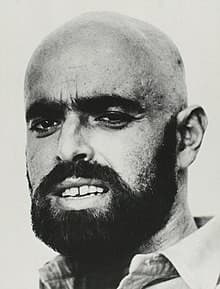
Shel Silverstein (1981)
Genre
Children's / Young Adult
Reading Time
120 min
Key Themes
See below
Sign in to track this book
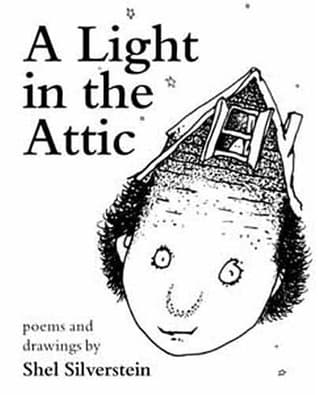
Enter a whimsical attic where 'Whatifs' whisper, and you'll find backward bills, polar bears in fridges, and the delightful absurdity of stolen knees, all told through Shel Silverstein's playful poems and drawings.
The book immediately creates a whimsical mood, inviting readers into a metaphorical 'attic' full of interesting thoughts, characters, and situations. Poems like 'Help' ask for assistance with problems, while 'Whatif' looks at a child's worries and imaginary fears about bad things happening, from failing tests to growing green hair. Silverstein uses simple, direct language and often absurd situations to pull the reader into a world where everyday things become extraordinary. This sets the playful and imaginative tone of the collection from the start. The illustrations with these first poems further show the quirky and often funny view that defines the book.
Throughout the book, Silverstein introduces memorable characters, each with a unique quirk or problem. 'Backward Bill' is a boy who does everything in reverse, like putting his pants on his head. 'Sour Face Ann' is always grumpy, and 'The Meehoo with an Exactlywatt' shows a creature with a name that is hard to say, pointing out how silly language can be. There is also 'The Polar Bear in the Frigidaire,' a literal and funny misplacement, and 'Broiled Face,' a boy whose face gets cooked from watching too much TV. These characters are central to individual poems, exploring their specific oddities and often leading to funny or thought-provoking results, making them easy to remember.
Silverstein often takes ordinary objects or daily events and adds fantastical elements, creating new, often absurd problems. For example, 'Somebody Stole Your Knees' imagines literally losing body parts, leading to funny difficulty moving. 'They Put a Brassiere on the Camel' shows an unexpected and humorous change to an animal. Even simple food items like a 'Boa Constrictor' eating a whole pig or a 'Messy Room' becoming a literal obstacle course are explored. These poems encourage readers to look at their surroundings with a fresh, imaginative view, finding humor and wonder in how ordinary things become extraordinary, often with a touch of the surreal.
A large part of the book explores how flexible language is. Poems like 'The Meehoo with an Exactlywatt' play with made-up words and how hard they are to pronounce. 'Melinda Mae' tells the story of a girl who eats a whale, showing exaggeration and alliteration. 'Listen to the Mustn'ts' uses repetition and contrasting ideas to share a message about overcoming negativity. Silverstein often uses rhyme, rhythm, and clever phrases to create funny and memorable verses. This playful way with language not only entertains but also subtly helps young readers appreciate the power and fun of words themselves, making them active players in the language games.
Silverstein often uses his poems to gently make fun of human behavior and common social interactions. 'The Little Boy and the Old Man' explores how different generations can misunderstand each other. 'The Search' shows a pointless hunt for something lost, highlighting human persistence and occasional foolishness. Poems about greed, vanity, or stubbornness, even through fantasy, subtly reflect real human traits. The humor in these poems often comes from making these behaviors extremely absurd. This makes readers laugh at the characters' problems while perhaps seeing a bit of truth about themselves or others. This observational humor is a main part of the book's appeal.
The core of 'A Light in the Attic' is its endless imagination, showing situations that could only exist in a dream or a child's mind. 'A Mountain Snores' gives nature a whimsical personality. 'The Quick-Digesting Gink' introduces a fantastical creature with an unfortunate habit. 'The Bridge' describes a literal bridge of human hands. These poems take readers to a world where anything is possible, from trees growing popcorn to children flying. This imaginative freedom encourages creativity and wonder, showing that poetry can open doors to the most outlandish and delightful ideas, without limits from the real world.
While mostly humorous, some poems subtly touch on consequences. 'The Homework Machine' explores the dangers of relying too much on technology. 'Lazy Jane' shows what happens with extreme laziness. 'The Goo-Goo' warns against being too trusting. These are not heavy moral tales, but rather light explorations of cause and effect, often with a funny twist. The lessons are usually implied, letting readers draw their own conclusions from the fantastical situations. This adds a layer of gentle thought to the overall lighthearted tone of the collection, without ever feeling preachy.
While the book is known for its humor, Silverstein sometimes includes quiet moments of reflection and tenderness. Poems like 'Hug O' War' support kindness and connection. 'The Little Blue Engine' offers a twist on a classic tale, emphasizing resilience. These poems provide a gentle contrast to the louder and more absurd pieces, showing Silverstein's range. They often have a subtle emotional depth, inviting readers to pause and consider universal feelings of empathy, longing, or comfort. This reminds us that even in an attic full of silliness, there is room for heartfelt sentiment and thoughtful contemplation, making the experience richer.
Silverstein often uses his poems to encourage readers to look at things differently. 'Picture Puzzle' plays with optical illusions and how we see things. 'The Search' highlights how something can be right in front of you but unseen. 'The Voice' explores inner thoughts and how we see ourselves. These poems subtly ask readers to think differently, question assumptions, and appreciate that there can be many ways to understand a situation or see the world. This theme encourages critical thinking and creativity, making the reader an active part in understanding the nuances of each poem's message, often leading to a delightful 'aha!' moment.
The book ends, like it began, with an open invitation to keep imagining. The poem 'A Light in the Attic' suggests a hidden space of creativity and dreams inside oneself, waiting to be explored. Other closing poems often reinforce wonder, the beauty of simple things, or the ongoing journey of life and thought. The final feeling is one of endless possibility and the joy of playful exploration. Silverstein leaves readers feeling that the 'attic' of their own minds is full of similar wonders, encouraging them to keep dreaming, questioning, and finding the extraordinary in the everyday long after the last page.
The Supporting
His character remains static, serving as an example of whimsical absurdity rather than undergoing development.
The Supporting
Ann's character is static, serving to illustrate the theme of unchanging disposition.
The Supporting
This character serves purely as a literary device for wordplay and does not have a character arc.
The Supporting
The polar bear is a static, symbolic character representing humorous absurdity.
The Supporting
His character is a static representation of a cautionary tale, without personal growth.
The Supporting
Melinda Mae's arc is her ongoing, singular pursuit of eating the whale, a static symbol of determination.
The Supporting
He experiences a shift from absolute disbelief to a nuanced understanding of belief and magic.
The Supporting
His character remains a static inventor whose creation highlights a humorous moral.
The Protagonist
This collective 'speaker' undergoes a journey of imaginative exploration, from curiosity to wonder.
The main theme, present in almost every poem, is the power of imagination. Silverstein changes ordinary objects (a refrigerator) into fantastic situations (holding a polar bear) and everyday worries ('Whatif') into whimsical explorations of fear. The book encourages readers to see the extraordinary in the ordinary, to question reality, and to enjoy the absurd. This theme is clear in poems like 'A Light in the Attic,' which metaphorically represents the creative space in one's mind, and 'The Little Blue Engine,' which, in Silverstein's version, finds wonder in the impossible.
“There's a light on in the attic. / Though the house is dark and still... / There's a light on in the attic. / I can see it from the hill.”
Many poems show the funny illogicality of human actions and the world around us. Characters like 'Backward Bill' or 'Sour Face Ann' exaggerate human quirks to be absurd, creating humor from not following norms. The situations, such as 'Somebody Stole Your Knees' or 'They Put a Brassiere on the Camel,' are meant to be completely nonsensical yet relatable in their underlying comments on human problems, worries, or attempts to control what cannot be controlled. This theme encourages a lighthearted, often satirical, view of life's strange moments.
“What if green hair grows on my chest? / What if nobody likes me? / What if a bolt of lightning strikes me?”
Silverstein consistently plays with language, showing its flexibility, humor, and occasional problems. Poems like 'The Meehoo with an Exactlywatt' or 'Melinda Mae' enjoy alliteration, made-up words, and the sound of language itself. He uses puns, unexpected rhymes, and clever phrases to create comedy and to show how words can shape what we see. This theme not only entertains but also subtly teaches readers about the details and creative possibilities of the English language, making them more aware of its structure and sound.
“I will not play at tug-o'-war. / I'd rather play at hug-o'-war, / Where everyone hugs / Instead of tugs...”
While often funny, the collection also touches on common childhood worries, though in a whimsical way. The poem 'Whatif' directly lists many fears, from failing school to social rejection and physical harm, reflecting a child's inner thoughts. Even poems like 'The Quick-Digesting Gink' connect to basic fears of being eaten or disappearing. Silverstein acknowledges these feelings by presenting them imaginatively and safely, letting children face and laugh at their worries.
“Last night while I lay thinking here / Some Whatifs crawled inside my ear / And pranced and partied all night long / And sang their same old Whatif song.”
Many characters and situations celebrate or explore what it means to be different. 'Backward Bill' shows someone who purposely goes against the usual way, while 'Sour Face Ann' highlights a stubborn personal attitude. The book often implies that it is fine, even wonderful, to be unique or to see the world in an unusual way. This theme encourages self-acceptance and challenges the pressure to fit in, suggesting that true joy and creativity often come from embracing one's own peculiar 'light in the attic.'
“If you are a dreamer, come in, / If you are a dreamer, a wisher, a liar, / A hope-er, a pray-er, a magic bean buyer...”
Used to create comedic effect and illustrate absurd scenarios.
Silverstein frequently employs hyperbole to stretch reality to its breaking point, generating humor and vivid imagery. For example, 'Melinda Mae' attempts to eat an entire whale, and 'Broiled Face' literally cooks his face from watching too much TV. This device transforms ordinary situations into fantastical ones, making the poems memorable and engaging. It allows for a playful exploration of consequences and possibilities without being constrained by realism, emphasizing the imaginative nature of the collection.
Giving human qualities to inanimate objects or abstract concepts.
Many poems bring non-human elements to life, adding charm and relatability. 'A Mountain Snores' imbues a geological feature with a human bodily function, while 'Whatifs' are personified as creatures crawling and partying inside a child's ear. This device makes abstract ideas more concrete and inanimate objects more engaging, fostering a sense of wonder and allowing for imaginative scenarios where the world itself seems to be alive and participating in the narrative.
Clever manipulation of language for humorous or thought-provoking effect.
Silverstein's masterful use of wordplay is a cornerstone of his style. This includes puns, alliteration, invented words, and unexpected twists of common phrases. Poems like 'The Meehoo with an Exactlywatt' are built entirely around linguistic challenges, while others like 'Hug O' War' play with similar-sounding words to create a contrasting message. This device not only adds a layer of intellectual humor but also subtly teaches readers about the flexibility and fun of language, encouraging them to think creatively about words.
Creating comedy through the juxtaposition of logical and illogical elements.
A dominant plot device, absurdist humor is evident throughout the collection. The presence of 'The Polar Bear in the Frigidaire' or the idea of 'Somebody Stole Your Knees' are prime examples. These scenarios are inherently illogical and defy rational explanation, yet they are presented with a straightforward, matter-of-fact tone. This creates a delightful comedic effect by challenging the reader's expectations of reality, prompting laughter and encouraging a playful embrace of the nonsensical.
Making complex ideas accessible and memorable through rhythm and verse.
Silverstein consistently uses straightforward vocabulary and a clear, often predictable AABB or ABCB rhyme scheme. This accessibility makes the poems highly engaging for young readers and ensures that the often-complex or whimsical ideas are easily understood. The rhythmic quality aids memorization and adds to the musicality of the poems, making them enjoyable to read aloud. This stylistic choice ensures that the focus remains on the imaginative content rather than being obscured by overly complex literary structures.
“If you have a dragon in your garage, you'd better make sure it's well-fed and happy, or it might just eat your car.”
— From the poem 'The Dragon in the Garage'
“I have a hole in my pocket. I have a hole in my shirt. I have a hole in my sock. I have a hole in my heart.”
— From the poem 'Hole'
“I will not play at tug o' war. I'd rather play at hug o' war, Where everyone hugs instead of tugs, Where everyone smiles and everyone shrugs, Where no one is last and no one is first, Where everyone wins and no one gets cursed.”
— From the poem 'Hug O' War'
“There's a light on in the attic. Though the house is dark and still... I can see it flashing, blinking, through the window on the hill.”
— From the titular poem 'A Light in the Attic'
“Said the little boy, 'Sometimes I drop my spoon.' Said the old man, 'I understand.'”
— From the poem 'The Little Boy and the Old Man'
“The price of milk is ninety cents. The price of cheese is one dollar ten. The price of bread is seventy-five cents. The price of a dream is free.”
— From the poem 'Prices'
“If you are a dreamer, come in. If you are a dreamer, a wisher, a liar, A hope-er, a pray-er, a magic bean buyer... If you're a pretender, come sit by my fire, For we have some flax-golden tales to spin. Come in! Come in!”
— From the poem 'Invitation'
“Backward run, backward run, till you come to where you were.”
— From the poem 'Backward Bill'
“I cannot go to school today. Said little Peggy Ann McKay. I have the measles and the mumps, A gash, a rash and purple bumps.”
— From the poem 'Sick'
“There's a boy in the girl's bathroom, and a girl in the boy's bathroom. And I wonder, I wonder, I wonder why.”
— From the poem 'The Boy in the Girl's Bathroom'
“It's a shame that the world is so full of people who are trying to get ahead by pushing other people down.”
— From the poem 'Pushing'
“I ate a pickle. I ate a plum. I ate a pear. I ate a drum.”
— From the poem 'I Ate a Pickle'
“Listen to the mustn'ts, child. Listen to the don'ts. Listen to the shouldn'ts, the impossibles, the won'ts. Listen to the never haves, then listen close to me... Anything can happen, child. Anything can be.”
— From the poem 'Listen to the Mustn'ts'
Ready to see how well you understood this book? Take our interactive quiz with 10 questions.
Biography coming soon.
Dan Gemeinhart
4.5
Kate O'Hearn
4.4

Jeanne Birdsall
4.4

Jen Wang
4.4
Wendelin Van Draanen
4.3

John Marsden
4.3

Chris Van Allsburg
4.3
Jennifer A. Nielsen
4.2