“Life is a hard, grim thing, but it has its compensations.”
— Abbie's reflection on the struggles and small joys of pioneering.

Bess Streeter Aldrich (1928)
Genre
Historical Fiction / Young Adult / Romance
Reading Time
300 min
Key Themes
See below
Sign in to track this book
Abbie Deal, a young bride with artistic dreams, finds her true calling in the demanding, yet rewarding, work of pioneering the Nebraska prairie.
In the late 1860s, young Abbie Deal lives a comfortable life in a small Iowa town. She is a bright, imaginative girl who loves music, poetry, and literature. Her biggest dream is to work in music or writing, believing she has a special talent and wants to achieve 'big things.' She often tells her fiancé, Will Deal, about these hopes. He is practical but supports her in his own quiet way. Abbie values her close family, especially her parents, who encourage her love for learning. However, the demands of pioneer life and the expectations for young women of her time begin to challenge her idealistic views for the future, hinting at the sacrifices she will make.
Abbie marries Will Deal, a steady, hardworking young man, despite her remaining romantic ideas of a grander future. Soon after their wedding, Will decides to move west and claim land in the new territory of Nebraska. Abbie, worried about leaving her familiar life and her beloved piano, agrees to go with him. The journey west is hard, with primitive conditions, long days of travel in a covered wagon, and the constant danger of the wild. This move marks the first major sacrifice of Abbie's personal dreams, as the demands of pioneer life immediately begin to overshadow her artistic goals, forcing her to face a difficult new reality.
Upon arriving in Nebraska, Abbie and Will build their first home: a simple sod house. The construction is physically tiring, and Abbie, used to nicer surroundings, struggles with the rough living conditions. Despite the difficulties, she adapts, learning to cook over an open fire, manage a small household, and endure the isolation of the prairie. Children soon arrive, starting with Frank, then Victor, and later others. Each birth brings both joy and more responsibility, further tying Abbie to the demanding realities of motherhood and homesteading. Her days become a constant cycle of chores, childcare, and making do with little, leaving almost no time for her old interests.
Life on the Nebraska prairie brings a continuous series of challenges for Abbie and her growing family. They face harsh winters with brutal blizzards that threaten their survival, isolating them for weeks. Summers bring scorching droughts that kill crops and dust storms that cover everything. Illness is a constant worry, with little access to doctors, and Abbie often acts as nurse for her children. The struggle for basic survival is constant, requiring great resilience and cleverness. Despite these difficulties, Abbie maintains a quiet strength, using an inner fortitude she did not know she had, always putting her family's well-being before her own comfort or wishes.
Despite the many difficulties, Abbie finds moments of joy and simple pleasures that keep her spirits up. She enjoys her children's laughter, their personalities, and their small achievements. The beauty of the prairie, from the vast starry nights to the wildflowers, sometimes breaks through her routine. She treasures letters from her family in Iowa, which connect her to her past. Evenings spent singing hymns with Will and the children, or reading aloud from a favorite book, become important traditions. These small moments of happiness show Abbie's lasting hope and her ability to find beauty and meaning in her challenging life.
As the years pass, Abbie and Will's family grows to include nine children. The children, raised in the sod house, learn the values of hard work and self-reliance from their parents. Slowly, other settlers arrive, and a small community begins to form around the Deal homestead. Neighbors share resources, help each other during hard times, and gather for social events, providing much-needed company. Abbie, though reserved, plays a quiet but important role in the growing community, offering help and comfort when needed. The increasing population brings the promise of schools, churches, and a more established society, a sharp contrast to their initial isolation.
Abbie watches her children grow from babies to strong, capable young adults. Each child develops a distinct personality and set of goals. Frank, the oldest, shows his father's practicality and work ethic, becoming a successful farmer. Victor, more artistic, eventually leaves the farm for education and a professional career. The girls, like Margaret and Clara, become wives and mothers, contributing to the growing community. Abbie teaches them a love for learning and strong morals, even though her own educational dreams were mostly unfulfilled. She is very proud of their achievements and their contributions to the developing state, seeing her part in their successes.
Life on the prairie, while offering joyful moments, also brings deep sorrow. Abbie suffers the heartbreaking loss of several children to illnesses and accidents, a common tragedy in pioneer times. Each loss leaves a lasting mark on her, testing her faith and resilience. Later, she also faces the great grief of losing her husband, Will, who dies after years of hard work. Despite these devastating events, Abbie's spirit remains strong. She finds strength in her surviving children, her grandchildren, and her steady belief in the future. Her quiet endurance shows the human ability to persevere through immense pain.
As Abbie ages, she sees a remarkable change in the Nebraska landscape. The sod house is eventually replaced by a larger frame house. Roads are built, towns grow, and railroads connect isolated communities. Schools and churches become established. The wild prairie, once a challenging wilderness, slowly gives way to cultivated fields and organized settlements. Abbie reflects on the great progress she has seen, from the 'feeble beginnings of a raw state' to a thriving civilization. She feels quiet pride knowing that her family and her own tireless efforts played a key role in this development, embodying the spirit of the pioneers.
In her later years, Abbie lives a full life, surrounded by her many children and grandchildren. Her children have become successful, respected members of their communities, a result of the foundation she and Will built. She enjoys watching her grandchildren play, sharing stories of the early days, and offering her quiet wisdom. Though her youthful dreams of artistic greatness were never realized as she imagined, she comes to understand that her life's work — raising a family, building a home, and helping a state grow — was a different, perhaps grander, kind of greatness. She finds deep contentment in her legacy of love, resilience, and family, a 'lantern in her hand' guiding generations.
The Protagonist
Abbie's arc is one of profound self-sacrifice and redefinition of success. She starts with grand artistic ambitions but ultimately finds her 'greatness' in building a family and contributing to the development of a state, becoming a symbol of pioneer endurance.
The Supporting
Will remains a constant, reliable force, embodying the steadfast spirit of the pioneer husband and father who builds a foundation for his family.
The Supporting
Frank grows from a responsible child into a successful and respected farmer, embodying the fruits of his parents' pioneer labor.
The Supporting
Victor fulfills some of Abbie's intellectual aspirations, successfully pursuing education and a career, demonstrating the progress and opportunities brought by pioneer efforts.
The Supporting
Margaret grows up to establish her own family, continuing the cycle of home-building and community development on the prairie.
The Supporting
Clara matures into a woman who contributes to the family and the burgeoning community, embodying the enduring spirit of the next generation.
The Mentioned
Their role is primarily static, serving as a foundational influence and a touchstone to Abbie's origins.
The main theme is Abbie's journey from youthful artistic dreams to a life of hard pioneer work. She gives up her hopes of musical and literary fame for the demands of marriage, motherhood, and homesteading. However, the novel suggests her 'greatness' is not lessened but redefined: it is in her steady resilience, her ability to raise a family through great hardship, and her part in building a new state. This is clear in her quiet pride in her children's success and her thought that she was 'part of the epic' without realizing it.
“But it's funny...I was always too busy filling up the youngsters and getting patches on the overalls to notice that I was part of the epic.”
Abbie shows the strength, resilience, and quiet determination of the pioneer woman. She faces blizzards, droughts, illness, isolation, and the loss of children with remarkable courage, never giving in to despair. Her ability to adapt to basic conditions, manage a large household with few resources, and maintain hope against great odds highlights the incredible inner strength needed to settle the American frontier. Her story celebrates the often unrecognized heroines who built homes and communities through unimaginable challenges.
“She had given up her dreams, perhaps, but she had gained a life, rich and full, in a way she could never have imagined.”
The novel carefully shows the passage of time and the big changes Abbie witnesses, from the wildness of early Nebraska to a thriving, settled state. It explores the cycle of generations, as Abbie's children grow up, create their own lives, and add to the progress she started. The change from a sod house to a frame house, the founding of schools and towns, and the success of her descendants all show the theme of progress and the lasting impact of those who laid the groundwork. Abbie's life reflects America's westward expansion.
“I've seen the feeble beginnings of a raw state and the civilization that developed there, and I've been part of the beginning and part of the growth.”
Despite her early desire for individual achievement, Abbie ultimately finds her deepest fulfillment and purpose in her family and the home she creates. The family unit, first in the sod house and then in the frame house, serves as a safe place and the center of her life. Her constant efforts are aimed at raising her children and keeping a loving, stable home amid the harsh outside world. The novel emphasizes that the greatest treasure Abbie builds is not a career, but a strong, lasting family that continues her legacy.
“Her home was her kingdom, her children her crown.”
Abbie's memories of her youth and past dreams.
Throughout the narrative, Abbie often reflects on her younger days in Iowa, her love for music and poetry, and her aspirations for a grander life. These moments of reminiscence serve as a poignant contrast to her current harsh realities as a pioneer. They highlight the sacrifices she has made and allow the reader to understand the depth of her inner life and the dreams she quietly carries, even as she fulfills her duties. This device enriches her character by revealing her layered emotional landscape.
Represents hope, guidance, and Abbie's inner light.
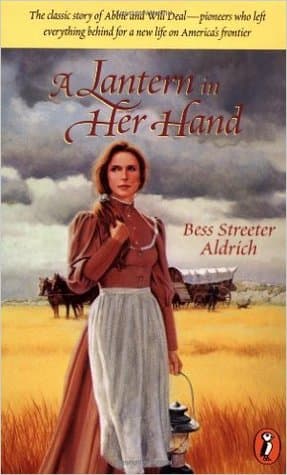
The 'lantern in her hand' (from the title) symbolizes Abbie's enduring hope, her role as a guide for her family, and her quiet inner strength. It represents the light she brings to her home and community, even in the darkest times of hardship and despair. It also metaphorically stands for the spark of her youthful dreams, which, though transformed, continues to illuminate her path and the lives of her descendants, guiding them towards a brighter future on the prairie.
Symbolizes the harsh beginnings and resilience of pioneer life.
The sod house is a central symbolic element, representing the primitive, challenging, yet ultimately foundational nature of pioneer life. It is both a shelter and a testament to the family's resourcefulness and determination. Its eventual replacement by a frame house symbolizes progress, the taming of the wilderness, and the establishment of a more permanent civilization. The sod house serves as a constant reminder of how far Abbie and her family have come and the immense labor required to build a life from scratch.
Reflect the relentless challenges and rhythms of pioneer existence.
The narrative frequently references the changing seasons – the brutal blizzards of winter, the scorching droughts of summer, the promise of spring, and the harvest of autumn. These seasonal cycles are more than just background; they dictate the rhythm of pioneer life, presenting constant challenges and opportunities. They underscore the relentless struggle against nature and the cyclical nature of hardship and renewal, emphasizing the enduring resilience required of Abbie and her family to survive and thrive on the prairie.
“Life is a hard, grim thing, but it has its compensations.”
— Abbie's reflection on the struggles and small joys of pioneering.
“A woman's place is where she can do the most good.”
— Abbie considering her role and responsibilities in the new land.
“There was a loneliness in her heart that the wide prairie seemed to intensify.”
— Abbie's initial feelings of isolation upon moving to Nebraska.
“The greatest thing in life is not to be loved, but to love.”
— Abbie's mature understanding of love and sacrifice within her family.
“It was a life of ceaseless toil, but it was also a life of freedom.”
— Describing the dual nature of homesteading in the West.
“The prairie had claimed her, body and soul, but it had also given her strength.”
— Abbie's ultimate connection and transformation by the land.
“You can't live without hope, not really.”
— Abbie's enduring belief in the future despite setbacks.
“Every generation has its own battles to fight, and its own songs to sing.”
— Abbie reflecting on the changing times and the experiences of her children and grandchildren.
“A home is not just a house; it's the people in it, and the memories they make.”
— Abbie's definition of 'home' after years of building a family and community.
“The wind was her lullaby, and the stars her nightlight.”
— Poetic description of Abbie's close relationship with the natural elements of the prairie.
“Sometimes the greatest courage is just to keep going.”
— Abbie's quiet resilience in the face of continuous challenges and losses.
“She had built her life with her own hands, brick by brick, dream by dream.”
— A summary of Abbie's lifelong efforts and accomplishments in establishing her home and family.
“The years flowed like a river, carrying away sorrow and bringing new joys.”
— Abbie's perspective on the passage of time and the cyclical nature of life.
“A lantern in her hand, she had lit the way for others.”
— The metaphorical significance of Abbie's life as a guide and inspiration for her descendants.
Ready to see how well you understood this book? Take our interactive quiz with 10 questions.
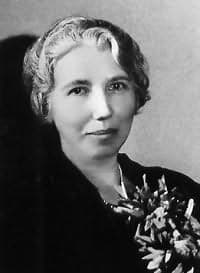
Bess Streeter Aldrich was a celebrated American author known for her realistic portrayals of pioneer life in the Midwest. Her most enduring work, "A Lantern in Her Hand," published in 1928, resonated with readers for its depiction of a woman's strength and resilience through hardship. Aldrich's novels often explored themes of family, community, and the challenges of frontier existence.







