“I think there must be something wrong with me, Linus. Christmas is coming, but I'm not happy. I don't feel the way I'm supposed to feel.”
— Charlie Brown confiding in Linus about his Christmas blues.

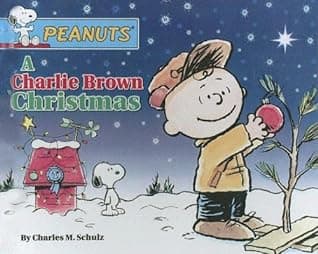
Charles M. Schulz (1967)
Genre
Children's / Young Adult
Reading Time
5 min
Key Themes
See below
Sign in to track this book
Charlie Brown struggles with the commercialism of Christmas until Linus reminds him of the holiday's true meaning.
The story begins with Charlie Brown feeling sad, even though Christmas is near. He tells Linus he cannot feel happy. He notices the widespread commercialism: Snoopy decorates his doghouse excessively to win a contest, and Sally asks Santa for lots of money and specific gifts. Charlie Brown feels the true meaning of Christmas is lost in all the materialism, making him feel alone and confused about the holiday spirit everyone else seems to enjoy.
Hoping to cheer him up, Lucy suggests Charlie Brown direct the school's Christmas play. She says being involved in a Christmas activity will help him understand the holiday's true meaning. Despite his doubts about managing the lively Peanuts gang, Charlie Brown agrees. He sees it as a chance to find the Christmas spirit he wants, though he worries about the challenges with such a varied and often uncooperative cast.
Charlie Brown's first attempt at directing is immediately chaotic. During the first rehearsal, the children care more about dancing to jazz and doing their own things than following his instructions. Violet, Patty, and the others do not take the play seriously, mocking his leadership. Lucy, always bossy, takes over casting, making herself the Christmas Queen and Peppermint Patty her assistant. Charlie Brown feels his authority slipping and the play getting out of control, deepening his holiday sadness.
Amidst the play's disorder, Snoopy continues his pursuit of commercial gain. He carefully decorates his doghouse with many lights and ornaments, aiming to win the neighborhood Christmas lights contest and its prize money. He even practices ice skating routines for a holiday show. This clear display of materialism from his own dog further annoys Charlie Brown, who sees Snoopy's actions as another example of how far people have strayed from Christmas's spiritual core. Snoopy's antics contrast sharply with Charlie Brown's sincere search for understanding.
Frustrated by the play's lack of progress and the cast's indifference, Lucy gives Charlie Brown a new task: find a large, shiny aluminum Christmas tree for the play. He wants a real, traditional tree, but Lucy dismisses his idea, insisting on a modern, artificial one. With Linus, Charlie Brown goes to the Christmas tree lot, still hoping this simple act might connect him to the season's true spirit. He feels the weight of everyone's expectations, especially Lucy's, as he begins this search.
At the tree lot, Linus points out many artificial, brightly colored aluminum trees. However, Charlie Brown is drawn to a small, thin, real fir tree standing alone among the flashy artificial options. He feels a deep connection to its humble look, seeing in it a reflection of his own feelings of not being good enough and being overlooked. Despite Linus's doubts and the expectation to choose something grander, Charlie Brown decides to take this little tree, believing it needs a home and represents a more genuine Christmas spirit than the commercial options.
Charlie Brown proudly brings his small, humble Christmas tree back to the rehearsal hall, expecting a good reaction. Instead, the entire cast laughs at him. Lucy, Violet, and the others mock the tree, calling it a 'disgrace' and a 'poor excuse for a Christmas tree.' They dismiss his choice as foolish and unfit for their play, preferring a flashy, artificial tree. Feeling completely defeated and misunderstood, Charlie Brown's last hope of finding meaning through the play is crushed by their harsh criticism, deepening his Christmas sadness.
Completely disheartened by the children's reaction to his tree, Charlie Brown cries out, asking if anyone truly knows what Christmas is about. Linus steps forward, takes center stage, and asks for silence. He then recites the biblical passage from the Gospel of Luke (Chapter 2, Verses 8-14), describing the Annunciation to the shepherds and the birth of Jesus Christ. As Linus speaks, the chaotic rehearsal hall becomes quiet and respectful. The true, spiritual meaning of Christmas is clearly conveyed to Charlie Brown and the other children.
After Linus finishes his moving recitation, Charlie Brown feels much better. He realizes that Christmas is not about commercialism, material things, or perfect trees, but about faith, hope, and the birth of Jesus. Inspired, he decides to take his little tree home, determined to make it beautiful. He believes that with care and love, the humble tree can embody the spirit of Christmas just as deeply as any grander, more decorated one. This realization marks a shift in his understanding of the holiday.
Charlie Brown takes his little tree home, planning to decorate it himself. He places a single red ornament on one branch, but the branch sags, making the tree look even sadder. Feeling discouraged again, he walks away. However, the other children, moved by Linus's words and seeing Charlie Brown's honest effort, decide to help. They take blankets from Snoopy's doghouse to support the tree and then decorate it with their own ornaments. When Charlie Brown returns, he finds his once-scrawny tree transformed into a beautifully decorated, bright symbol of Christmas, filled with light and love.
Seeing his little tree transformed by his friends' collective efforts, Charlie Brown feels immense joy and peace. The tree, once a symbol of his sadness, now shines with beauty and the true spirit of Christmas. The children gather around it, singing 'Hark! The Herald Angels Sing,' their voices filling the air with harmony. Charlie Brown, for the first time in the story, feels truly happy and understands that Christmas is not about commercialism or perfection, but about love, friendship, and the simple, profound message of hope. He finally exclaims, 'Merry Christmas, Charlie Brown!'
The Protagonist
Charlie Brown begins the story feeling depressed and disillusioned by Christmas but ultimately finds joy and understanding in its true, simple meaning.
The Supporting
Linus remains a steadfast source of wisdom, culminating in his pivotal recitation of the Christmas story.
The Supporting
Lucy is initially focused on the superficial but is eventually swayed by Linus's message and helps Charlie Brown.
The Supporting
Snoopy remains largely focused on his own materialistic pursuits but implicitly contributes to the story's resolution through his doghouse blankets.
The Supporting
Sally's character remains consistent in her focus on gifts, serving as an example of commercialism.
The Supporting
Schroeder's character remains consistent in his devotion to music, eventually playing for the transformed tree.
The Supporting
They initially mock Charlie Brown but eventually join in the collective effort to decorate the tree.
This theme is key to Charlie Brown's initial sadness. He sees Christmas as ruined by materialism, shown by Snoopy wanting a prize for his decorated doghouse, Sally's long gift list, and the children's demand for a flashy, artificial tree for the play. This focus on buying and outward show overshadows the holiday's spiritual meaning, making Charlie Brown feel alone and unable to find joy. His struggle highlights the conflict between societal expectations of holiday cheer and the deeper, often ignored, meaning.
“''I think there must be something wrong with me, Linus. Christmas is coming, but I'm not happy. I don't feel the way I'm supposed to feel.''”
This theme is the story's main message. Charlie Brown searches for the real Christmas spirit beyond its commercial surface. Linus's reading of the Nativity story from the Gospel of Luke is the crucial moment, reminding everyone that Christmas is about the birth of Jesus Christ, faith, and hope, not presents or decorations. The story argues that the true meaning lies in humility, love, and spiritual thought, rather than grand displays or material things, ultimately bringing Charlie Brown peace.
“''That's what Christmas is all about, Charlie Brown.''”
This theme appears in Charlie Brown's choice of the small, thin Christmas tree. While the other children want a large, artificial, and commercially perfect tree, Charlie Brown is drawn to the humble, overlooked fir. This 'underdog' tree mirrors his own feelings of not being good enough but also shows the overlooked beauty in simplicity and authenticity. Its transformation, through the children's combined effort, from a mocked object to a symbol of joy and love, confirms that true value often lies in the unpretentious and genuine, rather than the grand.
“''I guess I really don't know what a Christmas tree looks like. All I can see are these big, shiny, artificial ones... and then there's this little one...''”
While Charlie Brown initially feels alone in his sadness, the story's ending stresses the importance of community and friendship. The children, at first self-centered and critical, eventually help Charlie Brown. Moved by Linus's message and seeing Charlie Brown's true heartache, they unite to transform his little tree. This shared act of kindness, empathy, and common purpose brings true joy to Charlie Brown and symbolizes Christmas's communal spirit. It shows that even with conflict, friendship can lead to understanding and happiness.
“''Merry Christmas, Charlie Brown!''”
The Christmas tree represents Charlie Brown's emotional state and the true spirit of Christmas.
The Christmas tree serves as a powerful symbol throughout the story. Initially, the children's desire for a 'big, shiny aluminum' tree symbolizes the commercial and superficial aspects of Christmas that distress Charlie Brown. His selection of the small, scrawny fir tree reflects his own feelings of inadequacy and his search for authenticity. When the children mock it, it mirrors his despair. Its eventual transformation into a beautiful, decorated tree by the collective effort of his friends symbolizes the triumph of humility, love, and the true spirit of Christmas over materialism, and Charlie Brown's own emotional transformation.
A direct biblical quote that provides the moral and thematic resolution.
Linus's recitation of the Nativity story from the Gospel of Luke is the central anagnorisis (moment of recognition) in the plot. It functions as a direct, undeniable statement of the true meaning of Christmas, cutting through all the commercialism and confusion. This device provides a clear moral compass for the characters and the audience, instantly shifting the tone of the narrative from despair to hope and understanding. It's a didactic moment that directly addresses the story's core question and sets the stage for the resolution.
The juxtaposition of materialistic and spiritual aspects of Christmas.
The story heavily relies on contrast to highlight its central theme. We see the stark difference between Snoopy's elaborate doghouse decorations aimed at winning a contest, Sally's materialistic Santa list, and the children's desire for a flashy artificial tree, versus Charlie Brown's yearning for a deeper, intangible meaning. This contrast is most explicit in the choice between the artificial trees and the single, humble fir tree. This device effectively underscores the conflict within Charlie Brown and the broader message about the holiday's true essence.
“I think there must be something wrong with me, Linus. Christmas is coming, but I'm not happy. I don't feel the way I'm supposed to feel.”
— Charlie Brown confiding in Linus about his Christmas blues.
“Rats. Nobody cares.”
— Charlie Brown's reaction after the kids laugh at his small Christmas tree.
“All I want is what I have coming to me. All I want is my fair share.”
— Sally Brown complaining about not getting enough from Santa Claus.
“Of course, I am, Charlie Brown. I'm a good man.”
— Snoopy's response when Charlie Brown asks if he's worried about the true meaning of Christmas.
“Are you going to let all that material stuff ruin your Christmas? Don't you know anything about Christmas?”
— Lucy Van Pelt scolding Charlie Brown for being materialistic.
“That's what Christmas is all about, Charlie Brown.”
— Linus's famous line after reciting the biblical passage.
“I never thought it was such a bad little tree. It's not bad at all, really. Maybe it just needs a little love.”
— Linus defending Charlie Brown's small Christmas tree.
“We all know that Christmas is a big commercial racket. It's run by a big eastern syndicate, you know.”
— Lucy Van Pelt expressing her cynical view of Christmas.
“I've been looking for a Christmas tree. I went to the lot, and all the trees were artificial. And, frankly, I don't like artificial trees.”
— Charlie Brown explaining his difficulty finding a tree.
“Isn't there anyone who knows what Christmas is all about?!”
— Charlie Brown's exasperated plea to the other children.
“And there were in the same country shepherds abiding in the field, keeping watch over their flock by night.”
— Linus beginning his recitation from the Gospel of Luke.
“You're a good man, Charlie Brown.”
— The children's collective affirmation to Charlie Brown at the end.
“Get the biggest aluminum tree you can find, Charlie Brown, maybe paint it pink!”
— Lucy's suggestion for a Christmas tree, highlighting commercial trends.
“All right, Charlie Brown, what do you want for Christmas?”
— Lucy trying to psychoanalyze Charlie Brown about his Christmas worries.
Ready to see how well you understood this book? Take our interactive quiz with 10 questions.
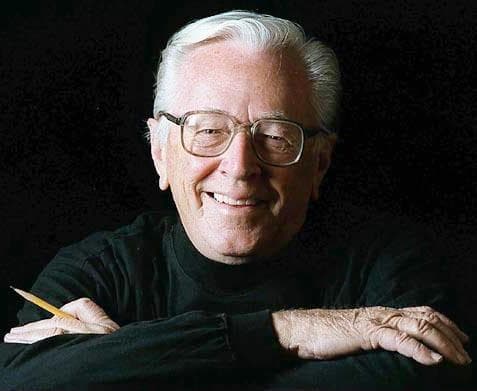
Charles M. Schulz was the visionary creator of the beloved comic strip "Peanuts," which ran for nearly 50 years. His characters, including Charlie Brown and Snoopy, became cultural icons, and his holiday specials like "A Charlie Brown Christmas" are enduring classics. Schulz's simple yet profound storytelling captured the anxieties and joys of childhood, earning him widespread acclaim and a lasting legacy in American popular culture.

Dan Gemeinhart
4.5

Kate O'Hearn
4.4

Jeanne Birdsall
4.4

Jen Wang
4.4

Wendelin Van Draanen
4.3

John Marsden
4.3

Chris Van Allsburg
4.3

Jennifer A. Nielsen
4.2